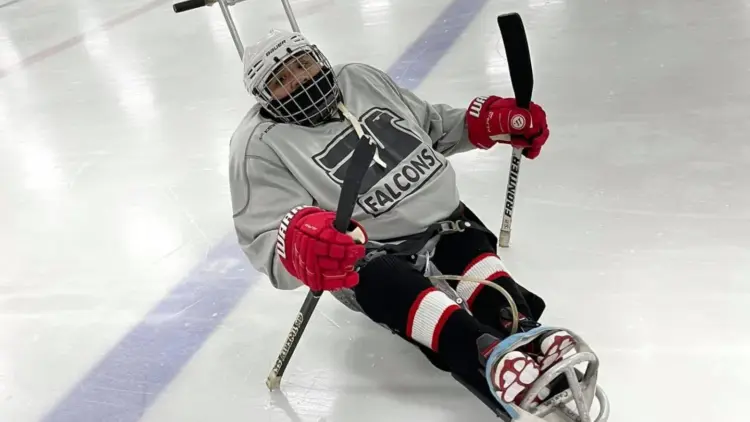
For 32-year-old Illinois resident Carlos Murillo, a wheelchair has never been a symbol of restriction. Born with spina bifida—a congenital condition where the spine and spinal cord do not form properly—Murillo received his first wheelchair at the age of three. Rather than allowing his physical circumstances to dictate his horizons, Murillo has dedicated his 30s to proving that living with a disability can be synonymous with high-octane adventure, relentless personal growth, and boundless exploration.
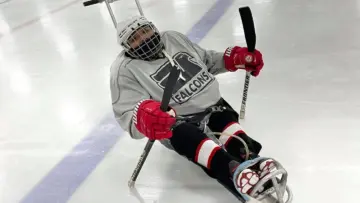
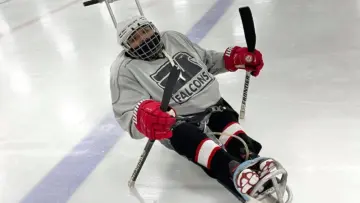
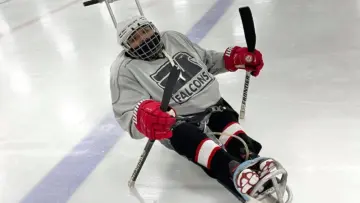
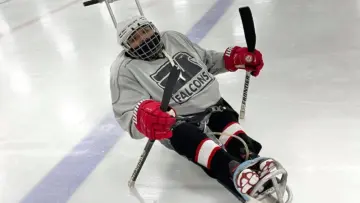
Over the past several years, Murillo has amassed a resume of activities that would challenge even the most seasoned thrill-seekers. His completed endeavors include zip-lining, waterskiing, kayaking, snow skiing, scuba diving, go-kart racing, sled hockey, wheelchair rugby, archery, horseback riding, rock climbing, cycling, and paramotoring. Far from slowing down, Murillo views his growing list of accomplishments as merely the foundation for an even more ambitious future, using his personal journey to demonstrate what is possible through adaptive sports and accessible travel.
Origin Story and Mindset
Murillo’s entry into the world of athletic adventure began nearly two decades ago. His formal introduction to adaptive athletics occurred in 2007 during a holiday gathering hosted by Great Lakes Adaptive Sports Association (GLASA), where he tried wheelchair basketball for the first time. That initial exposure opened the door to a broader world of specialized sports tailored for individuals with physical disabilities, though his personal mission to systematically tackle an extreme adventure bucket list gathered full momentum much more recently.
About two years ago, Murillo realized that his lifelong aspirations needed structure if they were to become reality. While many individuals experience a shift in momentum as they transition out of their 20s, Murillo found that entering his 30s provided a renewed sense of purpose and clarity regarding what he wanted to achieve.
"The bucket list started about two years ago because there were a lot of things I wanted to do," Murillo explained. "I just didn’t know how to go about it, so that’s why I made my bucket list. Adventure means a lot to me, because I’m finding so much more in my 30s than I ever did in my 20s."
When reflecting on the inevitable mental barriers and physical challenges that come with tackling extreme sports as a wheelchair user, Murillo maintains an unyielding perspective that rejects self-doubt. "I don’t have doubts or regrets," he emphasized. "I have lessons!"
Conquering the Realm of Adaptive Sports
The transition from conventional sports to high-adrenaline outdoor activities requires technical adaptations, courage, and a willingness to step into unfamiliar environments. For Murillo, trying new sports has involved partnering with specialized organizations dedicated to making outdoor recreation accessible, including GLASA, H2O Adaptive Sports, Diveheart, Shirley Ryan AbilityLab, and Wisconsin Adaptive Ski.
These programs offer specialized equipment, technical instruction, and safety networks designed to adapt complex movements for athletes with mobility impairments. Whether diving underwater with Diveheart or hitting the slopes with Wisconsin Adaptive Ski, the experience of entering a new adaptive sport offers immediate community and engagement.
"It’s actually really fun when you start interacting with different athletes and trying different sports," Murillo noted regarding his early experiences with these organizations.
Among the wide array of sports he has conquered, certain disciplines provided major surprises. Before researching options online, Murillo assumed that zip-lining was out of reach for a wheelchair user due to the physical demands and harness setups involved. Discovering an adaptive program capable of supporting his needs became one of the most meaningful milestones of his journey.
"Zip-lining surprised me most because I didn’t think there was an adaptive program out there," Murillo recalled, noting that the emotional impact of soaring through the air stayed with him long after the experience ended.
Conversely, sports demanding sustained physical strain presented distinct mental and physical tests. Out of every discipline he has pursued, cycling proved to be the most taxing. Navigating steep inclines using adaptive equipment required extraordinary exertion, presenting a obstacle that pushed his physical endurance to its limits.
"Cycling was hard because going uphill was very challenging," Murillo said. "Pushing a bike uphill is not the greatest."
Despite the physical nuances required for each unique activity—from adjusting balance in a sled hockey rig to navigating water currents during kayaking—Murillo approaches each discipline with a pragmatic mindset. Rather than relying on rigid techniques, he relies on persistence and trial-and-error to master new movements. "I really don’t have any techniques! It just takes a few tries to get the hang of each sport," he said.
Certain activities made an instant impression. Beyond zip-lining, sports such as paramotoring and waterskiing immediately captured his interest, solidifying their place as disciplines he intends to revisit.
The Ultimate Bucket List: Adrenaline and Next Horizons
Murillo’s current bucket list reflects his passion for speed, height, and novel physical experiences. Among the major items he plans to conquer next are NASCAR ride-alongs, supercar driving experiences, adaptive paragliding, helicopter flights, parasailing, adaptive surfing, whitewater rafting, adaptive mountain biking, and skydiving.
When selecting new additions for his roster of challenges, Murillo conducts research online, systematically evaluating what catches his interest and weighing the practical logistics of each activity.
"I look at the pros and cons, and also at what looks more appealing to do," Murillo explained. Once an item is checked off, he replaces it by "searching the web and thinking of new ideas."
The common thread unifying many of his upcoming goals—particularly NASCAR events and adaptive paragliding—is a pursuit of high speeds and thrill. "I love the adrenaline rush they give me," he stated.
While Murillo approaches most high-adrenaline sports with confidence, he remains candid about the varied emotions tied to different environments. He expressed immense excitement for track-based supercar drives and parasailing, while acknowledging a natural degree of apprehension regarding dynamic water environments like adaptive surfing and whitewater rafting.
Sports Fandom and the Stadium Tour
In addition to his active participation in adaptive sports, Murillo is an avid spectator with a passion for live sports. This devotion has evolved into a structured quest to visit athletic venues across the United States and internationally, spanning major league, collegiate, and minor league facilities across baseball, hockey, basketball, rugby, and soccer.
His stadium collection includes venues affiliated with Major League Baseball (MLB), the National Hockey League (NHL), the National Basketball Association (NBA), the National Collegiate Athletic Association (NCAA), the National Women’s Soccer League (NWSL), and minor league baseball teams.
A prominent feature of Murillo’s venue list is his focus on minor league baseball parks, including visits to facilities in Kenosha, Schaumburg, South Bend, Midland, and San Antonio. This preference stems from practical considerations, including affordability and direct communication with team front offices.
"The cost of the games is a big factor," Murillo said. "I also usually email the teams to ask for complimentary tickets."
Navigating stadium accessibility as a wheelchair user often reveals stark contrasts in venue design and guest service. While some older or poorly renovated structures present physical barriers, modern or well-managed facilities offer seamless access. In Murillo’s experience, the Schaumburg Boomers’ home stadium stood out as an exemplary model of sports venue accessibility, offering comfortable seating options and hassle-free navigation.
Given his lifelong love for live sports, Murillo’s venue list remains open-ended. "There are a lot on the list," he remarked. "I couldn’t pick just one."
Navigating Accessible Travel Across Borders
Murillo’s passion for new experiences extends into extensive regional and international travel. His travels have taken him across numerous U.S. states—including California, Texas, Florida, Michigan, Indiana, Minnesota, and Wisconsin—as well as across international borders into Canada and Mexico.
Travel planning as a manual wheelchair user requires significant preparation compared to standard trip planning. For Murillo, ensuring a smooth itinerary involves evaluating accessible lodging, securing dependable transportation, and identifying accessible attractions well before departure.
Through his travels, Murillo has identified clear differences in regional infrastructure. States like Texas and California earned high marks for their broad adherence to accessibility standards and physical infrastructure. On the other hand, destinations with historical architectural elements present unique challenges. In Mexico, for instance, traditional cobblestone streets proved difficult to navigate in a manual wheelchair.
These experiences have shaped Murillo’s perspective on the travel industry, particularly regarding how accessibility information is communicated to the public. He emphasized that travel resources often gloss over real-world barriers, failing to prepare disabled travelers for unexpected structural hurdles.
"What do I wish accessible travel resources told people? That not everything is wheelchair accessible," Murillo stated.
Despite these hurdles, Murillo continues to expand his travel plans. His upcoming schedule includes an ocean cruise featuring stops in Honduras, the Bahamas, and Mexico.
Advocacy, Perception, and Advice for the Future
Through his ongoing achievements, Murillo aims to reshape public perceptions surrounding disability, demonstrating to both able-bodied individuals and fellow wheelchair users that physical limitations do not preclude an adventurous life. He frequently emphasizes that adaptive programs exist across nearly every sporting discipline, but finding them requires proactive effort and persistence.
"I want people to see that they can go out there and try new things," Murillo said. "What I wish more people understood about accessibility in adventure sports is that it is out there; you just have to look for it."
For individuals who are new to using a wheelchair and worry that their active or adventurous days are behind them, Murillo’s message is clear and direct: act decisively, seek out local resources online, and lean on supportive mentors.
"Don’t be afraid to try new things. Just send it," he advised. "Just do it. Be fearless."
Driven by self-determination and supported by dedicated adaptive coaches, Murillo remains focused on his future goals. Refusing to let setbacks dictate his path forward, his mindset remains centered on personal growth, overcoming obstacles, and continuously pursuing the next challenge.
"Giving up is not an option," Murillo said. "A lot of things are possible. You just have to work for them."