As the winter season sets in and holiday breaks approach, educators, parents, and youth development specialists are increasingly turning their attention to a critical yet often overlooked aspect of childhood development: self-regulation. Defined as the ability to effectively manage thoughts, feelings, and behaviors, self-regulation is the foundational skill that empowers children to navigate everyday emotions, maintain focus on tasks, and foster positive social connections year-round. However, experts note that the period surrounding the winter holidays introduces unique disruptions that demand intentional support.
The combination of shifting daily routines, increased indoor confinement, and the inherent stresses of the holiday season frequently leaves children and young adults needing extra emotional and behavioral backing. Changes in structure can disrupt a child’s internal equilibrium, leading to challenges with attention, emotional outbursts, and heightened anxiety. In response, professionals and caregivers are looking toward engaging, accessible strategies designed to help kids practice these vital skills during the chilliest months of the year.
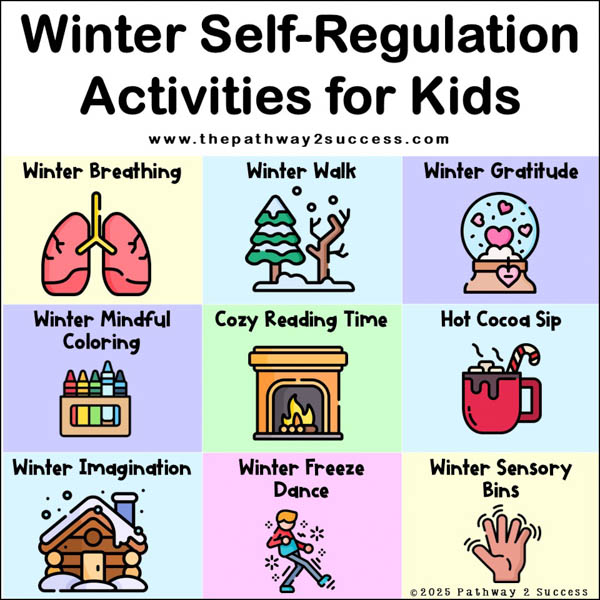
Rather than treating emotional management as a rigid academic chore, advocates emphasize that practicing self-regulation can and should be an enjoyable experience. A comprehensive suite of ten distinct, interactive activities has been highlighted as an effective toolkit for helping children and teens build emotional resilience, ease stress, and find moments of calm amidst the seasonal disruption.
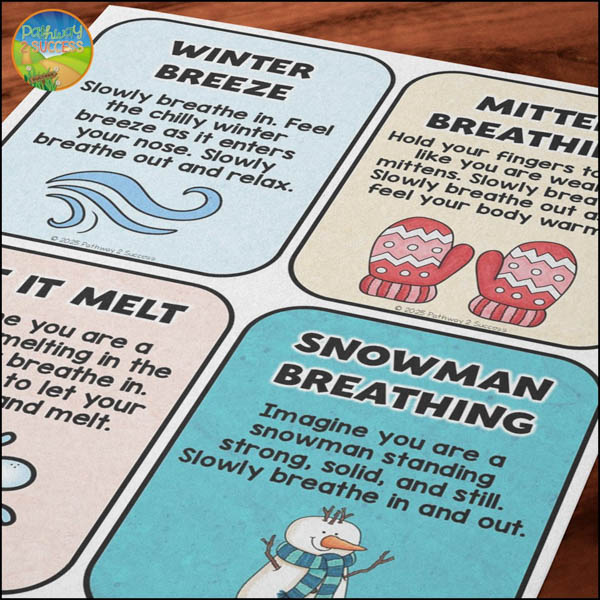
At the core of many emotional management programs are winter-themed breathing exercises. Mindful breathing serves as an essential mechanism to help youth hit the emotional pause button. By focusing intentionally on inhales and exhales rather than immediately reacting to impulses, children learn to activate the parasympathetic nervous system—the biological pathway responsible for true rest, relaxation, and biological calm. Extensive scientific research underscores that incorporating mindful breathing supports sustained attention and creates an overarching sense of equilibrium, offering a reliable strategy that can be deployed anywhere at any time.
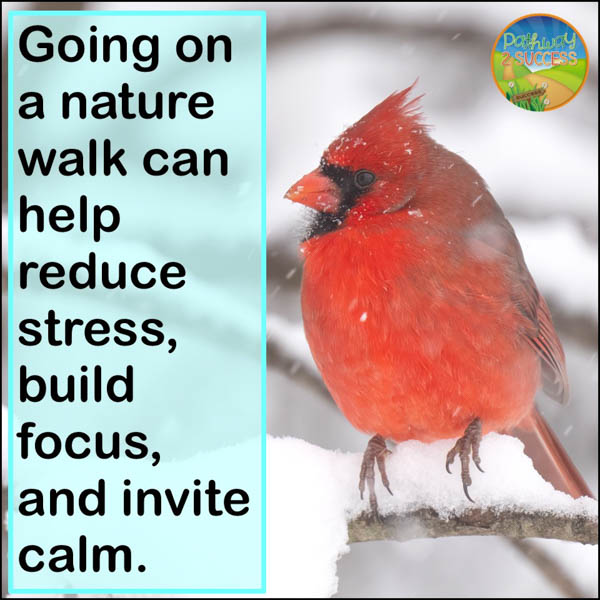
Beyond indoor breathing exercises, stepping outside for an outdoor nature walk provides another evidence-based avenue for emotional regulation. Even in colder weather, guided exploration walks encourage children to engage their senses—noticing what they see, feel, hear, smell, and taste in the immediate moment. For instance, observing a soaring hawk or feeling a crisp winter breeze grounds children in the present. Research consistently demonstrates that spending time in natural environments reduces stress, strengthens attention spans, and improves overall mood, while also encouraging necessary physical activity and exposure to winter daylight. When outdoor excursions are unfeasible, nature-themed brain breaks serve as a viable alternative to achieve similar mental resets.
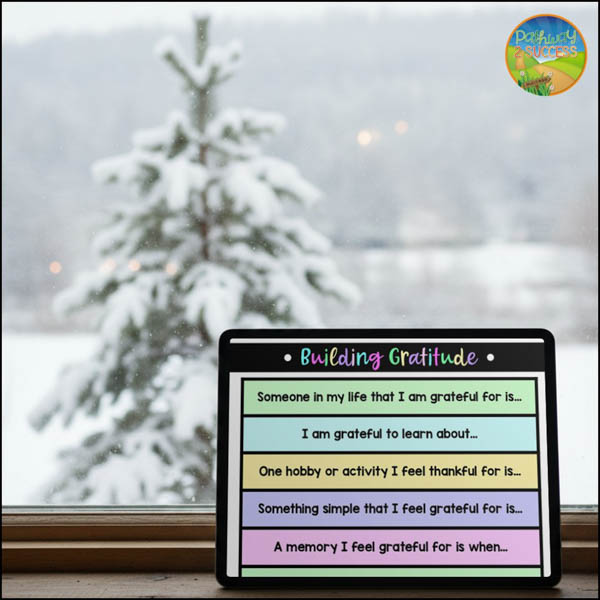
Seasonal reflection also plays a prominent role in cultivating emotional well-being through structured gratitude practices. By taking time to reflect specifically on what they appreciate during the winter months—ranging from hot cocoa and cherished family time to the warmth of winter sunshine—children learn to rewire their cognitive patterns toward positivity. Scientific studies indicate that gratitude correlates with reduced stress, improved mood, enhanced resilience, better sleep quality, and a general boost in psychological well-being. This reflection is frequently paired with journaling or sentence starters to allow students to articulate their thoughts clearly.

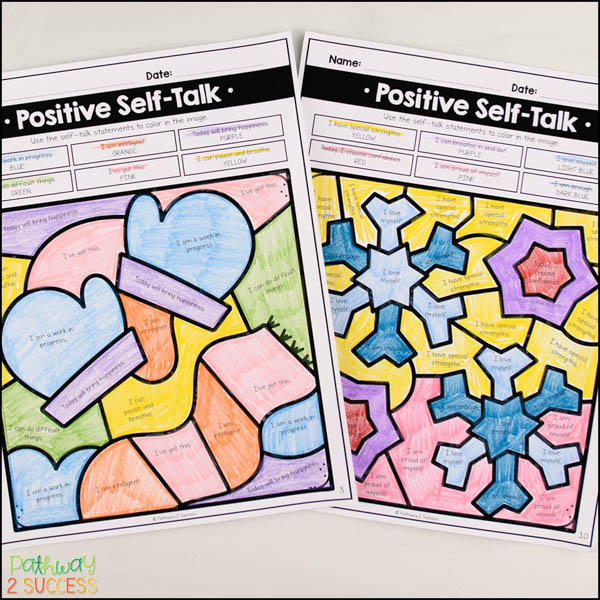
For children who process emotions better through tactile engagement, activities like mindful winter coloring offer a valuable outlet. Unlike traditional meditation that requires complete physical stillness, coloring pages featuring positive self-talk phrases allow for gentle movement while promoting focus and relaxation. The objective is not artistic perfection, but rather a slow, meditative engagement that helps alleviate anxiety and serves as a powerful self-regulation strategy for children who require physical motion.
Similarly, cozy reading time fosters relaxation and emotional connection. Whether through silent independent reading or shared read-aloud sessions, immersing oneself in a good story provides a healthy psychological buffer from daily stressors. Research highlights that reading lowers heart rates, eases muscle tension, enhances empathy, and promotes long-term well-being, while shared reading in a classroom or home setting encourages co-regulation and interpersonal bonding.

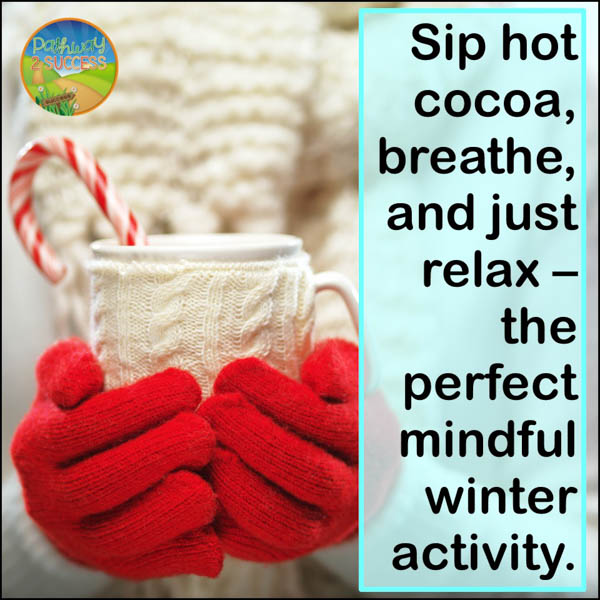
Hands-on tactile experiences are further expanded through winter-themed sensory bins. Containers filled with soft, seasonal materials allow children to engage in sensory exploration that promotes calm, curiosity, and mindfulness, while simultaneously supporting fine motor development and storytelling abilities. This hands-on philosophy extends to mindful food experiences, such as the traditional hot cocoa sip. By holding a warm mug, noticing its aroma, and slowly savoring each sip, children engage in mindfulness in action. Warm beverages physically relax muscle tension and signal the central nervous system to decompress.
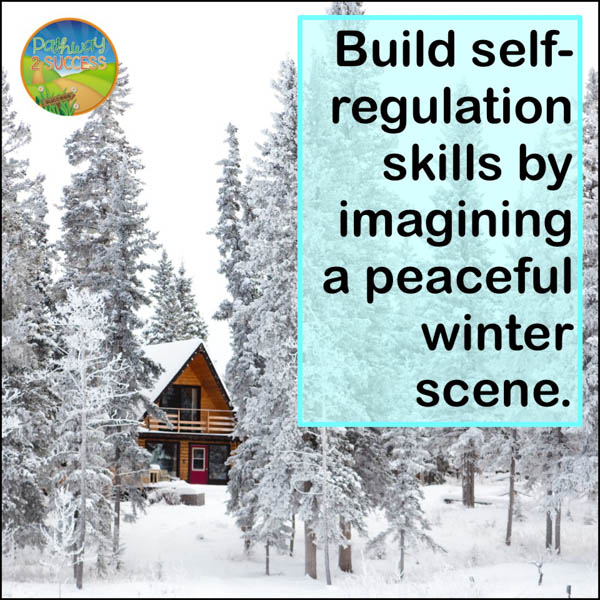
Cognitive strategies such as winter imagination and visualization exercises encourage youth to close their eyes and mentally transport themselves to tranquil, snow-covered landscapes guided by sensory prompts. This mental shifting aids in lowering physiological arousal and induces a state of deep calm. Meanwhile, creative outlets like winter arts and crafts engage fine motor skills and provide structured focus, teaching children how to manage frustration when artistic outcomes do not go precisely as planned.
Finally, auditory and movement-based activities round out the comprehensive approach to winter self-regulation. Playing gentle, winter-themed instrumental music in the background during transitions or independent work creates a soothing auditory environment that triggers relaxation responses. Active games like the winter freeze dance allow children to combine physical exertion with rigorous self-control, practicing the ability to freeze instantly upon hearing specific seasonal cues. Through these diverse, engaging practices, caregivers and educators are equipped to help children navigate the complexities of the winter season with poise, focus, and emotional resilience.