
As the winter season settles in and communities face the unique disruptions of holiday breaks, educators, parents, and youth development specialists are increasingly focusing on a vital developmental tool: self-regulation. Defined as the ability to effectively manage thoughts, feelings, and behaviors, self-regulation enables children to navigate daily emotions, maintain focus on tasks, and foster positive social connections. While essential year-round, these behavioral and emotional management strategies become acutely critical immediately before and after extended winter breaks, when shifting routines, prolonged indoor confinement, and seasonal stressors test the resilience of young people.

To address these seasonal challenges without turning to rigid interventions, professionals are emphasizing that building self-regulation skills can and should be an engaging, enjoyable experience. Experts point out that changes in daily environments often leave children and young adults needing extra emotional and behavioral support during the colder months. In response, a comprehensive framework of ten winter-themed activities has emerged as a practical resource for classrooms and homes alike, designed to anchor children through mindfulness, physical awareness, and creative expression.

At the foundation of these strategies are winter breathing exercises, which introduce children to mindful breathing as a direct mechanism to calm both body and mind. Instructors frame these exercises as a biological "pause button," allowing youngsters to bypass immediate emotional reactions or impulses in favor of slow, deliberate inhales and exhales. Supported by a robust body of scientific research, mindful breathing activates the parasympathetic nervous system—the biological mechanism responsible for true physical rest and recovery. This physiological shift not only cultivates an immediate sense of calm and relaxation but also enhances cognitive focus and strengthens foundational self-regulation capacities.

Complementing indoor mindfulness practices, outdoor nature walks provide an active avenue for stress reduction and environmental connection. By stepping outside into the brisk winter air, children engage in structured exploration walks that prompt them to notice their immediate surroundings through all five senses. Whether observing a hawk soaring overhead or feeling a chilly breeze against the skin, participants practice active mindfulness. Following these excursions, students are given opportunities to reflect and share their sensory experiences, reinforcing cognitive processing. Research underscores that spending time outdoors during daylight hours significantly reduces stress, sharpens attention, and elevates overall mood, while simultaneously encouraging physical exercise and much-needed winter sunshine.

Emotional reflection also takes center stage through winter gratitude practices, which encourage children and teens to identify and articulate what they appreciate about the season. Moving beyond surface-level observations, structured discussions and writing exercises guide participants to explore specific positive elements, such as the warmth of sunshine on a cold day, shared holiday traditions, or cherished time with family. Scientific studies consistently indicate that practicing gratitude successfully rewires cognitive patterns to prioritize positivity, yielding measurable benefits that include reduced stress, improved mood, strengthened psychological resilience, and better sleep quality.

For children who process emotions more effectively through tactile and visual mediums, mindful winter coloring offers an evidence-based alternative to traditional stillness. Using coloring materials alongside winter-themed and positive self-talk pages, participants are encouraged to slow down their breathing and focus entirely on the creative process rather than artistic perfection. Because coloring does not demand absolute physical stillness, it serves as an invaluable self-regulation strategy for children who require gentle movement to process complex feelings and alleviate anxiety.

Similarly, cozy reading time fosters relaxation and emotional co-regulation within learning environments. By establishing a comfortable atmosphere—often enhanced by projecting visual representations of a fireplace—educators facilitate both independent reading and group read-aloud sessions. Beyond the immediate comfort it provides, immersive reading has been scientifically linked to lower stress levels, eased muscle tension, heightened empathy, and a healthy cognitive break from the pressures of the daily routine.

Hands-on tactile experiences are further expanded through winter sensory bins. Large containers filled with safe, winter-themed tactile materials allow children to engage in sensory exploration that promotes calm, focus, and curiosity. This form of sensory play simultaneously supports the development of fine motor skills and provides a grounding mechanism for children experiencing sensory overload or emotional dysregulation during turbulent seasonal transitions.

Culinary mindfulness finds its place in the classroom and home through structured hot cocoa sipping sessions. By treating a warm cup of cocoa as a deliberate sensory exercise—focusing closely on the physical warmth of the mug, the sweet aroma, and the slow, deliberate pacing of each sip—children experience mindfulness in action. Warm beverages naturally signal the central nervous system to relax, while the focused attention required for the exercise quiets an overactive mind.

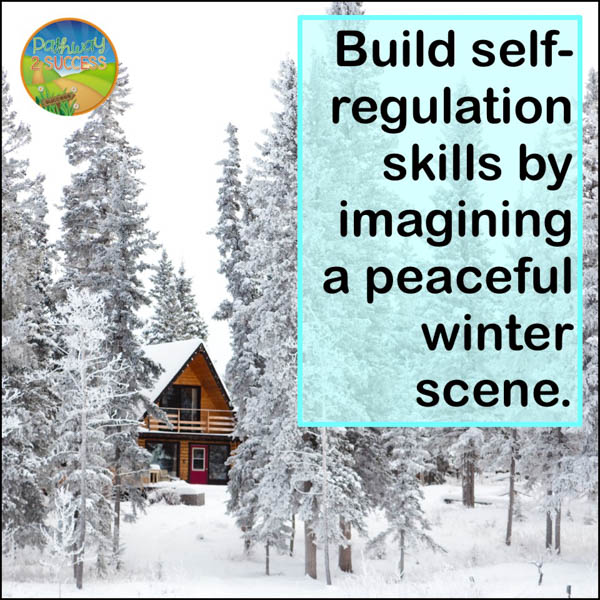
Visualization techniques harness the power of winter imagination to achieve similar physiological calm. By guiding children to close their eyes and mentally construct serene, snow-covered landscapes using detailed sensory prompts, instructors help participants shift their internal states. This mental transportation utilizes focused visualization to evoke feelings of tranquility and safety, offering a portable psychological tool that children can access independently whenever they feel overwhelmed.
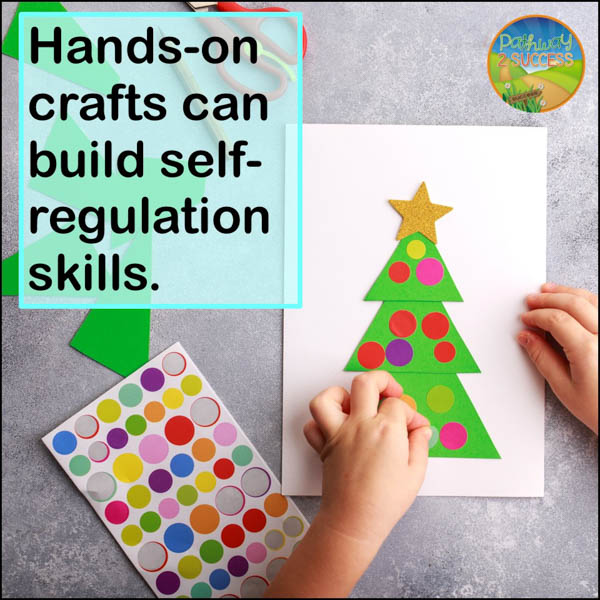
Creative expression continues through hands-on winter crafts, where participants engage with structured art projects. Whether following specific design instructions or exercising creative freedom to build unique winter-themed items, children utilize fine motor skills while navigating the emotional challenges of the creative process. The necessity of focusing attention, following sequential steps, and managing frustration when imperfections arise provides a practical rehearsal for broader self-regulation in daily life.
Auditory engagement rounds out the seasonal strategy through the mindful listening of winter-themed music and active movement games. Playing gentle, instrumental winter music during transitions or independent work creates an ambient atmosphere conducive to focus and emotional regulation. Complementing this, playful physical activities like winter freeze dance require children to balance dynamic movement with strict self-control, freezing instantly upon hearing designated seasonal vocabulary words. Through these varied approaches, educators and caregivers continue to adapt evidence-based self-regulation techniques to meet the evolving emotional needs of children throughout the winter months.



