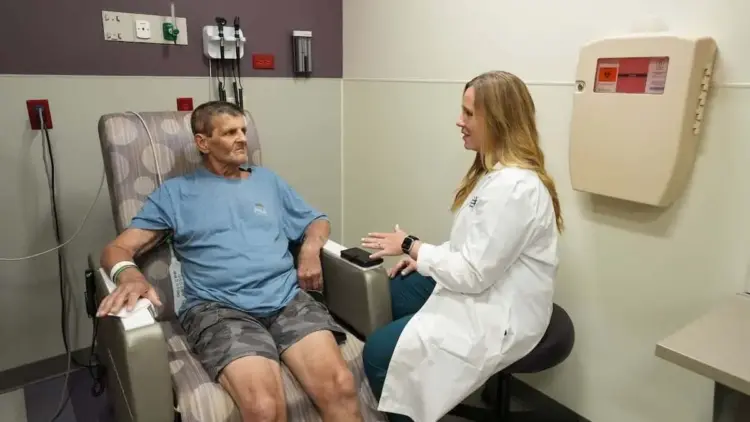
Cancer survivors classified as frail or at risk of frailty showed significant gains in physical strength and immune health after completing a 10-week personalized resistance training program, with biological markers ultimately becoming comparable to those of healthy controls.
The findings stem from a new pilot study led by Dr. Shernan Holtan, Chief of Blood and Marrow Transplantation at Roswell Park Comprehensive Cancer Center. Published in the peer-reviewed journal Cancers, the study results suggest that targeted exercise interventions hold substantial potential to overcome some of the severe, long-term physiological side effects of chemotherapy and radiation treatments. These aggressive cancer therapies are well known to accelerate the aging processes of both the immune and musculoskeletal systems, leaving many survivors vulnerable to chronic fatigue, prolonged inflammation, and a diminished quality of life long after their cancer is in remission.
"This study shows that a structured strength-training program may help cancer survivors regain strength and improve their immune health after treatment," says Dr. Holtan, highlighting the broader implications of the research for oncology care and post-treatment survivorship.
Uncovering the Toll of Cancer Treatments on Frail Survivors
The pilot study enrolled a small but carefully monitored cohort of eight long-term cancer survivors who had been clinically classified as either frail or at significant risk of becoming frail. Participants in this group exhibited hallmark signs of physical vulnerability, including low baseline energy levels and self-reported exhaustion that impaired their daily activities. To provide a baseline for comparison, the study also enrolled eight caregivers who served as healthy controls, allowing researchers to evaluate physiological differences between the two groups.
At the onset of the research, comprehensive laboratory evaluations of blood and stool samples revealed stark disparities between the cancer survivors and the healthy controls. The cancer survivors showed clear biochemical evidence of systemic inflammation, suppressed immune function, and gut biomes that differed significantly in composition from those of the healthy control group. These findings reflected the deep, lingering biological footprint that cancer and its standard treatments often leave behind, affecting multiple organ systems and metabolic pathways.
The Intervention: A Tailored Approach to Strength
Following the initial evaluations, all study participants embarked on a structured physical regimen consisting of a median of 25 personalized resistance training sessions. Rather than employing a one-size-fits-all approach, the program was carefully customized to accommodate the unique physical limitations, baseline fitness levels, and recovery histories of the cancer survivors. Resistance training uses opposing force—such as weights, resistance bands, or body weight—to challenge muscle tissue, stimulating adaptation, cellular repair, and physical growth.
Throughout the 10-week intervention, participants worked closely with fitness professionals who monitored their progress, adjusted resistance levels incrementally, and ensured proper form and safety. This personalized oversight was critical for individuals dealing with post-treatment fatigue and frailty, allowing them to build confidence and gradually increase their physical capacity without risking injury or overexertion.
Remarkable Biological Shifts and Surprising Discoveries
Upon completion of the 10-week program, follow-up research tests yielded striking results. When researchers analyzed the post-intervention blood and gut microbiome samples, the previous distinctions between the cancer survivors and their healthy counterparts were no longer distinguishable. The biomarkers of inflammation and immune dysfunction in the survivors had shifted toward profiles typically observed in healthy individuals, alongside dramatic self-reported improvements in physical strength and vitality.
Dr. Holtan and her interdisciplinary research team hypothesize that the physiological benefits of structured strength training for cancer survivors extend far beyond merely adding muscle mass. The systemic changes observed in immune markers and gut microbial diversity point toward a complex, bidirectional communication network between skeletal muscle, the immune system, and the gastrointestinal tract—an area of growing interest in modern oncology and biomedical research.
"The pilot study results are encouraging, and they raise an intriguing question: Could muscle itself help protect against cancer recurrence and other treatment complications?" notes Dr. Holtan. This hypothesis opens exciting new avenues for future clinical trials, suggesting that maintaining or rebuilding muscle tissue through targeted exercise could serve as an active therapeutic shield for individuals recovering from cancer.
Collaborative Efforts and Future Directions
The implications of this research stretch across multiple institutions and medical specialties. Dr. Holtan’s co-investigators included leading researchers and clinicians from Oregon Health & Science University, the University of Minnesota, and Brook Army Medical Center at Fort Sam Houston, reflecting a broad collaborative effort to address the long-term challenges of cancer survivorship.
As cancer survival rates continue to improve due to advancements in early detection and treatment modalities, the medical community faces an urgent need to address the chronic, debilitating side effects that survivors manage for years after beating the disease. Studies like this pilot project provide a foundation for integrating physical medicine and personalized exercise prescription directly into standard oncology care pathways.
While larger randomized controlled trials will be necessary to confirm these findings across diverse cancer populations and treatment histories, the current study offers a powerful message of resilience. By harnessing the body’s natural capacity to adapt and heal through targeted physical activity, cancer survivors may find a viable pathway toward reclaiming their long-term health, strength, and overall well-being.