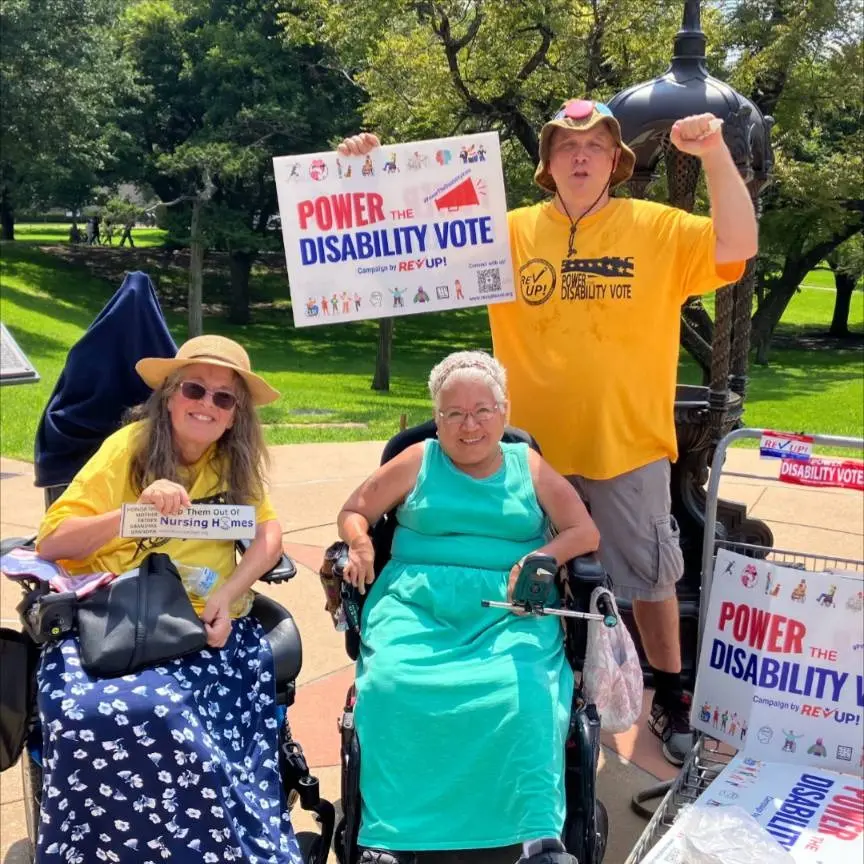
The American Association of People with Disabilities (AAPD) has officially announced the launch of Disability Voting Rights Week (DVRW) for 2026, marking a nationwide mobilization centered on community building, voter education, and civic empowerment. Scheduled to take place from September 14 to September 18, 2026, this year’s nationwide initiative arrives a decade after grassroots activists in Texas first sparked the movement. What began a decade ago as a localized effort to address the disenfranchisement of voters with disabilities has since blossomed into a robust, cross-country campaign that highlights both community strength and the vital necessity of the disability vote.
For millions of Americans, the fundamental right to vote remains encumbered by persistent and systemic barriers. Across the country, eligible citizens continue to encounter obstacles that make participating in elections unnecessarily difficult and, in some cases, entirely impossible. These architectural, procedural, and technological hurdles, combined with the urgent need for comprehensive systemic reform, can frequently create an intimidating landscape for prospective voters. For many individuals navigating these challenges, the vision of a truly accessible democracy—where every single voter can participate seamlessly in a manner that suits their specific needs—can at times feel frustratingly out of reach.
Yet, as organizers and advocates emphasize, meaningful change is rarely born solely from sweeping legislative overhauls; it is equally constructed through small, deliberate, and interconnected actions taken at the community level. The impact of these micro-actions can be transformative. It is visible when a diligent poll worker takes extra care to correctly place and illuminate signs for curbside voting. It is demonstrated when one individual takes the time to drive a neighbor to a polling place, or when a friend gently reminds another to request an early mail-in ballot. It is equally present when an advocate steps forward to provide accessible, clear voter education to those navigating the system for the first time. Each of these individual choices and localized actions has the power to transform a frustrating voter experience into something positive, affirming, and powerful. Much like the act of voting itself, these individual inputs compound over time, steadily growing into a collective power capable of driving true and lasting societal change.
In alignment with this philosophy of grassroots empowerment, this year’s Disability Voting Rights Week is issuing a broad invitation to disabled people, community allies, advocacy organizations, and election workers alike to actively step forward and take part. Organizers stress that everyone has a role to play in dismantling barriers and making elections more accessible, effectively framing participants as "Accessible Democracy Defenders." Individuals and groups looking to get involved can access a wealth of resources through the official DVRW Toolkit provided by the AAPD, as well as participate in the upcoming National DVRW Kickoff call scheduled for September 14.
Across the United States, various REV UP coalitions and allied partner organizations are already translating these guiding principles into tangible, localized action. These groups are coming together in diverse ways to learn, organize, celebrate, and harness the political and social influence of the more than 40 million eligible disabled voters nationwide. In Pennsylvania, for instance, REV UP Philly is preparing to host a community gathering designed to foster connection and resource sharing. Their upcoming event, titled the "Bites, Ballots, & Belonging Social," is scheduled for September 16 and offers a welcoming space for community members to share food, exchange vital information, and build enduring solidarity.
Meanwhile, in Tennessee, organizers are taking a multifaceted approach that blends practical civic preparation with unbridled community joy. Their upcoming event, aptly named "Disabled to the Front," centers on both the practical necessities of voting and the celebration of disability culture. Attendees will have access to crucial voter registration support alongside practical services such as mobility device cleaning, all accompanied by live music and joyful dancing. This fusion of civic duty and cultural celebration highlights the vibrant spirit animating the broader DVRW movement across different states.
Further north, REV UP Maine is focusing heavily on empowering voters through comprehensive education regarding their rights and options. On September 14, the coalition is hosting a dedicated Maine Voting Rights Training session designed to help voters clearly understand the various methods available to them for casting a ballot securely and independently. Building bridges across different advocacy movements, REV UP North Carolina is demonstrating the power of cross-movement solidarity. Partnering alongside Disability Rights North Carolina and the Lawyers’ Committee for Civil Rights Under Law, the coalition is hosting an event on September 15 titled "Our Power, Our Vote: Disability Voting Rights in North Carolina." This collaborative initiative aims to help voters proactively identify, navigate, and address barriers at the physical polling place on election day.
These dynamic initiatives represent only a fraction of the diverse ways communities nationwide are showing up and making their voices heard for Disability Voting Rights Week. From Alabama to Arkansas, and across Massachusetts to Florida, disabled leaders and their allies spanning over thirty states are actively sharing their personal stories, demanding systemic accountability, and creating welcoming spaces for broader participation in the democratic process. Organizers have made it easy for interested citizens to connect with these efforts by exploring a comprehensive directory of state and local events hosted through the REV UP network.
Ultimately, the overarching message of Disability Voting Rights Week 2026 is that building an inclusive and accessible democracy is a shared responsibility that begins with each individual. Every citizen and every distinct community must be afforded the opportunity to participate fully in the democratic process in the way that works best for them, exercising their inherent power to shape our collective future. As communities prepare for the week’s events, the AAPD continues to encourage citizens to explore state and local DVRW gatherings and register for the September 14 National DVRW Kickoff Call to discover how they, too, can step forward as Accessible Democracy Defenders.