The landscape of public healthcare coverage in the United States is undergoing a significant transformation following the passage of the 2025 reconciliation law. Under the new federal legislation, states are officially required to condition Medicaid eligibility for adults within the Affordable Care Act (ACA) expansion group on meeting specific work requirements. While the federal mandate establishes a formal start date of January 1, 2027, for nationwide enforcement, the regulatory framework has opened the door for states to roll out these provisions well ahead of the deadline. As states evaluate their options, several administrations are moving quickly to adopt the policy early, utilizing state plan amendments to accelerate the transition.
The 2025 reconciliation law fundamentally alters how states manage their expansion populations by tying healthcare benefits to employment or other qualifying community engagement activities. However, recognizing that states may require varying timelines to adjust their administrative systems, the legislation includes provisions allowing jurisdictions to implement the requirements earlier than the mandated federal deadline. To accomplish this, states have two primary regulatory pathways at their disposal: submitting a state plan amendment or utilizing an approved Section 1115 demonstration waiver. Despite these dual avenues, recent policy shifts and federal legislative changes have significantly influenced the strategies state leaders are choosing to pursue.
State Plan Amendments (SPAs)
State plan amendments have quickly emerged as the preferred mechanism for states looking to enforce federal work requirements prior to the mandatory January 1, 2027 implementation date. By opting for an SPA, state agencies can smoothly integrate the new federal guidelines into their existing operational structures without navigating the lengthy and often complex negotiation process typically associated with federal demonstration waivers.
Nebraska has formally positioned itself at the forefront of this movement, becoming the first state in the nation to announce that it will begin enforcing federal work requirements early through an SPA, with enforcement set to begin on May 1, 2026. State officials in Nebraska have indicated that the early rollout will help establish administrative protocols ahead of the broader federal mandate.
Following Nebraska’s announcement, two additional states have laid out timelines to implement the requirements before January 2027. Montana is scheduled to enforce the work mandates starting July 1, 2026, while Iowa has targeted December 1, 2026, for its official implementation date. Meanwhile, Arkansas has adopted a distinct phased approach. The state announced plans to launch a soft implementation of work requirements on July 1, 2026, serving as a transitional period during which beneficiaries can familiarize themselves with the new rules, with the explicit caveat that the state will not disenroll any individuals for non-compliance prior to the mandatory federal enforcement date of January 1, 2027.
1115 Waivers
In contrast to the momentum surrounding state plan amendments, the landscape of Section 1115 waivers has shifted dramatically. Since the inauguration of the second Trump administration, several states initially submitted waiver proposals aimed at establishing or continuing work requirement programs. However, policy analysts note that states are now unlikely to move forward with these proposed 1115 waivers because the passage of the federal work requirements through the reconciliation law provides a more direct and standardized federal pathway.
Rather than pursuing custom demonstration projects that require extensive federal negotiation and approval, states that intend to enforce work mandates ahead of schedule are increasingly relying on state plan amendments to achieve their policy goals. This preference for SPAs reflects a broader shift toward utilizing standard administrative tools provided directly by the new federal legislation rather than pursuing discretionary waivers.
The historical context of Section 1115 waivers also highlights the shifting legal and administrative terrain. Georgia currently stands as the only state in the country with an active Medicaid work requirement waiver in place. This unique status is the result of prolonged litigation stemming from the Biden administration’s previous attempts to halt the state’s waiver implementation. Following court battles that allowed the program to proceed, Georgia’s current waiver is authorized to remain in effect until it expires on December 31, 2026. Upon the expiration of its waiver, Georgia will not seek a renewal under the previous framework; instead, the state is required to transition and come into full compliance with the new federal requirements that take effect across the country on January 1, 2027.
Early Implementation and Waiver Status
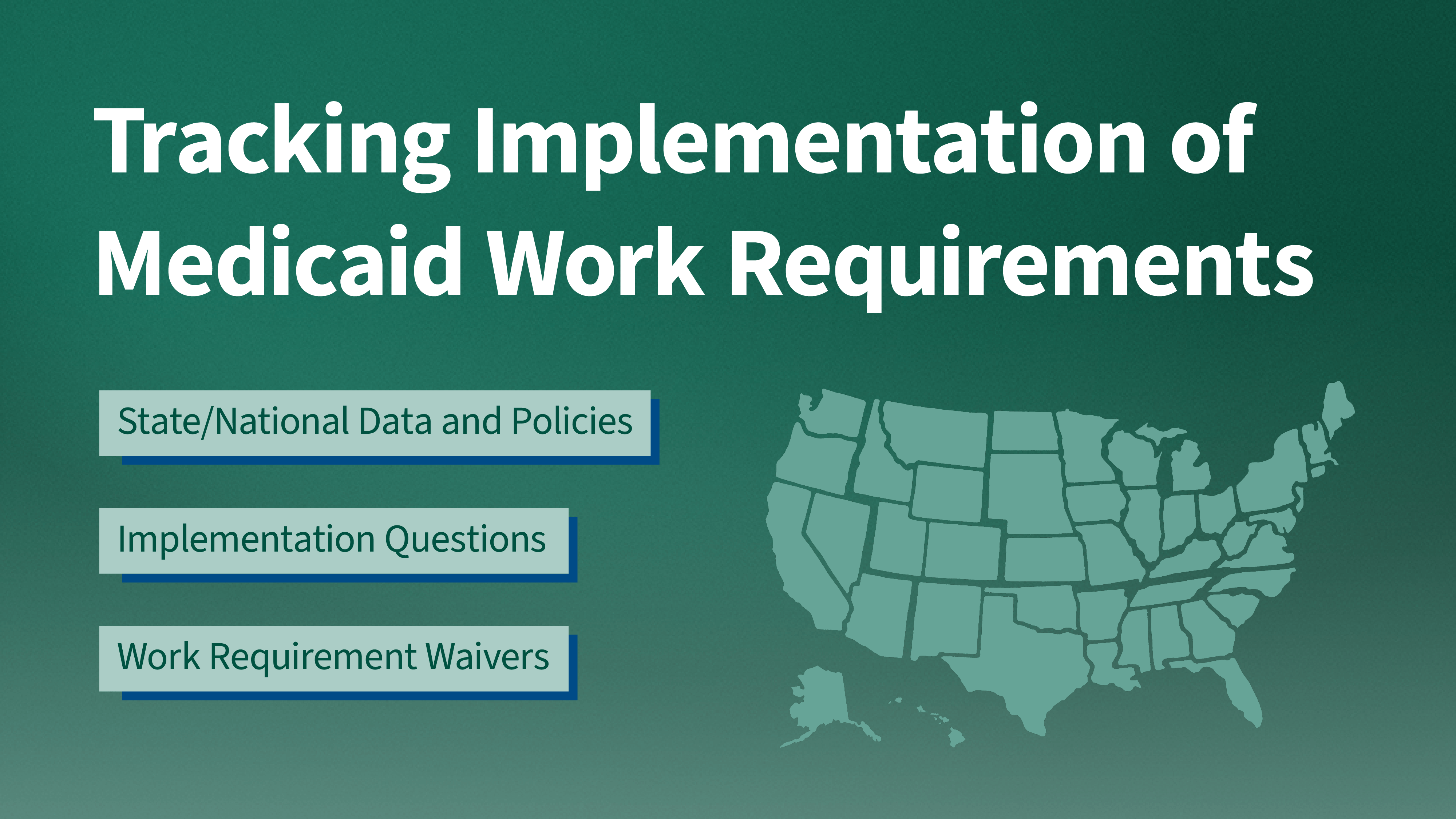
The national map tracking these regulatory changes illustrates a clear division in how states are responding to the new federal policy. A select group of states have officially indicated their intention to bypass the full waiting period and implement the federal work requirements ahead of schedule through state plan amendments. These early-adopting states are currently updating their administrative systems, designing notification processes for beneficiaries, and preparing outreach campaigns to ensure that affected adults in the ACA expansion group understand the upcoming changes to their coverage eligibility.
At the same time, Georgia remains the sole jurisdiction operating under an approved 1115 waiver for Medicaid work requirements, a status that will persist until the close of 2026. As the broader January 1, 2027 deadline approaches, state health agencies across the country continue to review their operational capacities and policy options. With Nebraska, Montana, Iowa, and Arkansas setting definitive milestones for early rollout, and other states closely monitoring the administrative outcomes of these initial transitions, the implementation of Medicaid work requirements marks a major turning point in the administration of public health insurance programs nationwide.