

Navigating the world with a disability often means confronting a steady stream of unsolicited comments, inappropriate curiosity, and deeply ingrained societal biases. For Stevie Morris, her partner John, and her teenage son Robert, meeting these moments has become an ongoing family exercise in self-advocacy, resilience, and occasional humor. Through shared experiences, open dialogue, and a refusal to silently accept intrusive behavior, the family is redefining what it means to respond to everyday ableism.
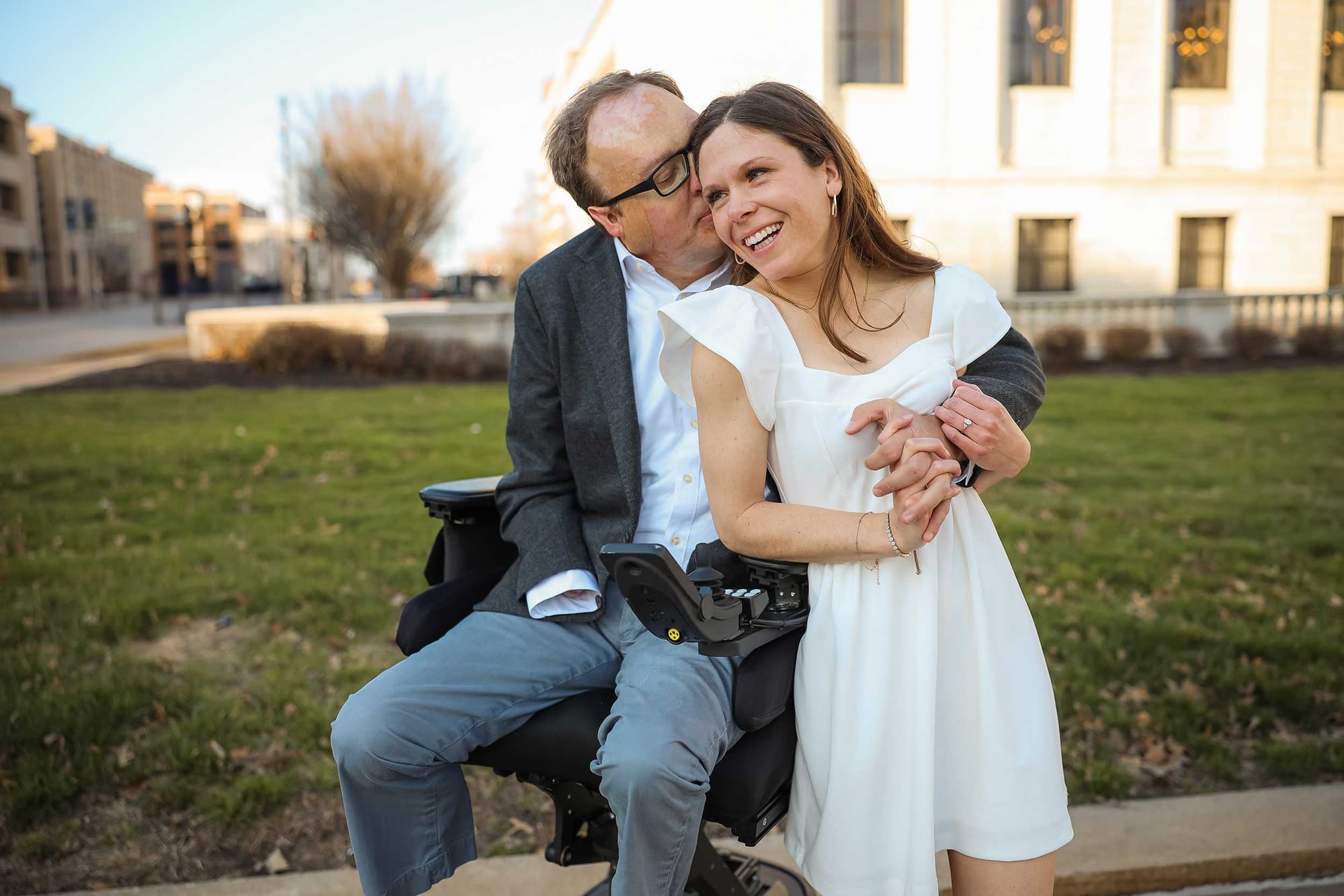
The reality of these interactions struck home vividly during an early breakfast on a trip to Knoxville, Tennessee. John and Stevie were on their second date, enjoying a meal together before heading to the Knoxville Museum of Art. Their connection was already well-established through a deep friendship and an ongoing long-distance relationship, giving them plenty of joy and anticipation for their quality time.
That excitement was abruptly interrupted by a restaurant staff member who approached their table. Looking toward John with a gaze that balanced a downturned pout and a sympathetic smile, the employee expressed profound amazement that John was capable of managing his own meal and getting his own juice from the serving station. The interaction culminated in an exclamation that left the table stunned: "He doesn’t even have a whole body!"
The comment was so pointed and specific that Stevie found herself momentarily speechless. Stifling a grin, she offered a curt head nod and briskly walked out of the restaurant, barely making it past the front door before bursting into laughter—the first of many giggle-fits John would come to witness. Finding humor in the absolute absurdity of public ignorance has become a cornerstone of how John and Stevie process these encounters. While Robert occasionally responds with typical teenage eye-rolls, the family recognizes that sharing these everyday moments helps normalize resilience and lightheartedness in the face of awkwardness.
Reflecting on that interaction, Stevie has often considered whether she would have reacted differently if she had been with Robert, or how she would expect Robert to handle a similar situation. Teaching a young person how to navigate ableism is a complex, nuanced task that frequently requires breaking conventional social rules. Society teaches people to be polite, to acknowledge strangers, to automatically submit to authority figures, and to offer immediate gratitude for any form of assistance. However, living with a visible disability often requires challenging those very expectations to protect personal dignity and physical autonomy.
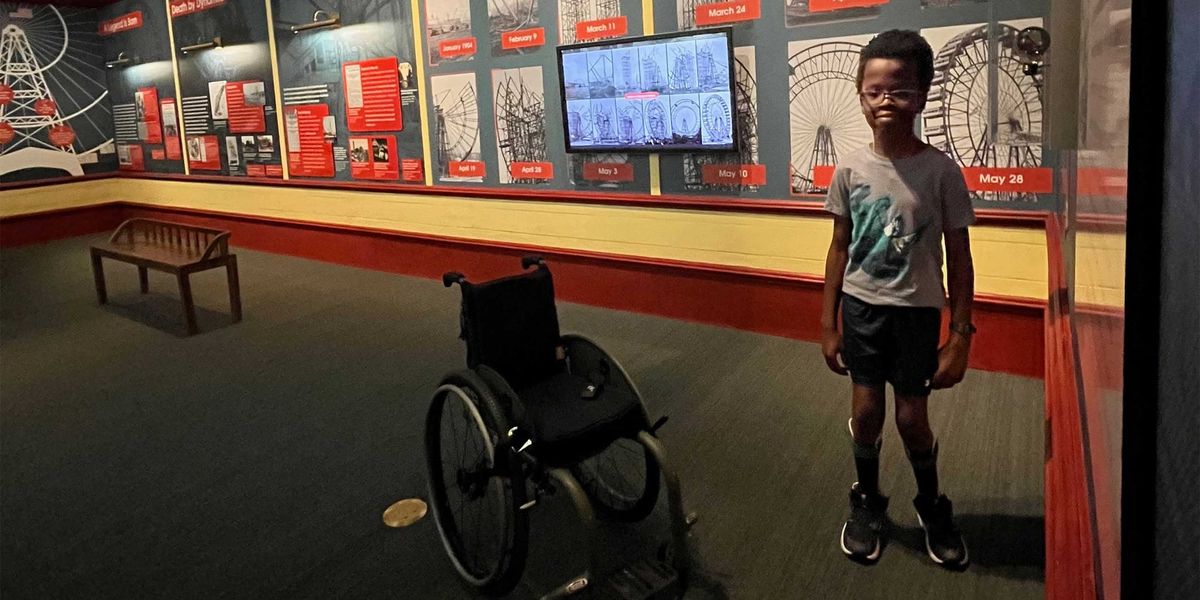
This tension between societal norms and self-preservation comes up constantly in their parenting conversations. For instance, while polite society dictates that ignoring someone is rude, Stevie has taught Robert that he has every right to walk away when faced with intrusive or infantilizing remarks. Similarly, people routinely expect disabled individuals to offer detailed explanations regarding their mobility aids and medical accommodations. To counter this, the household maintains a set of practiced responses, such as stating plainly that they do not share personal medical information, shutting down inappropriate questions before they can take root.
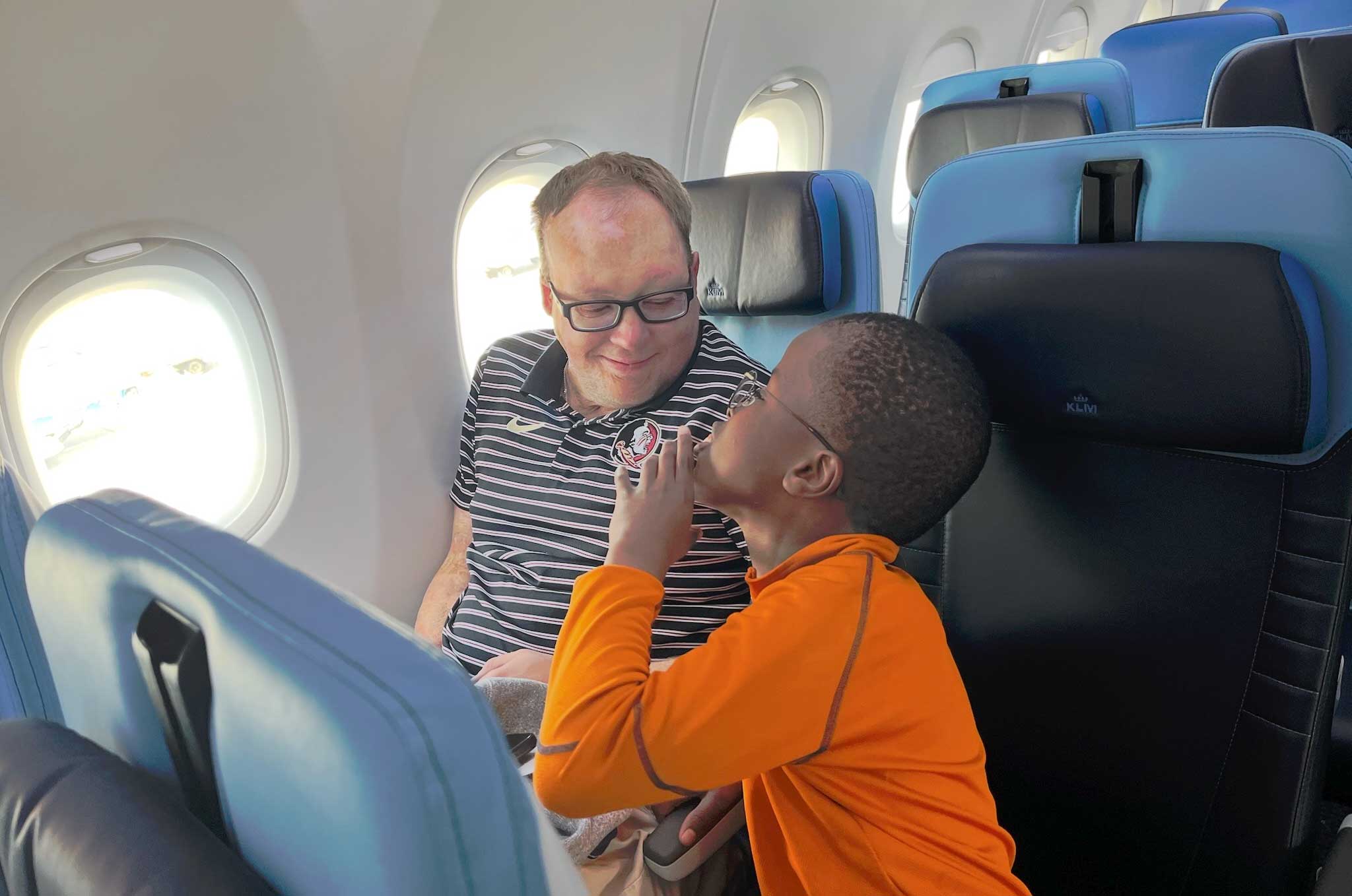
Challenging automatic submission to authority is another critical lesson modeled within the home. When traveling by air, passengers are often expected to comply instantly with instructions from airline personnel, regardless of accessibility needs. On multiple occasions, airline assistance staff have demanded that John and Robert exit aircraft before their personal wheelchairs have been returned to the jetbridge. Rather than blindly submitting to these demands, John and Robert have consistently declined, prioritizing their physical safety and independence over compliance with flawed airline procedures. John has documented these challenges publicly, emphasizing the importance of standing firm against improper gate agent directives.
The expectation of gratitude for basic accessibility features presents another frequent hurdle. Disabled individuals are routinely conditioned to express deep appreciation simply for receiving equal access or standard accommodations, as though basic civil rights were a personal favor. Stevie has written extensively on this dynamic, questioning why society demands excessive gratitude for reasonable accommodations that should be standard practice. In alignment with these principles, Robert has been encouraged to pull away without a second glance if an assistant or stranger attempts to grab his wheelchair without permission.
Honesty is prized within their home, with one notable exception: crafting absurd, entirely fictional origin stories to shut down intrusive "What happened to you?" inquiries. To deter nosy questions, John has even been known to attribute his leg amputations to a shark attack, turning an invasive social violation into a moment of creative deflection.
Some might argue that it would be simpler to adopt a single, uniform response strategy for Robert, or to manage interactions on his behalf to shield him from uncomfortable public perceptions. However, Stevie points out that such an approach comes at a steep cost. Shaping a teenager who blindly follows social rules and fits the mold requires sacrificing a piece of his dignity. By contrast, encouraging a young person to speak up, set boundaries, and occasionally ruffle feathers fosters authenticity and genuine self-advocacy.

Approaching a widespread social justice issue on a daily, personal level can feel overwhelming, but shifting perspectives has helped the family maintain focus. Stevie compares the ongoing work against ableism to doing laundry—it is a continuous cycle with no final completion date. Dirty clothes pile up, get washed, dried, folded, and put away, only for the cycle to begin anew the moment someone gets dressed. Recognizing that combating ableism is cyclical rather than a checklist task has brought a sense of balance. There is no need to measure success by the complete eradication of bias; instead, progress happens through small steps, occasional pivots, and necessary breaks when exhaustion sets in.
A core strategy for the family involves constant communication and collaborative problem-solving. Rather than dictating rigid rules, Stevie frequently asks Robert open-ended questions after encounters, such as what can be learned from a situation, what worked, what did not, and how specific interactions made him feel. Because a teenager’s perspectives and emotional responses evolve over time, this ongoing dialogue ensures that problem-solving remains a shared family endeavor rather than a top-down mandate.
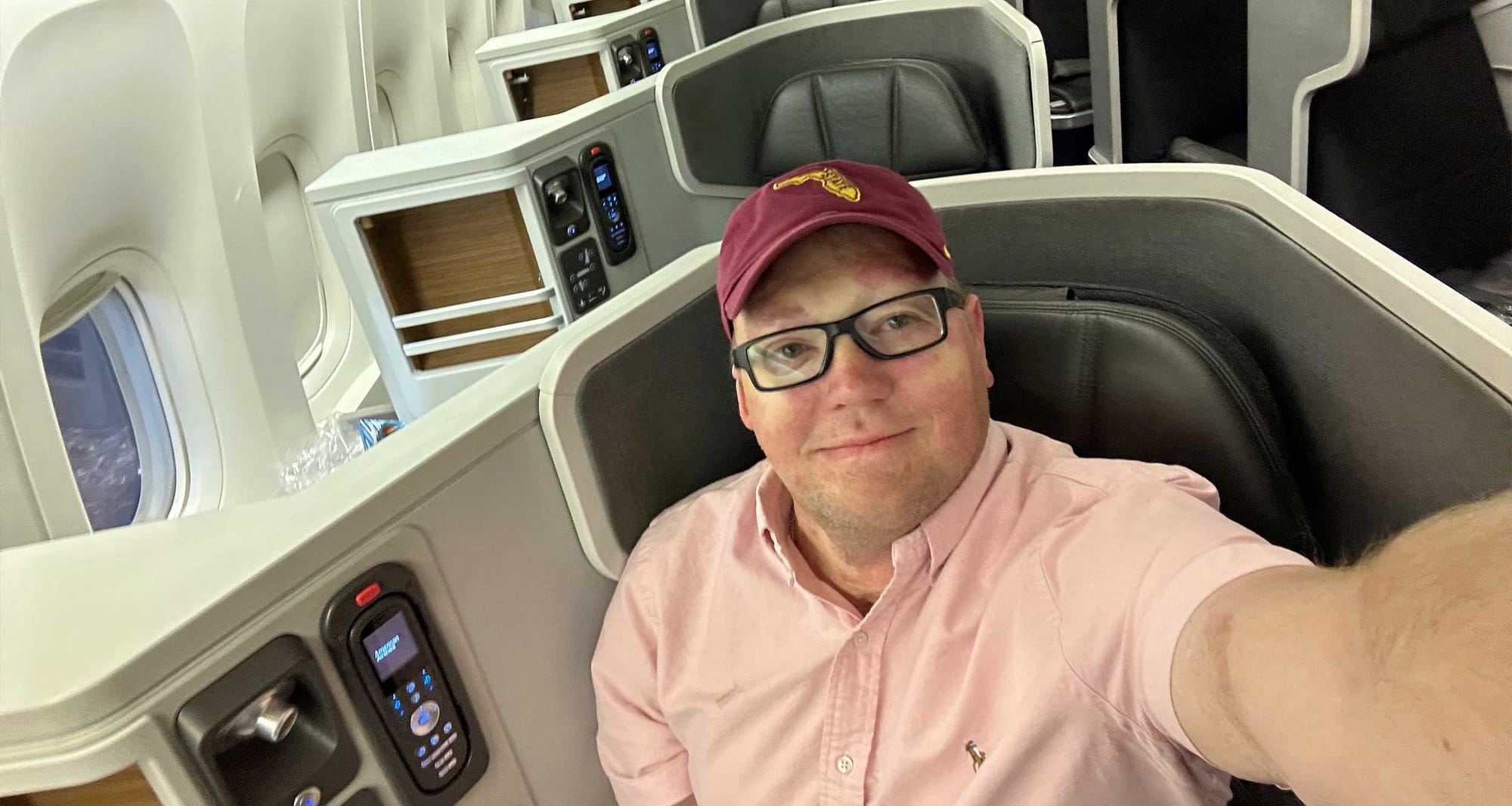
When recurring obstacles are identified, the family actively rehearses potential responses at home. They have used stuffed animals, acted out various scenarios, and even collaborated on comic books to visualize strategies. For example, boarding airplanes historically presented significant stress because assistance staff frequently made assumptions about Robert’s mobility and began moving his wheelchair without asking. By discussing the best approach and practicing respectful, clear verbal pushback at home—with Stevie role-playing an intrusive assistant—Robert builds the confidence needed to handle high-stress environments in the real world.
Navigating the world as a family requires drawing upon a wide array of communication and advocacy skills, even if moments of uncertainty still arise. John and Stevie acknowledge that appropriate responses to ableism shift depending on a variety of intersecting factors, including age, race, gender, and the specific nature of a disability, all of which influence how others form assumptions. By combining proactive planning with flexible approaches, they continue to foster Robert’s confidence. Their ongoing experiences serve as a practical example for anyone learning to navigate similar social terrain.



