
Early this year, a routine commercial flight turned into a masterclass in the systemic vulnerabilities faced by disabled travelers when a heavy power wheelchair was severely damaged on an American Airlines journey. Rather than utilizing the proper wheelchair lift designed for safe transport, baggage handlers chose to physically lift the massive mobility device directly from the belt loader. The outcome was entirely predictable: the wheelchair, weighing hundreds of pounds, was far too heavy for the handlers to manage safely. It slipped from their grip and dropped onto the pavement at a jarring, awkward angle.
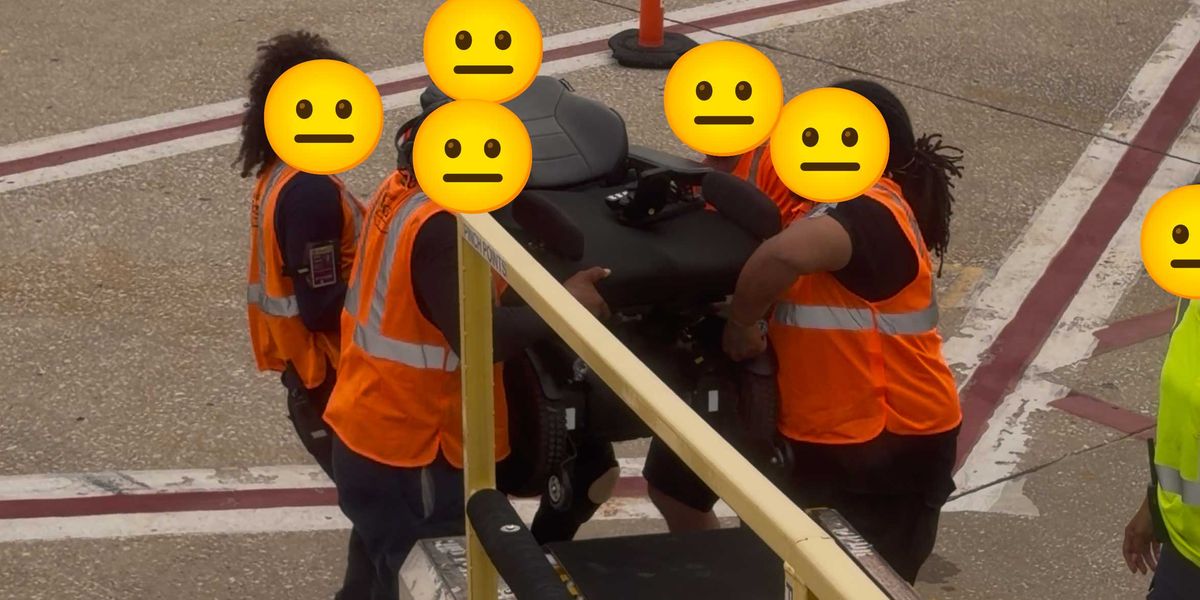
Watching the mishandling unfold from the cabin window, the passenger immediately suspected that the structural integrity of the frame had been compromised. Yet, from a surface-level perspective, the damage was not immediately obvious. When submitting the formal wheelchair damage claim, the passenger reported only what could be visually and audibly verified at the time: a broken piece of plastic trim, a bent headlight, and, most concerningly, an unusual mechanical noise originating from the wheel area. Visually, the chair appeared intact, but in the specialized world of heavy-duty mobility equipment, outward appearances can be deeply deceiving.
In response to the claim, a local wheelchair repair technician was dispatched to the owner’s home to diagnose and resolve the issue. After inspecting the device, the technician concluded that the root of the problem was a bent drive wheel. A replacement part was ordered, and several weeks later, the new wheel was installed. However, when the equipment was tested, the persistent mechanical noise remained unchanged.

A second technician was subsequently sent to investigate, diagnosing a damaged motor. Once again, weeks passed while a replacement motor was ordered and fitted into the chair. And once again, the noise persisted, defying the attempted fixes.
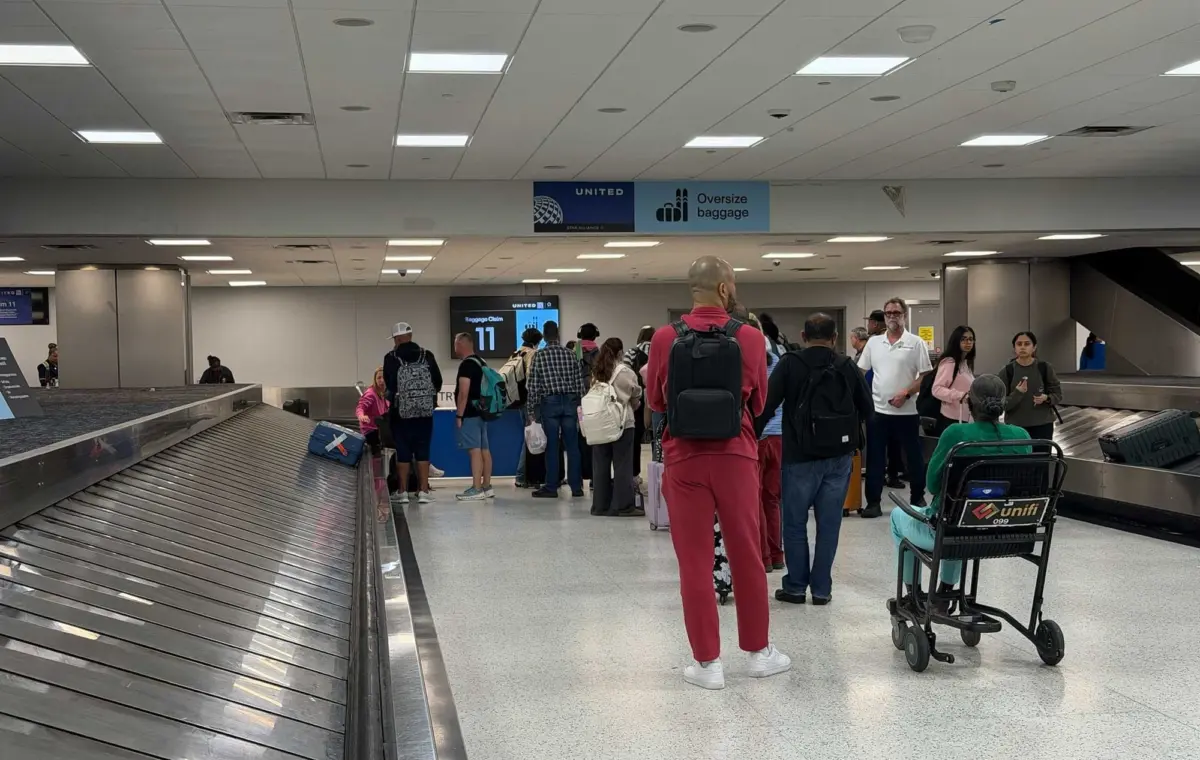
Before this initial saga could be resolved, the wheelchair was subjected to further mishandling on subsequent journeys—this time, twice in quick succession by United Airlines. On these occasions, the chair was dropped even more forcefully. The cumulative impact resulted in a bent armrest, a torn seat cushion, and an increasingly loud, grating noise emanating from the undercarriage.
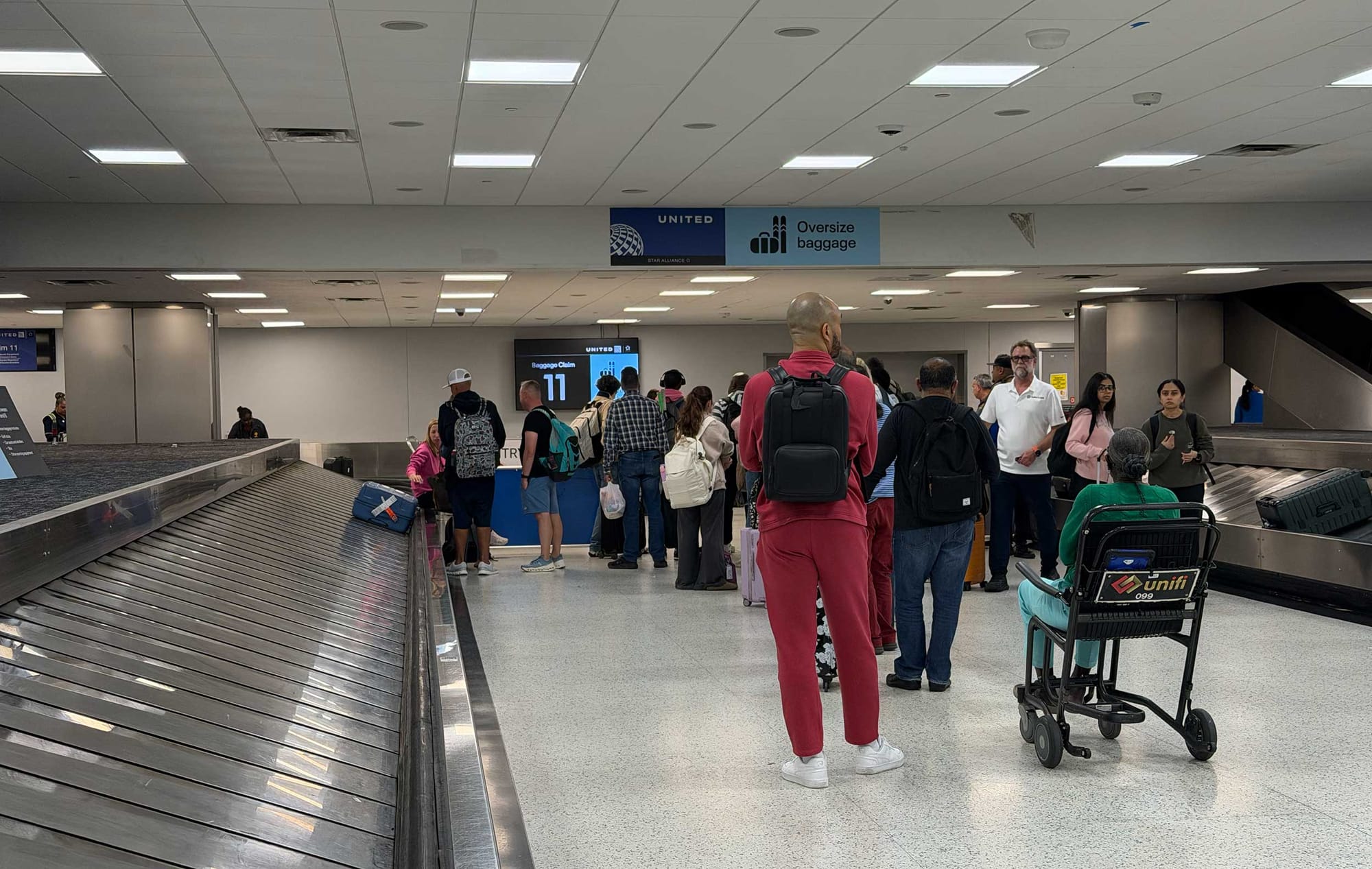
What followed was a revolving door of local wheelchair repair personnel visiting the home to inspect the deteriorating equipment. A series of different technicians assessed the chair, systematically replacing motors, wheels, casters, and shock absorbers in a desperate effort to silence the noise. Yet, despite replacing almost every major modular component, the underlying issue refused to go away.
Exhausted by the ordeal, the owner had sacrificed countless hours across more than ten separate repair appointments with no tangible result. Prepared to finally give up, a last-ditch effort was made to involve the actual manufacturer of the equipment rather than relying solely on third-party local contractors.

When a representative from Permobil—an expert deeply familiar with the engineering and structural specifications of the equipment—examined the power chair, the truth finally came to light. The manufacturer’s representative determined that the wheelchair’s frame had indeed sustained critical structural damage during the drops. The expert delivered a sobering assessment: once a power wheelchair of this caliber is dropped or severely impacted, the manufacturer can no longer certify that the equipment is safe to use.
That professional verdict provided the necessary proof for the airline to take responsibility. United Airlines subsequently approved a replacement wheelchair. With this latest resolution, the owner reached a grim milestone: having had a heavy-duty power chair completely destroyed and subsequently replaced by each of the major three U.S. carriers—once by Delta Air Lines, multiple times by American Airlines, and now by United Airlines.
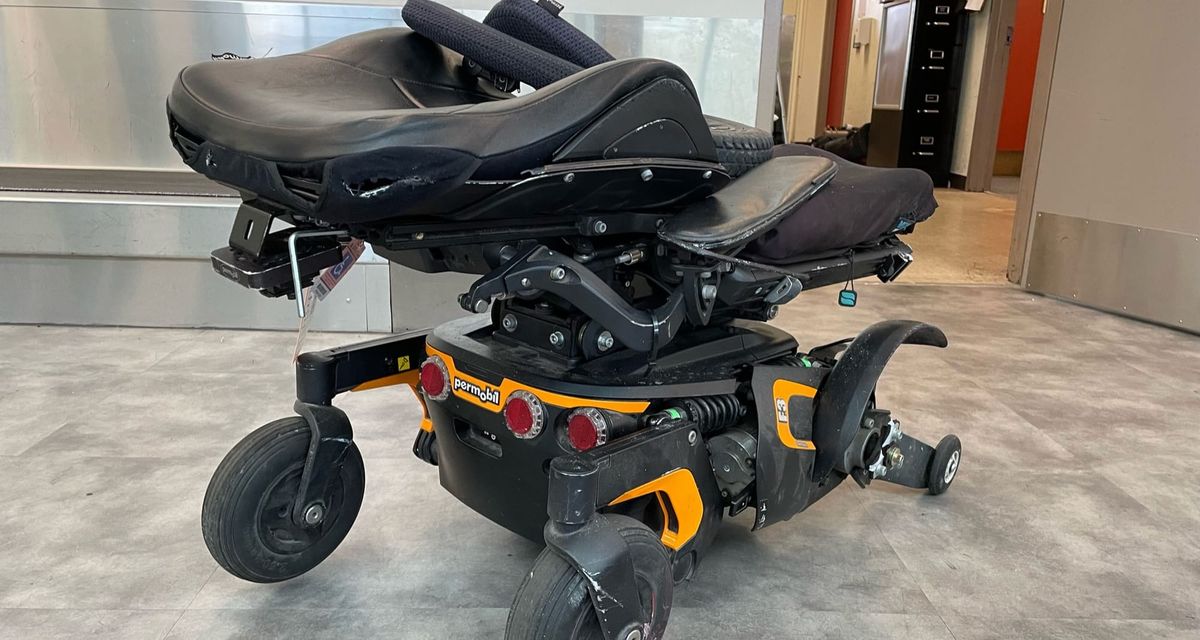
The root of this recurring nightmare points to a fundamental disconnect in how wheelchair damage is assessed and repaired. Local wheelchair repair technicians possess virtually no experience in identifying structural frame damage on complex mobility devices. Their daily work consists primarily of routine service calls within local communities, such as changing tires, installing standard batteries, and swapping out minor modular parts that fail through normal residential wear and tear. The equipment they service is designed for home and community use—not to be loaded, stacked, and routinely dropped onto the belly of more than a hundred commercial aircraft every single year.
When these well-meaning technicians were sent to assess the airline-induced damage, they heard a noise and logically attempted to fix it by replacing the obvious moving parts. While that approach seems reasonable on the surface, it proved to be an exercise in utter futility because the core damage was structural and entirely unrepairable.

The reality remains that commercial airlines subject wheelchairs to forces and drop heights that would be entirely impossible in a normal home environment. A 400-pound power wheelchair is never lifted entirely off its wheels anywhere except when placed under the care of commercial aviation staff. Recognizing this reality, future responses to suspected transit damage will involve calling upon the manufacturer’s own expert representatives much earlier in the process, as they are uniquely qualified to identify catastrophic, irreparable frame damage before months of futile local repairs take place.
The cycle of travel and damage continued shortly after a brand-new replacement wheelchair was delivered. Taking its very first test flights last month on a round-trip journey from St. Louis to Dallas operated by American Airlines, the outbound leg went smoothly, but the return flight yielded familiar results. Upon arrival, the brand-new wheelchair showed signs of transit trauma, emitting loud squeaking noises from the seating system and central pillar. As the ongoing challenges of accessible air travel persist, the journey toward reliable, damage-free transportation for wheelchair users remains an uphill battle.



