
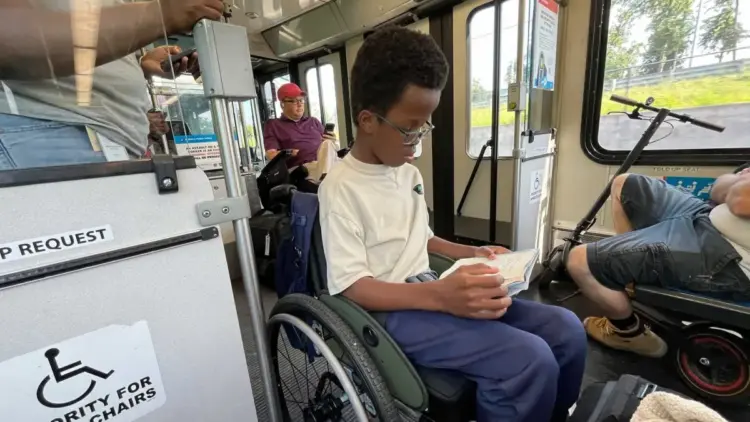
Readers of the Wheelchair Travel Newsletter will find the regular publication returning next week following travel lead John’s return from guided group trips in Europe. Ahead of that return, organizers have teased the announcement of a brand-new Summer 2027 tour. In the interim, recent correspondence from the team has turned its focus toward an essential travel companion for long journeys on trains, airport gate waits, and unexpected flight delays: a good book.
Travel days inevitably involve periods of downtime, making reading one of the favorite family activities for the Wheelchair Travel team. With regular reading habits deeply ingrained—including participation in a close-knit book group for nearly five years—the team emphasizes the profound value of books both at home and on the move. That appreciation for literature has recently been tied to the team’s new home library in St. Louis, Missouri. Housed in a grand, historic building that captures the classic ambiance of traditional literary spaces, the St. Louis Central Library features prominent quotes on its exterior. Among them is a notable reflection by industrialist and philanthropist Andrew Carnegie: "I choose free libraries as the best agencies for improving the masses of the people because they only help those who help themselves. They never pauperize. A taste for reading drives our lower tastes."
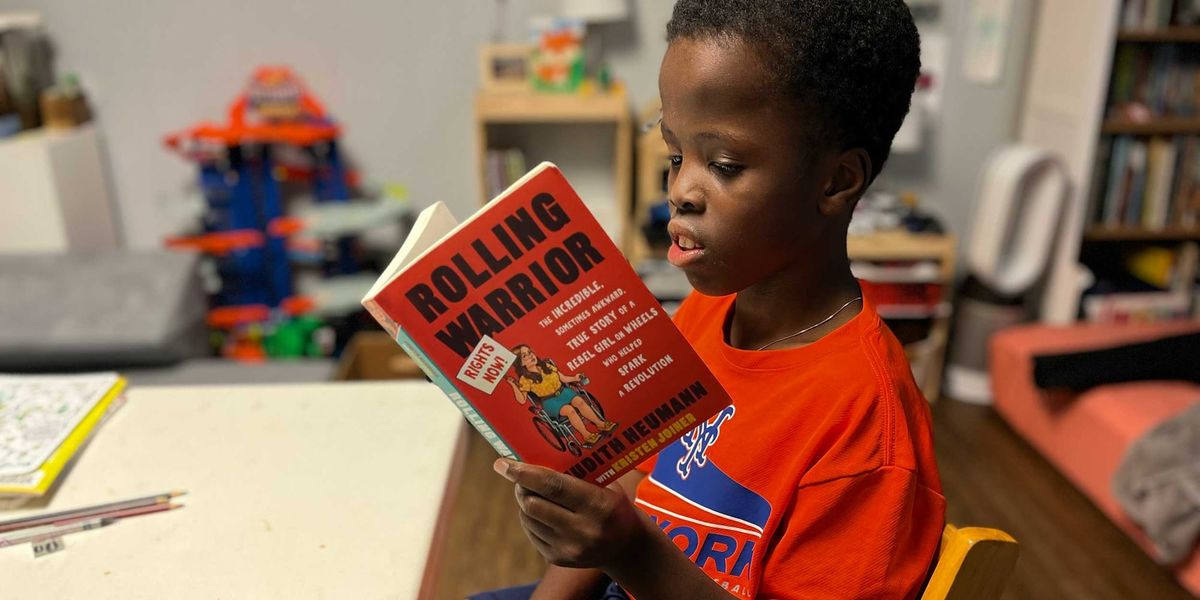
Driven by a desire to introduce readers to impactful literature, the family has curated a selection of top disability-themed books categorized by age groups. Sourced from hundreds of titles read over the years, these selections aim to highlight stories that serve as both "windows" to understand other perspectives and "mirrors" to reflect lived experiences—a critical category long underserved in children’s literature for disabled youth.
Early Childhood Picture Books
Leading the early childhood category is What Happened to You? by James Catchpole. Having followed the author via social media, the reviewers welcomed the book’s 2023 release in the United States. The narrative directly addresses the unspoken, everyday experiences of disabled children encountering ingrained ableism through its main character, Joe. Reviewers praised the book for giving clear language to complex social dynamics that many children and families struggle to articulate.

Marilyn Singer’s Best Day Ever offers an upbeat, accessible story centered around a puppy and a boy who uses a wheelchair, illustrated by Leah Nixon. The book achieves positive disability representation naturally, without explicitly framing the narrative around a medical diagnosis, thereby helping to bridge the gap in providing authentic mirrors for young readers.
Rounding out the early childhood selections are Jordan Scott’s award-winning I Talk Like a River, which explores a boy’s experience with a stutter through poetic text and illustration, and Annette Bay Pimentel’s All the Way to the Top. The latter provides an illustrated biographical look at Jennifer Keelan-Chaffins and her participation in the historic Capitol Crawl, offering young readers a vital entry point into disability history through the lens of a child making a tangible difference.
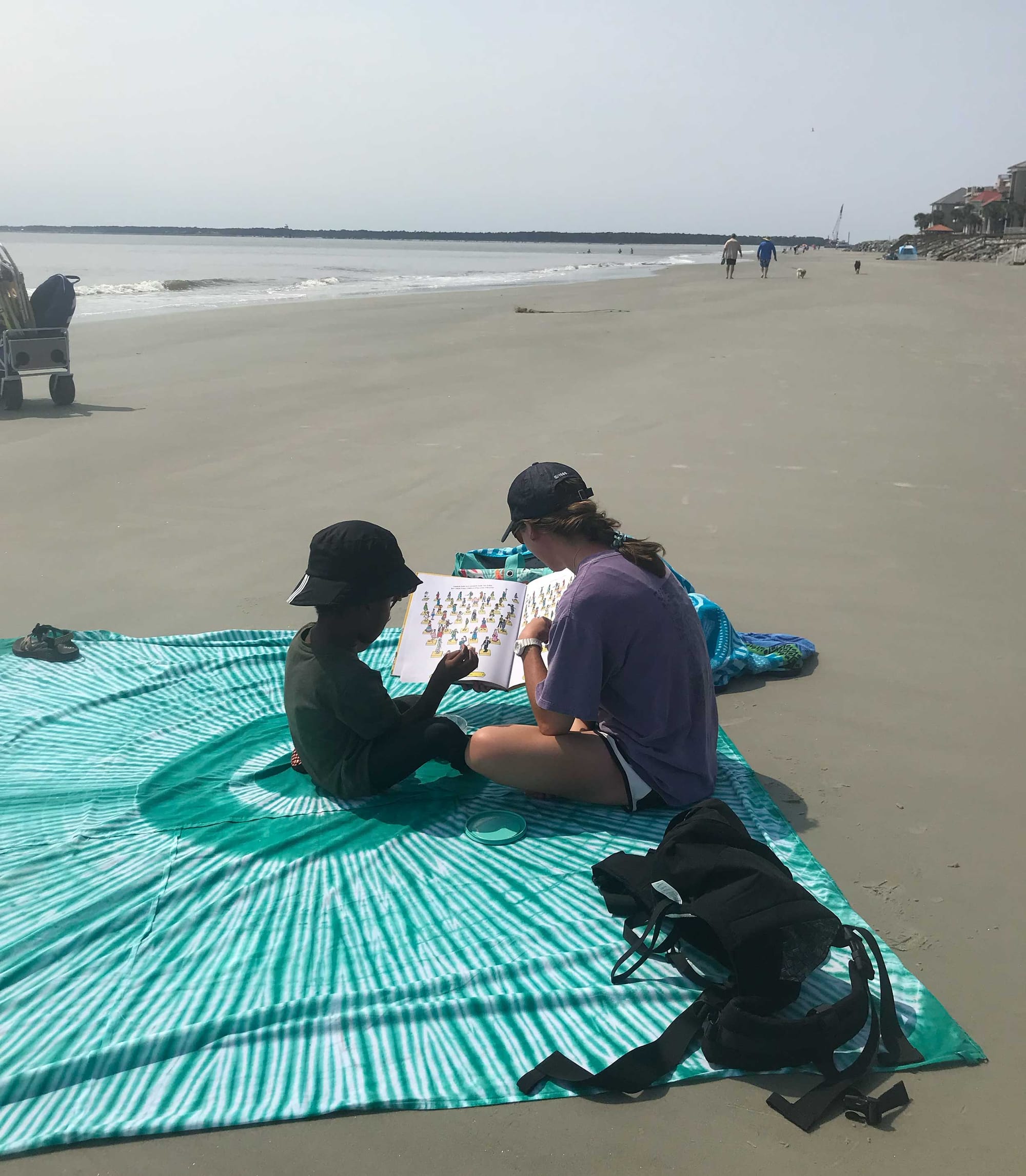
Middle Grade Novels
For older children, Dusti Bowling’s Insignificant Events in the Life of a Cactus emerges as a household favorite. The story follows Aven, who was born without arms, as she navigates a new school, humor, mystery, and friendship alongside peers with distinct life experiences, including Tourette Syndrome. Reviewers noted that the book provides a realistic and refreshing portrayal where a character’s disability is part of the narrative without defining the entirety of her existence.
Rob Harrell’s Wink draws on the author’s own childhood experiences with a rare form of eye cancer. The protagonist, Ross, faces a middle-school diagnosis while attempting to navigate social hurdles, music, and day-to-day life. The novel resonates deeply with readers who may feel outside the typical middle-school mold.
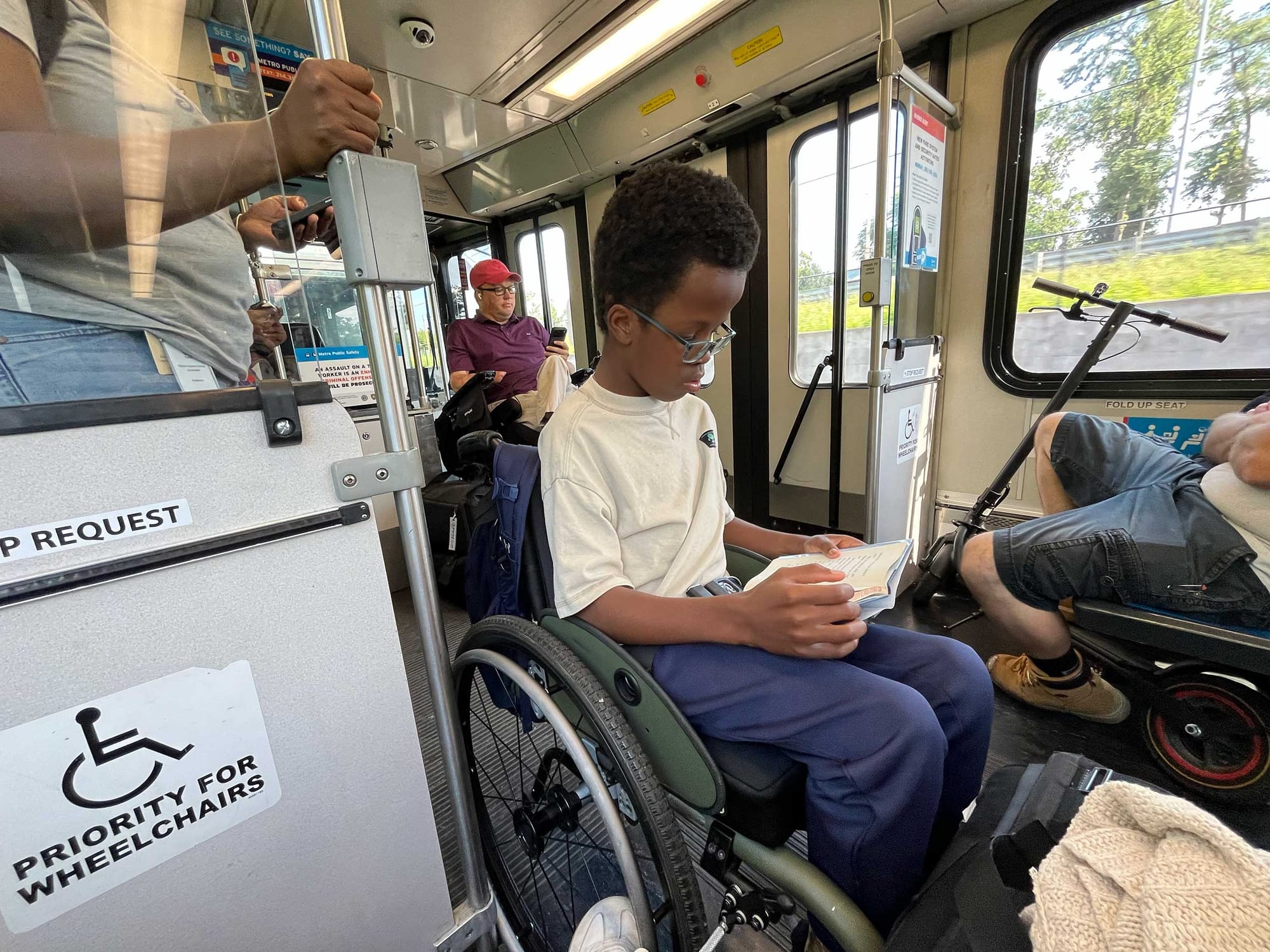
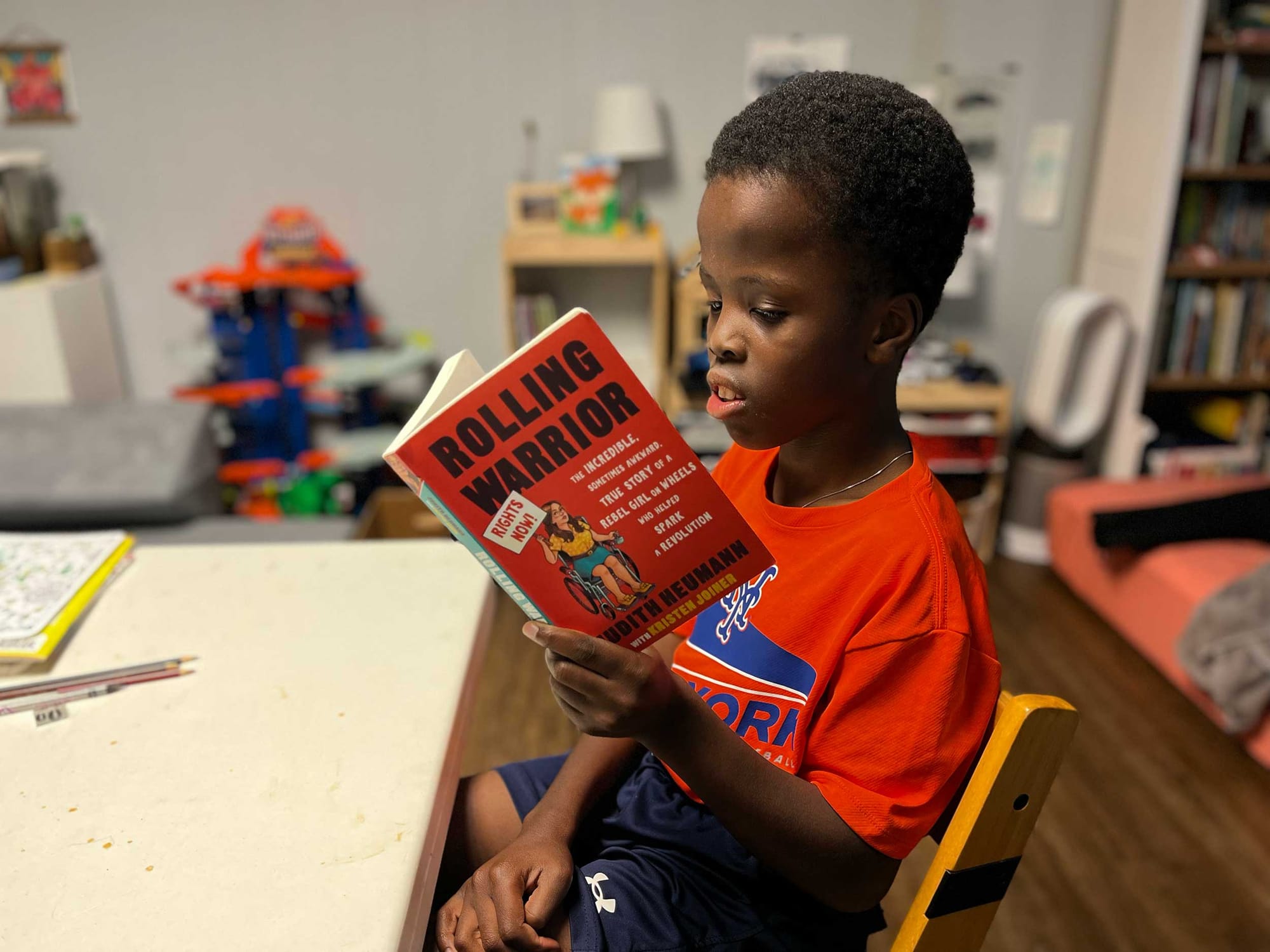
Also featured in the middle-grade bracket is Rolling Warrior by Judith Heumann and Kristen Joiner, an adaptation of Heumann’s autobiography tailored for younger audiences. The book documents the persistence and activism of a pioneering figure in the disability rights movement. It is complemented by Cerrie Burnell’s I Am Not a Label, which profiles more than thirty disabled artists, thinkers, performers, and activists to expand the scope of role models available to developing readers.
Titles for Young Adults and Adults
For mature readers, Rebekah Taussig’s memoir-in-essays, Sitting Pretty, offers a nuanced look at disability within personal and societal contexts. Taussig’s writing avoids overly glossed optimism, instead presenting a grounded perspective that encourages readers to reexamine their own views on accessibility and the human experience.
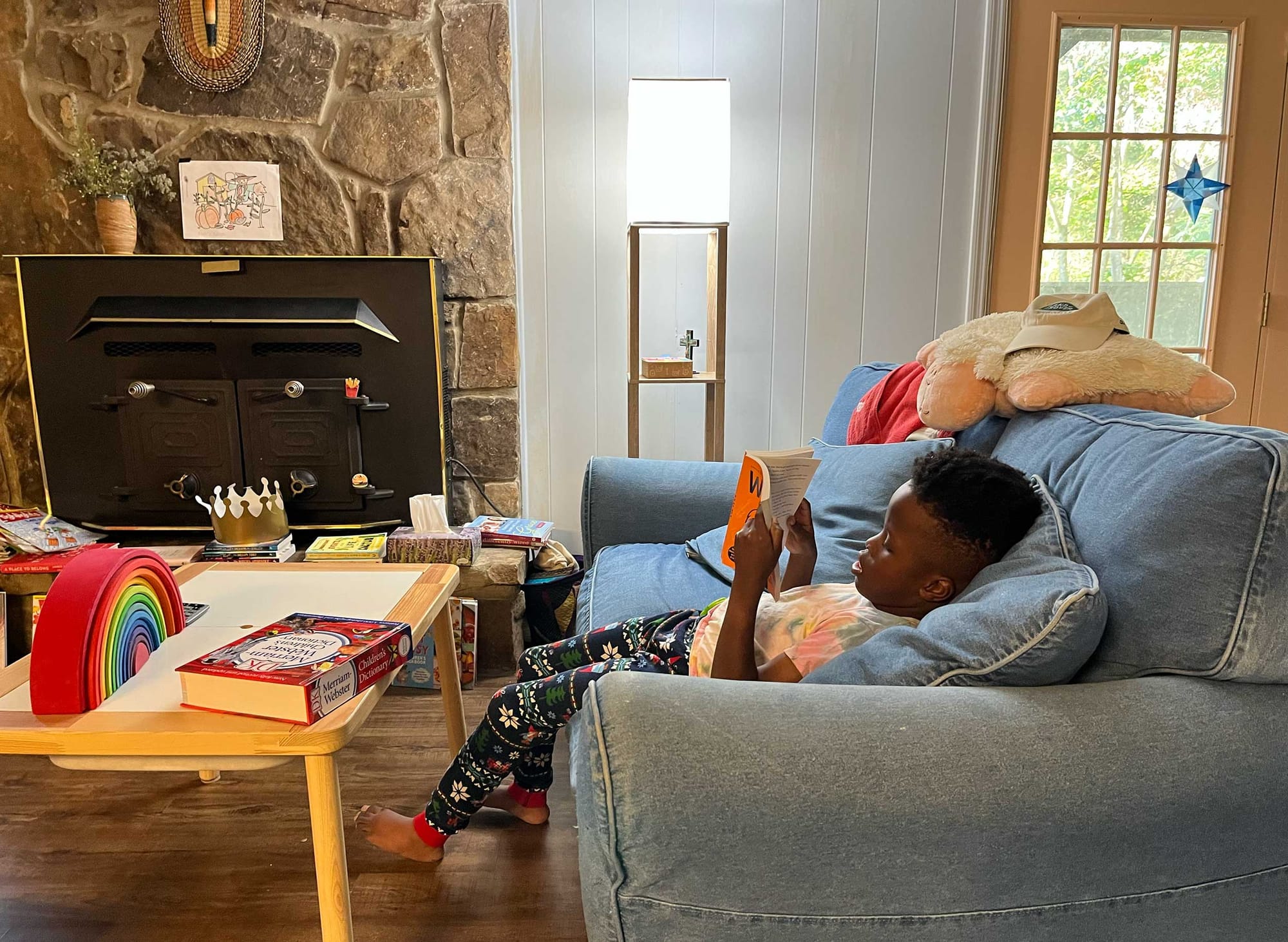
Ariel Henley’s A Face for Picasso provides a raw, thought-provoking examination of growing up with Crouzon Syndrome, a condition involving the premature fusion of cranial bones. Henley explores identity and societal beauty standards with bold honesty, challenging underlying cultural assumptions.
The collection also highlights autobiographical works by prominent advocates, including Being Heumann: An Unrepentant Memoir of a Disability Rights Activist by Judith Heumann with Kristen Joiner. Often described as a foundational figure in the modern disability rights movement, Heumann details her involvement in historical milestones ranging from the historic 504 Sit-In and the passage of the Americans with Disabilities Act to her tenure as Special Advisor on Disability Rights for the U.S. State Department under the Obama administration.
Concluding the adult reading list is Haben: The Deafblind Woman who Conquered Harvard Law by Haben Girma. The memoir chronicles Girma’s life and educational journey, emphasizing her adaptation, self-advocacy, and perspective on utilizing disability as a catalyst for innovation rather than framing existence merely as a series of obstacles to overcome.
In addition to literary recommendations, the newsletter reminds readers exploring public library systems to inquire about secondary cardholder benefits. Beyond borrowing privileges, many municipal libraries across the United States offer cardholders access to free or discounted admission tickets for local museums, cultural institutions, and regional attractions.



