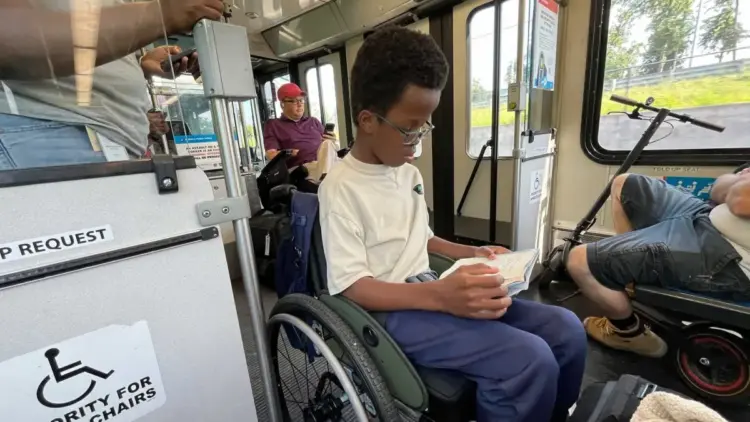
While regular programming for the Wheelchair Travel newsletter takes a brief pause this week as John leads group trips across Europe, readers have plenty to look forward to. Upon his return, John is set to announce an all-new Summer 2027 tour, keeping the travel community engaged and looking ahead to future adventures. In the meantime, the publication is turning its attention to an integral part of any journey: the literature that accompanies travelers through airport delays, long waits at boarding gates, and peaceful hours spent on trains.
For frequent travelers, downtime is an inevitable part of the itinerary. Whether waiting for a delayed flight or watching the countryside roll past from a train window, these moments offer an ideal opportunity to dive into a good book. As part of ongoing work exploring boredom busters for young travelers, reading remains a top recommendation for families on the move. Within the editorial household, books are a nightly staple and a community cornerstone, highlighted by a five-year membership in a local book club among close friends.
This deep appreciation for literature recently found a new home base in St. Louis, where the grand architecture and historic halls of the St. Louis Central Library embody the ideal atmosphere for book lovers. Etched into the exterior of the building are timeless reflections on the written word, including a notable quote by industrialist and philanthropist Andrew Carnegie: "I choose free libraries as the best agencies for improving the masses of the people because they only help those who help themselves. They never pauperize. A taste for reading drives our lower tastes."
Inspired by this literary environment and a lifelong passion for sharing impactful stories, the newsletter has curated a selective list of essential disability-focused literature. Spanning hundreds of books read over the years, the selection highlights top titles divided into loose age groupings, offering both "mirrors" that reflect lived experiences and "windows" that provide insight into new perspectives.
Early Childhood Picture Books
Introducing young children to diverse narratives helps build empathy and self-awareness from an early age. Among early childhood picture books, several titles stand out for their honest and engaging portrayal of disability.
James Catchpole’s What Happened to You?, released in the United States in 2023, addresses an unspoken experience familiar to many disabled children. Through the main character, Joe, the book tackles the pervasive issue of ingrained ableism in a manner that young minds can readily grasp. The narrative provides a long-awaited vocabulary for concepts that many families experience but struggle to articulate.

Marilyn Singer’s Best Day Ever, illustrated by Leah Nixon, offers a lighthearted and upbeat story about a puppy devoted to her young owner, who happens to use a wheelchair. Providing disability representation without making it the central conflict, the book serves as a vital mirror for disabled children who have long faced a shortage of literature reflecting their daily lives.
Jordan Scott’s award-winning I Talk Like a River draws on the author’s personal experiences with a stutter. Following a boy who, with his father’s guidance, relates his speech pattern to the flow of a river, the book is celebrated for its poetic language and evocative illustrations. Its artistic depth encourages shared reading between generations.
Rounding out the early childhood category is Annette Bay Pimentel’s All the Way to the Top, an illustrated biography of disability rights activist Jennifer Keelan-Chaffins. Chronicling Jennifer’s participation in the historic Capitol Crawl as a child, the book introduces young readers to the disability rights movement through the lens of a peer who proved that individuals of any age can contribute to a more accessible world.
Middle Grade Novels
As readers transition into middle grade novels, stories begin to explore complex themes of identity, friendship, and resilience with greater nuance.
Dusti Bowling’s Insignificant Events in the Life of a Cactus follows Aven, a protagonist born without arms who moves with her family to a new state. The novel weaves humor, mystery, and personal growth alongside secondary themes of neurodivergence through Aven’s friend with Tourette Syndrome. Its realistic and multifaceted characterization has made it a favorite for repeated reading and family discussion.
Rob Harrell’s Wink draws directly from the author’s childhood diagnosis with a rare form of eye cancer. The protagonist, Ross, attempts to navigate the trials of middle school following his diagnosis, offering a quirky, music-filled narrative that resonates with anyone who has ever felt outside the standard mold.
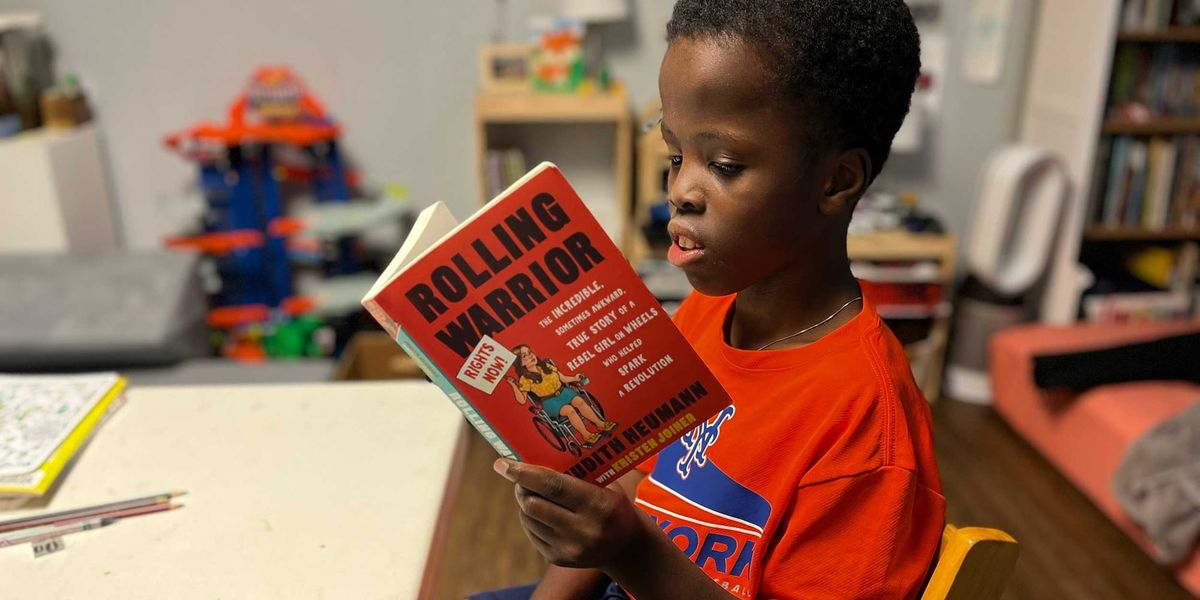
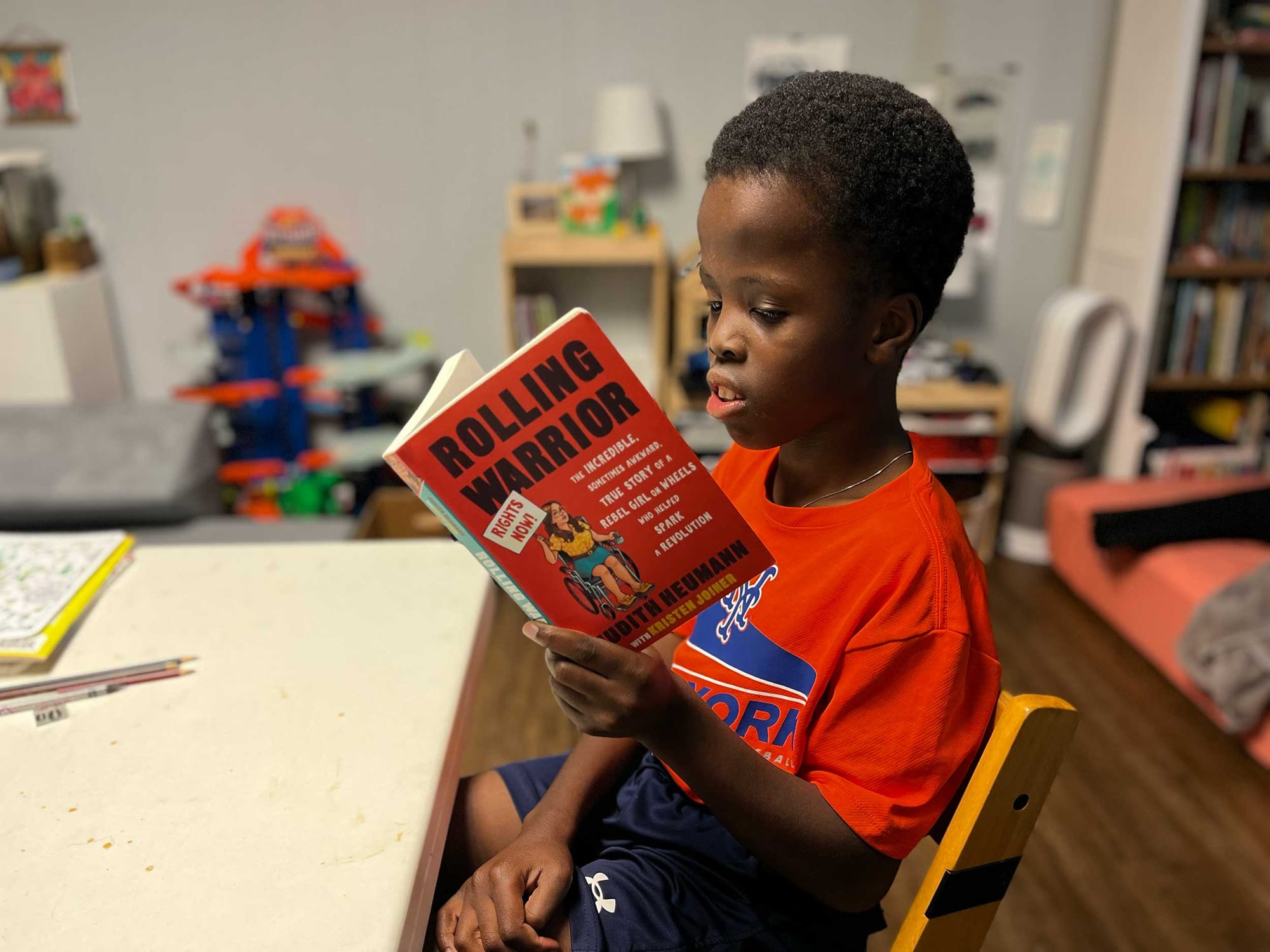
Judith Heumann and Kristen Joiner’s Rolling Warrior adapts Heumann’s pioneering autobiography for younger readers. Subtitled The Incredible, Sometimes Awkward, True Story of a Rebel Girl on Wheels Who Helped Spark a Revolution, the memoir offers an authentic glimpse into the history of the disability rights movement through the eyes of a fierce advocate.
Cerrie Burnell’s I Am Not a Label profiles more than 30 disabled artists, thinkers, performers, and activists. By pushing back against limiting stereotypes, the book expands the horizon of possibilities for young readers, providing role models who demonstrate that extraordinary achievements are within reach.
Titles for Young Adults and Adults
For mature readers, memoirs and essays offer deeper reflections on society, identity, and the historical struggle for civil rights.
Rebekah Taussig’s Sitting Pretty utilizes a series of thoughtful essays to examine disability on both a personal level and within the broader context of society. Taussig’s writing maintains a balance of unflinching reality and grounded hope, prompting readers to reexamine their own perceptions of the human experience.
Ariel Henley’s A Face for Picasso presents a raw and poignant account of growing up with Crouzon Syndrome, a condition involving the premature fusion of cranial bones. Henley explores themes of beauty and identity below the surface level, challenging underlying societal assumptions with bold honesty.
Judith Heumann’s Being Heumann: An Unrepentant Memoir of a Disability Rights Activist, written with Kristen Joiner, details the life of a central figure in the disability rights movement. From the historic 504 Sit-In and the passage of the Americans with Disabilities Act to serving as Special Advisor on Disability Rights for the U.S. State Department under the Obama administration, Heumann provides an unvarnished historical account of advocacy and perseverance.
Haben Girma’s Haben: The Deafblind Woman who Conquered Harvard Law chronicles the author’s journey of adapting and advocating within a world that often lacks accommodation. Girma’s memoir highlights her childhood anecdotes and frames disability not as an obstacle to be overcome, but as a catalyst for innovation.
Beyond local bookstores and libraries, travelers are reminded that public library cards often provide added value extending beyond literature. Cardholders in communities across the country frequently gain access to free or discounted tickets for local museums and tourist attractions, offering budget-friendly enrichment opportunities for families both at home and on the road.