
Regularly scheduled editions of the Wheelchair Travel Newsletter will resume next week following the return of John Morris from leading group trips across Europe. Alongside the newsletter’s return, travelers can anticipate the announcement of a brand-new Summer 2027 tour.
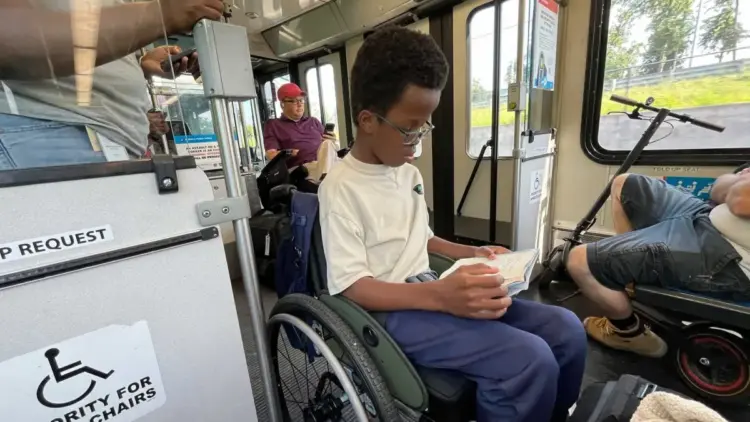
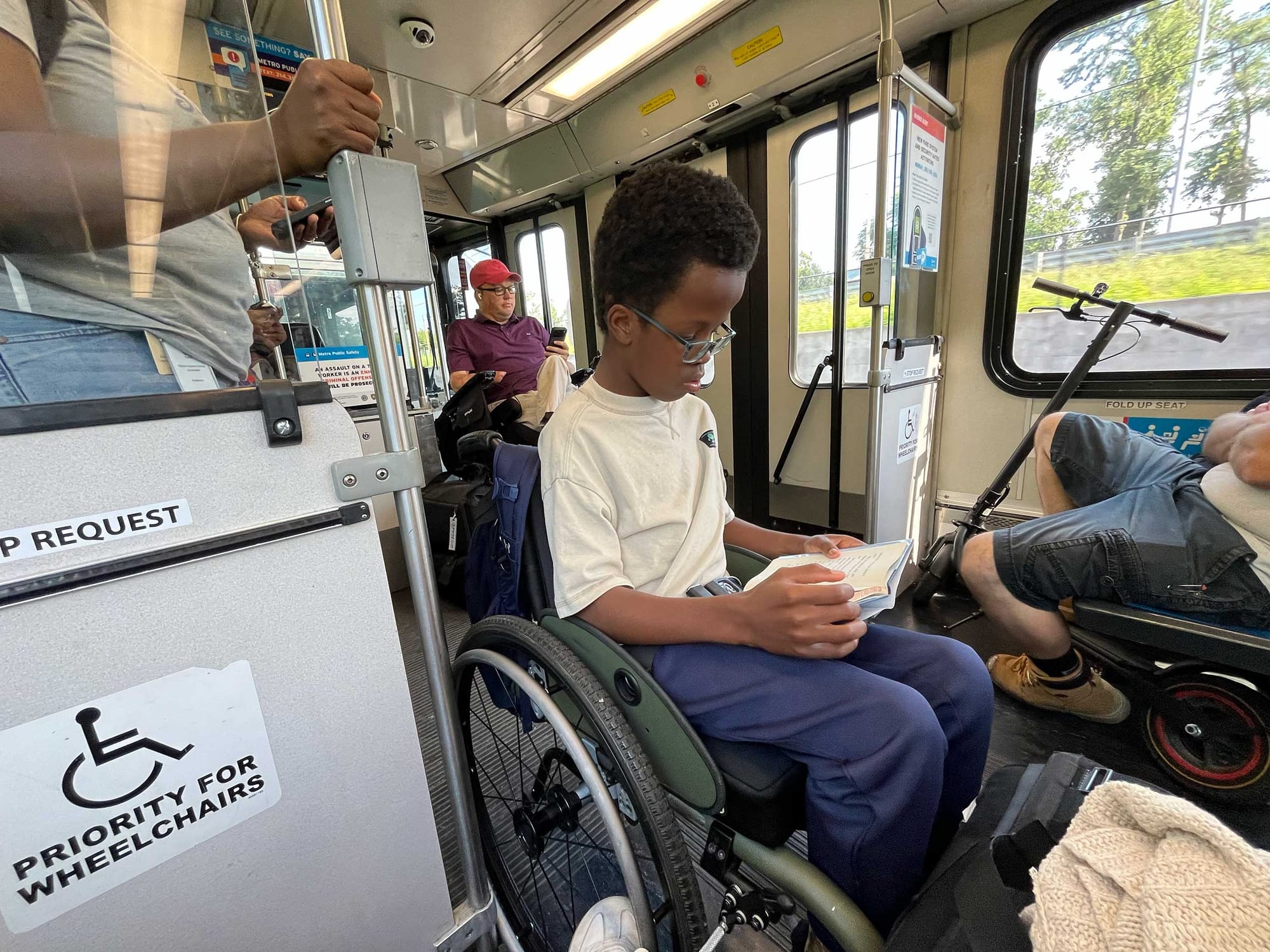
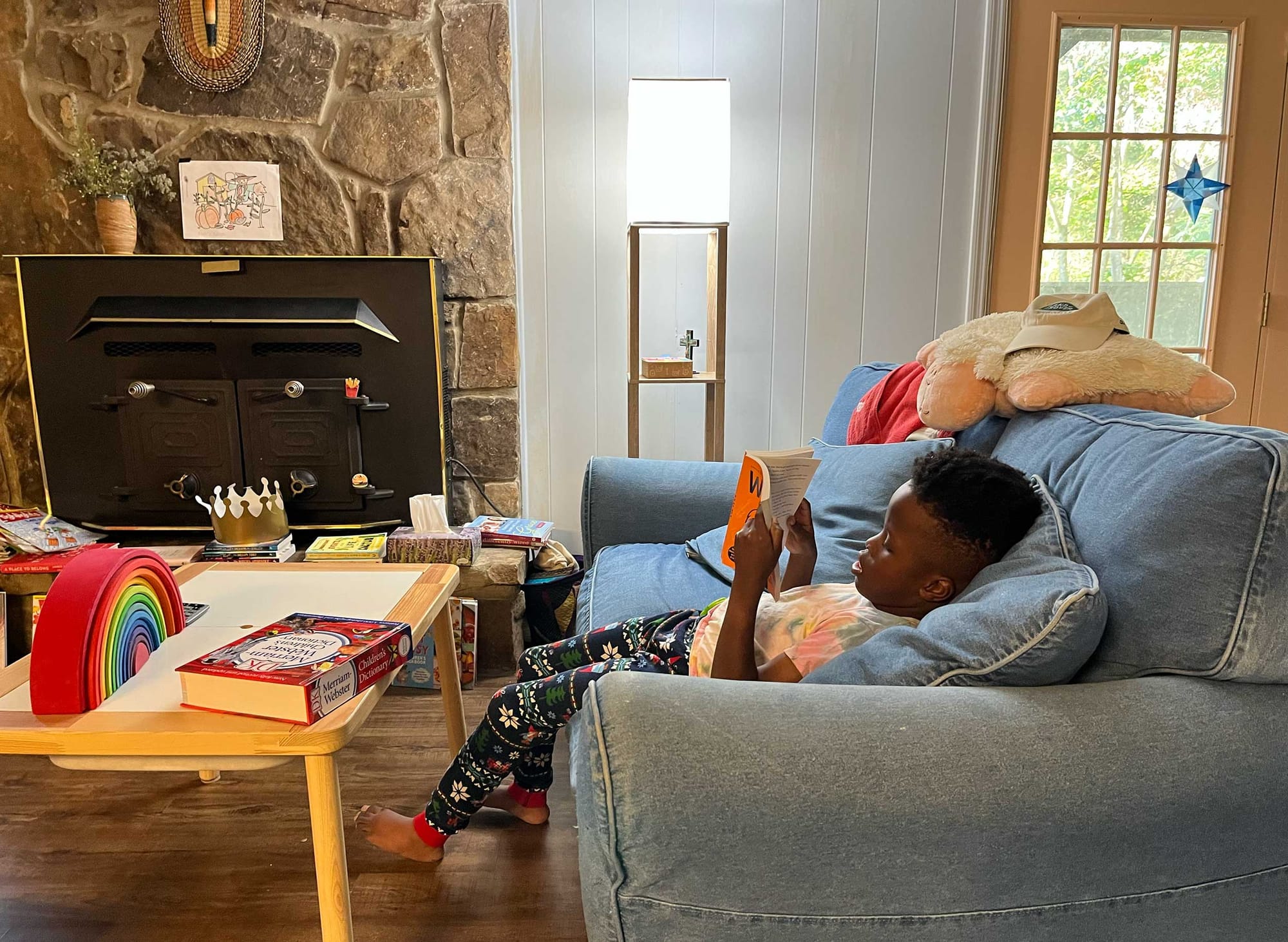
Periods spent navigating train systems, waiting at departure gates, and enduring air travel delays frequently present travelers with ideal windows for reading. Reading serves as a cornerstone activity for travel downtime, fitting seamlessly into journeys whether individuals are passing the time on public transit or managing unexpected schedule changes. Within the family behind the publication, reading is a daily habit. Family members engage in nightly reading routines and participate in long-standing book groups, emphasizing a deep-rooted appreciation for literature both at home and on the road.
The family’s recent relocation to St. Louis brought them to the city’s grand central public library, an architectural landmark featuring historic design elements and classic literary inscriptions. Among the engraved quotes adorning the exterior is a notable observation by Andrew Carnegie: “I choose free libraries as the best agencies for improving the masses of the people because they only help those who help themselves. They never pauperize. A taste for reading drives our lower tastes.”
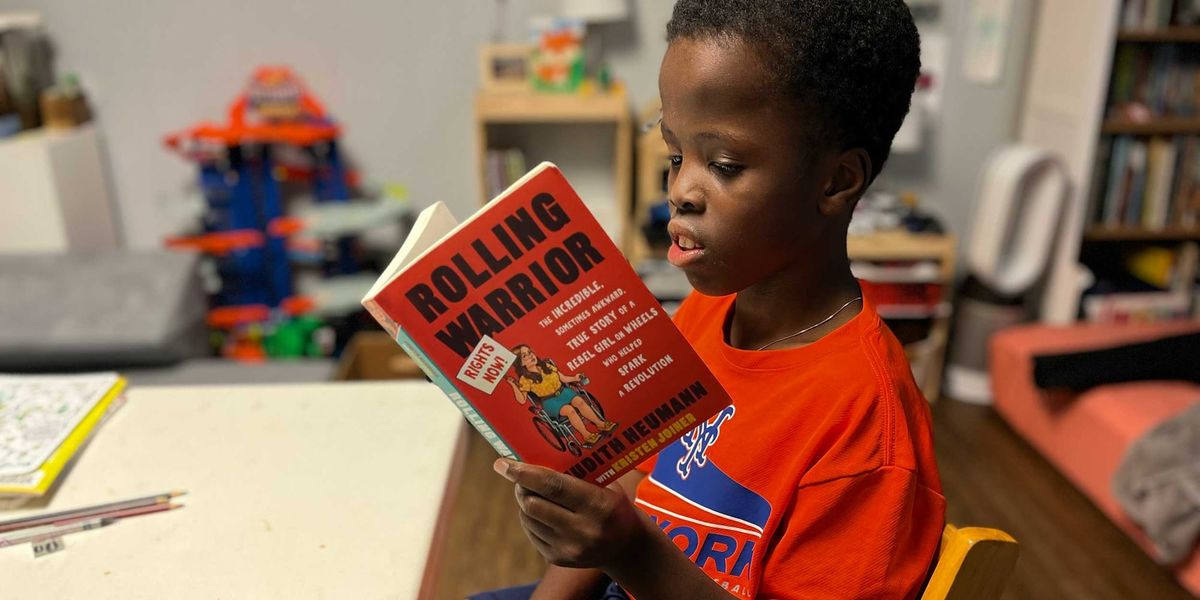
Motivated by a desire to introduce quality literature to broader audiences, the publication has curated a selection of prominent disability-focused titles. Drawing from hundreds of books read over the years, the curated selection highlights four essential works across three distinct age groups, beginning with early childhood picture books.
Early Childhood Picture Books
The selection for early childhood focuses on picture books that address lived experiences, representation, and advocacy in forms accessible to young readers.
What Happened to You? by James Catchpole addresses an unspoken experience familiar to many disabled children. Released in the United States in 2023, the book utilizes a main character named Joe to illustrate the pervasive issue of ingrained ableism in terms that children can readily grasp. The narrative provides clear language for situations many families previously struggled to articulate, offering a tool for discussing societal attitudes toward disability.

Best Day Ever by Marilyn Singer presents a straightforward, upbeat story about a puppy devoted to her young owner, who happens to use a wheelchair. Illustrated by Leah Nixon, the book offers disability representation without explicitly framing the narrative around the disability itself. This approach highlights the concept of books functioning as "mirrors" that reflect a reader’s own lived experience, filling a historical gap in children’s literature where disabled children rarely saw themselves centered in everyday stories.
I Talk Like a River by Jordan Scott follows a boy who, with his father’s guidance, comes to understand his stutter by comparing it to the natural flow of a river. The acclaimed book blends poetic text with expressive illustrations to portray the reality of a speech impediment in a wholesome manner. Its narrative style encourages intergenerational reading, making it a natural choice for families to explore together.
All the Way to the Top by Annette Bay Pimentel introduces young readers to disability history through an illustrated biography of Jennifer Keelan-Chaffins. Chronicling Jennifer’s participation in the historic Capitol Crawl as a child, the book weaves her personal journey together with the broader disability rights movement. The story emphasizes that children can actively contribute to making the world more accessible and impactful.
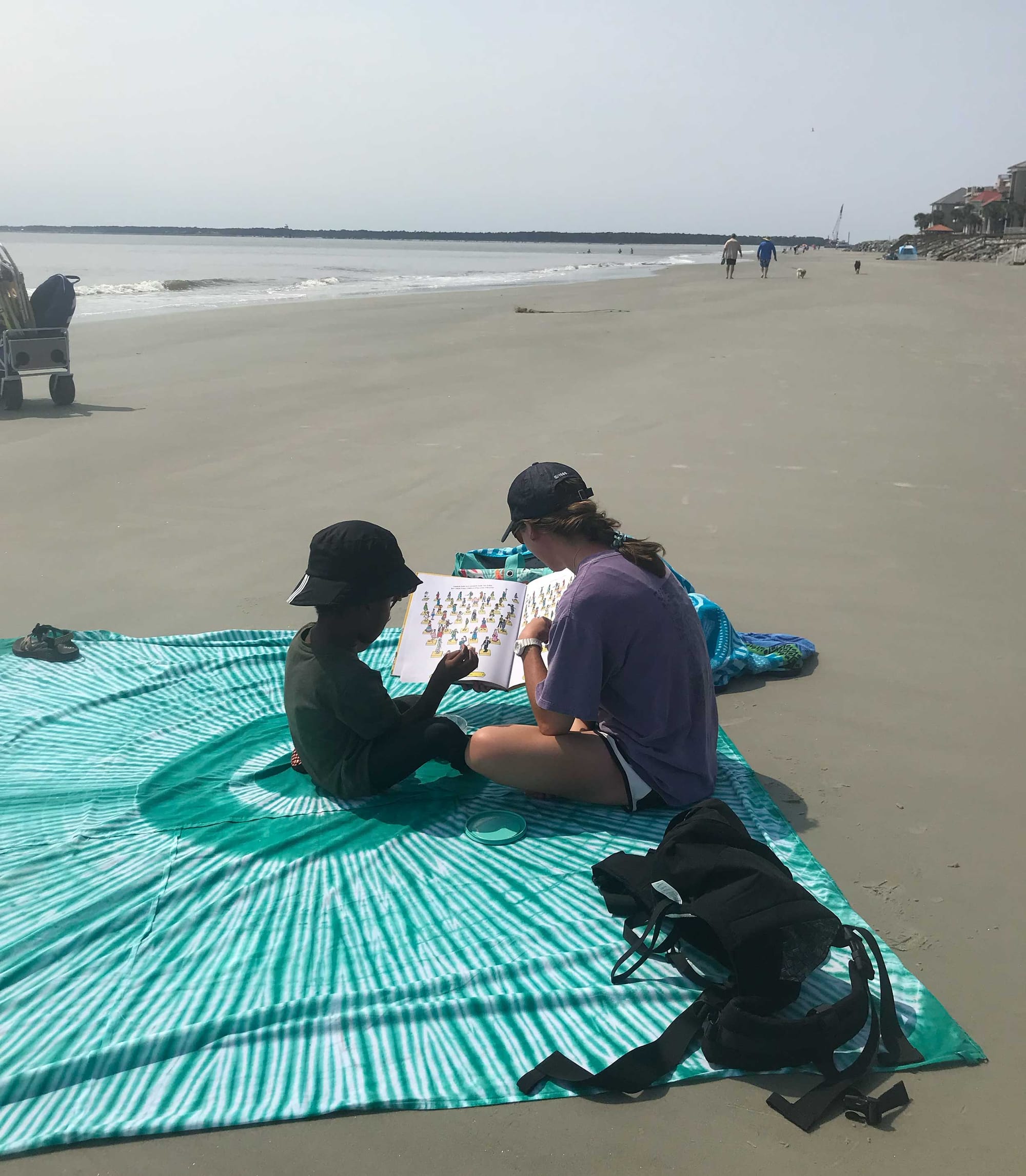
Middle Grade Novels
Transitioning to middle-grade readers, the selected titles explore complex themes of identity, friendship, and self-discovery through character-driven narratives.
Insignificant Events in the Life of a Cactus by Dusti Bowling serves as a favorite chapter book for young readers navigating middle school dynamics. The main character, Aven, was born without arms, though the narrative explores broader themes of humor, mystery, and friendship alongside a supporting character with Tourette Syndrome. The book provides a realistic and multi-dimensional portrayal of disability that prompts meaningful family discussions about representation.
Wink by Rob Harrell draws upon the author’s own childhood experiences with a rare form of eye cancer. The protagonist, Ross, attempts to navigate the social hurdles of middle school following a sudden diagnosis. The story blends humor, music, and relatable challenges, resonating with readers who may feel outside the standard middle-school mold.
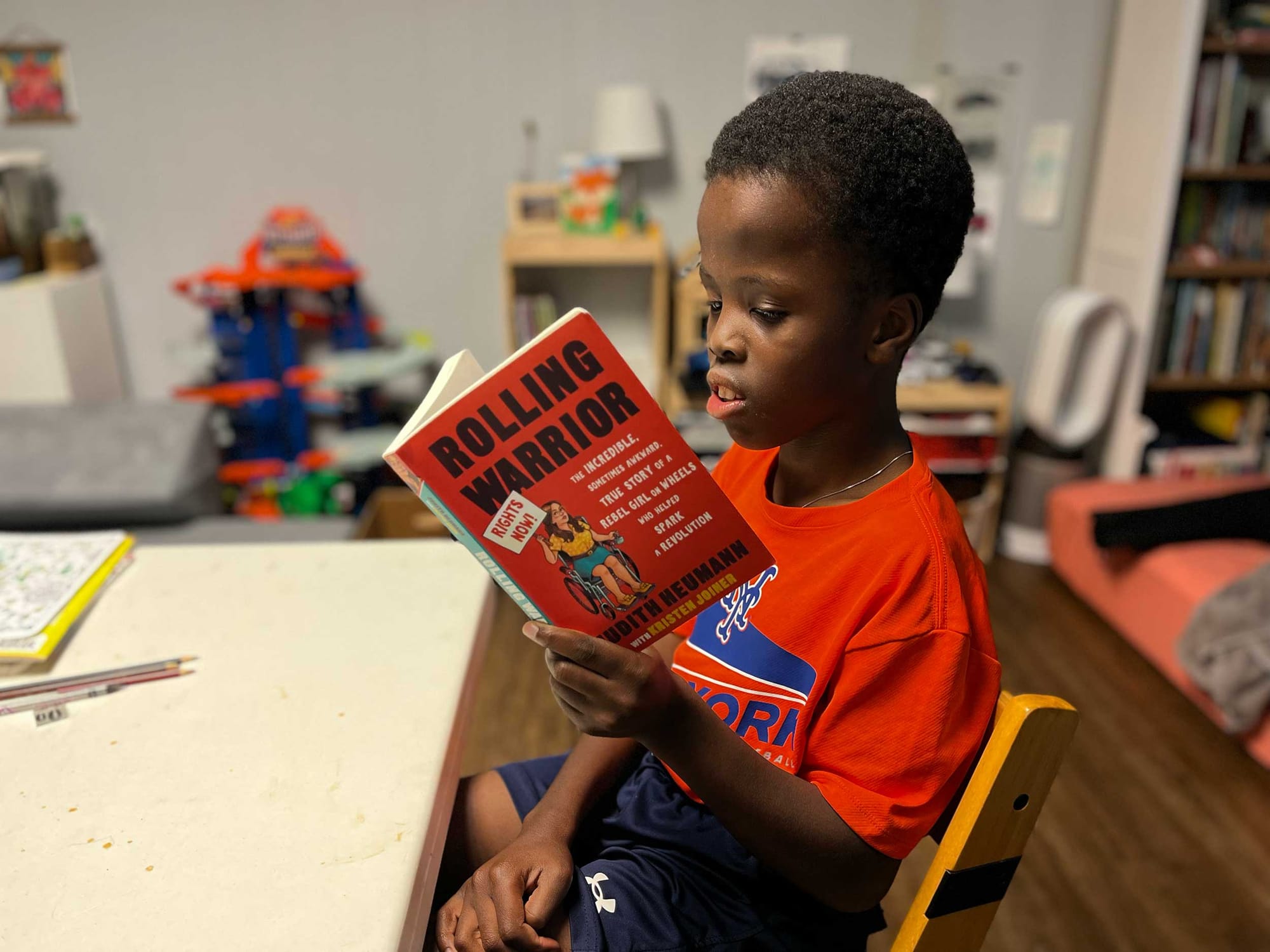
Rolling Warrior by Judith Heumann and Kristen Joiner adapts an essential adult memoir for a younger audience, detailing the early life and activism of Judy Heumann. The book chronicles the barriers faced by disabled individuals during the formative years of the disability rights movement. Through personal anecdotes, the memoir encourages a sense of shared identity and inspires readers to recognize their own capacity for advocacy.
I Am Not a Label by Cerrie Burnell presents short profiles of more than 30 disabled artists, thinkers, performers, and activists. The collection counters historical tendencies to pigeonhole individuals with diagnoses into limited life paths, offering diverse role models and encouraging young readers to imagine expansive futures for themselves.
Titles for Young Adults and Adults
For mature readers, memoirs and autobiographies provide deeper exploration into systemic barriers, personal identity, and the history of civil rights advocacy.
Sitting Pretty by Rebekah Taussig offers a collection of personal essays examining disability through both individual and societal lenses. The narrative avoids oversimplified narratives, addressing the realities of navigating an inaccessible world while maintaining a grounded, reflective perspective.
A Face for Picasso by Ariel Henley shares the author’s experiences growing up with Crouzon Syndrome, a condition involving the premature fusion of cranial bones. The memoir provides an unflinching look at identity, societal perceptions of beauty, and the internal processing required to navigate appearance-based stigma.
Being Heumann: An Unrepentant Memoir of a Disability Rights Activist by Judith Heumann with Kristen Joiner documents pivotal moments in modern civil rights history. Heumann, widely recognized as a foundational figure in the disability rights movement, recounts her involvement in the historic 504 Sit-In, the passage of the Americans with Disabilities Act, and her tenure as Special Advisor on Disability Rights for the U.S. State Department.
Haben: The Deafblind Woman who Conquered Harvard Law by Haben Girma examines the author’s journey through higher education and professional advocacy. Rather than framing success around overcoming a personal deficit, the memoir highlights the necessity of adapting systems to accommodate diverse needs and utilizing disability as a catalyst for innovation.
As readers explore these titles through local public libraries, travelers are also reminded that public library cards frequently unlock additional community benefits, such as free or discounted admission to local museums and cultural attractions.



