
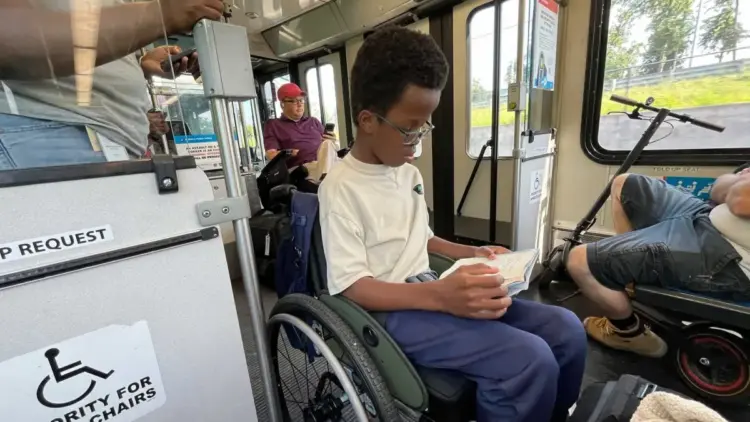
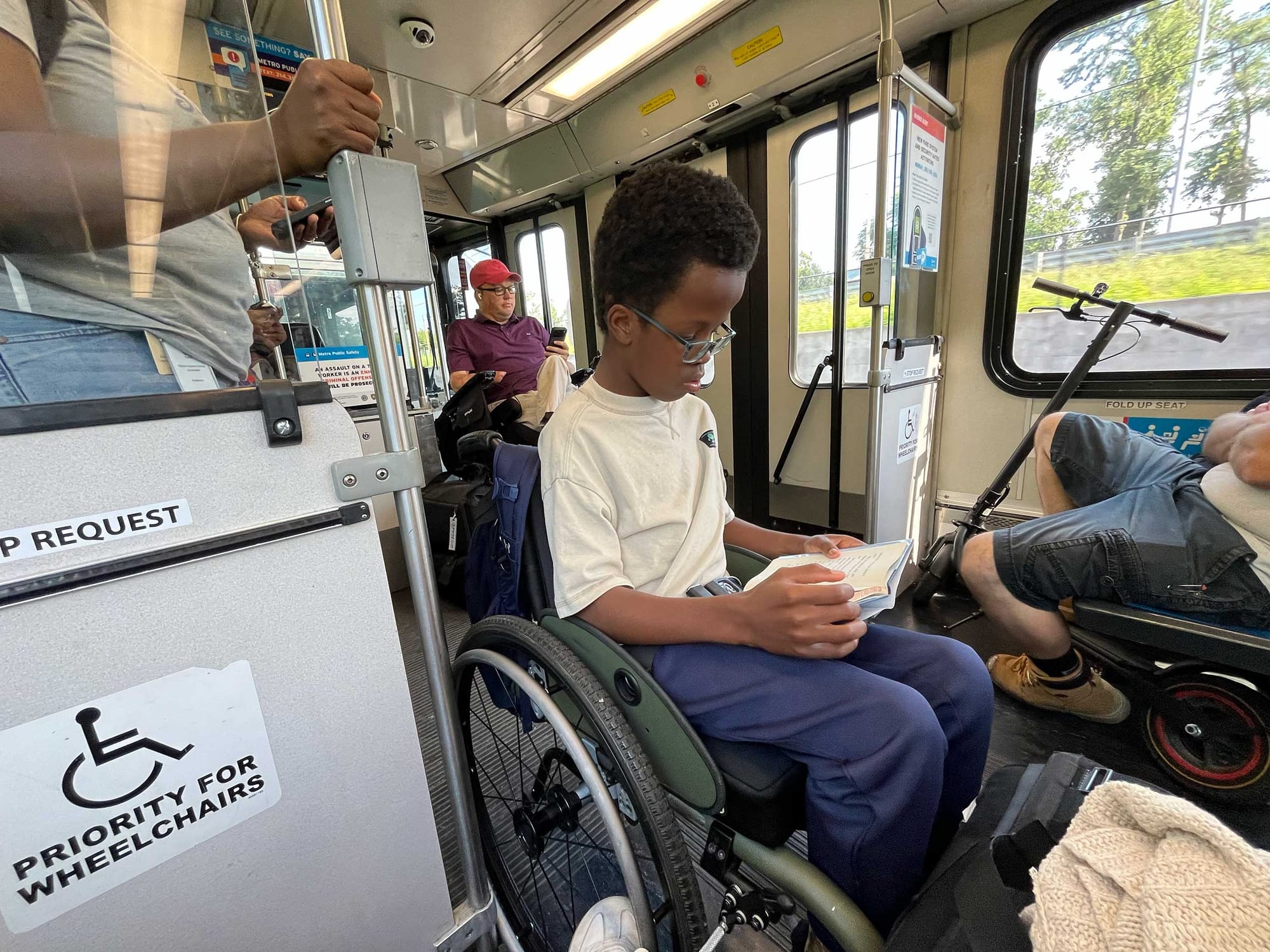
The Wheelchair Travel Newsletter will return to its regular schedule next week following the conclusion of group trips in Europe led by John, who is also preparing to announce a brand-new Summer 2027 tour upon his return. In the spirit of travel downtime—whether spent waiting at airport gates, riding on trains, or navigating unexpected transit delays—the publication has turned its focus to the literary world, highlighting the essential role that reading plays in family life and travel planning.
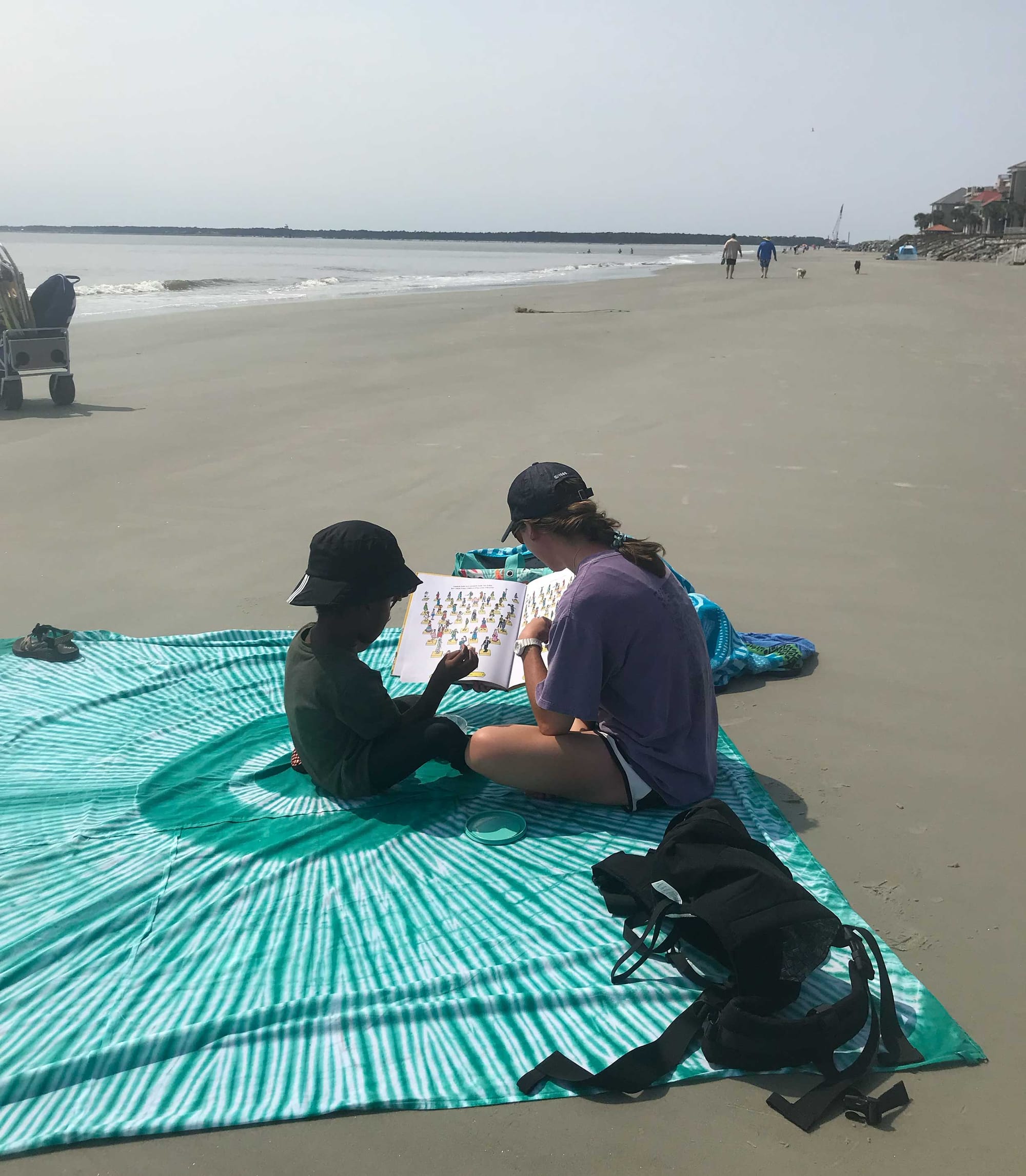
Amid ongoing work on features addressing boredom busters for young travelers, the importance of reading as a steadfast travel activity remains a central theme. Regular family reading habits extend into nightly routines and long-standing book club memberships with close friends, underscoring a deep-seated appreciation for literature. This literary focus recently found a physical home at the Saint Louis Central Library, a grand historic building that embodies the traditional atmosphere associated with collections of books. Inscribed around the exterior of the library are historical sentiments on the value of reading, including observations from Andrew Carnegie framing free libraries as vital community agencies that help individuals help themselves.
To share a passion for storytelling and representation, the family has curated a selection of top disability-literature books spanning early childhood, middle grade, and adult readerships. Selecting from hundreds of titles read over the years, the curated recommendations focus on works that serve as both windows into diverse human experiences and mirrors reflecting lived realities.
Early Childhood Picture Books
Developing an inclusive bookshelf begins with early childhood literature that addresses ableism, disability representation, and historical movements in accessible ways.
What Happened to You? by James Catchpole brings an understated, grounding perspective to an experience shared by many disabled children. Drawing on years of observation through social media and his 2023 US release, Catchpole utilizes his main character, Joe, to articulate the subtle and overwhelming impacts of ingrained ableism. The narrative provides young readers and families with clear language to address questions and interactions that often go unnamed, complemented by additional works from James and Lucy Catchpole.
Best Day Ever by Marilyn Singer offers a vibrant, upbeat story centered on a puppy devoted to its young owner, who happens to use a wheelchair. Illustrated by Leah Nixon, the book delivers authentic disability representation without explicitly centering the narrative on the medical reality of the character. By functioning as a mirror for disabled children who have long faced a void of self-reflective literature, the book complements traditional window books that introduce external viewpoints.

I Talk Like a River by Jordan Scott addresses speech differences through the poignant relationship between a boy and his father, who draws parallels between a stutter and the flow of a river. Acclaimed for its poetic text and striking illustrations, Scott’s artistic rendering of his own childhood experiences provides a wholesome, realistic narrative that resonates across generations, making it well-suited for shared reading.
All the Way to the Top by Annette Bay Pimentel introduces young readers to disability history through an illustrated biography of Jennifer Keelan-Chaffins. Chronicling Jennifer’s participation in the historic Capitol Crawl and her involvement in the broader disability rights movement, the book highlights the capacity of children to effect meaningful change and contribute to a more accessible world.
Middle Grade Novels
As readers transition into middle-grade chapters, narratives begin to explore complex themes of identity, humor, friendship, and self-discovery.
Insignificant Events in the Life of a Cactus by Dusti Bowling follows Aven, a protagonist born without arms whose family relocates to a new state. Featuring a blend of humor, mystery, and a supporting cast that includes a friend with Tourette Syndrome, the novel explores disability as a facet of a dynamic character rather than the sole defining trait. The book has resonated deeply with young readers, offering a springboard for familial discussions regarding the nuances of literary representation.
Wink by Rob Harrell draws directly from the author’s early life experiences with a rare form of eye cancer. The protagonist, Ross, attempts to navigate the social complexities of middle school following a sudden diagnosis, blending quirkiness, music, and personal reflection. The story provides relatable themes for any young reader who has felt outside the conventional middle-school mold.
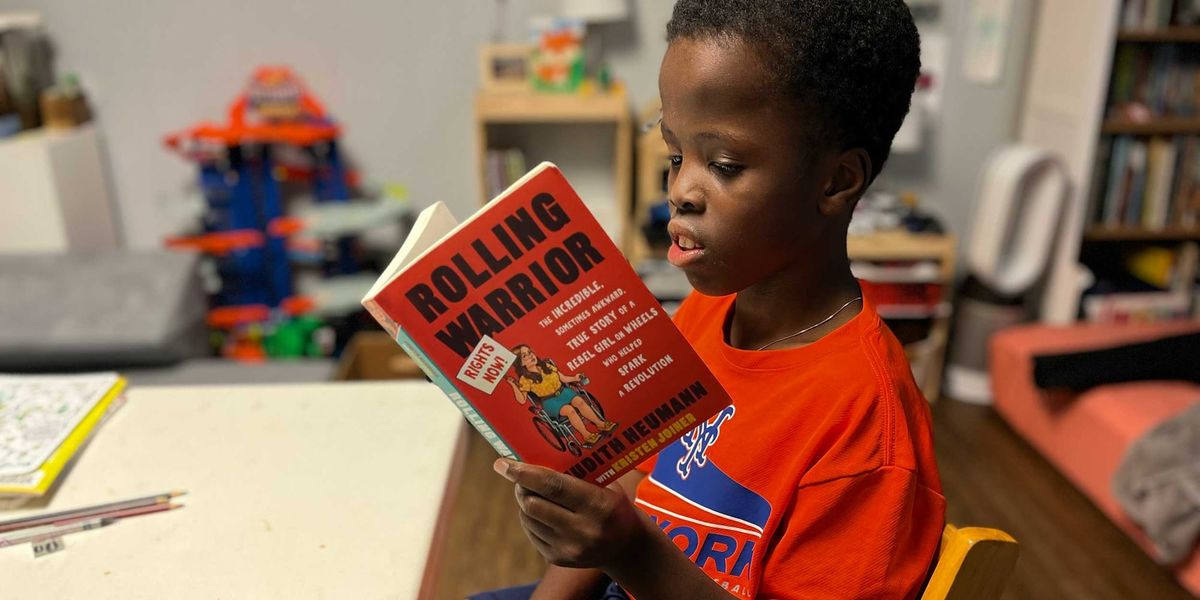
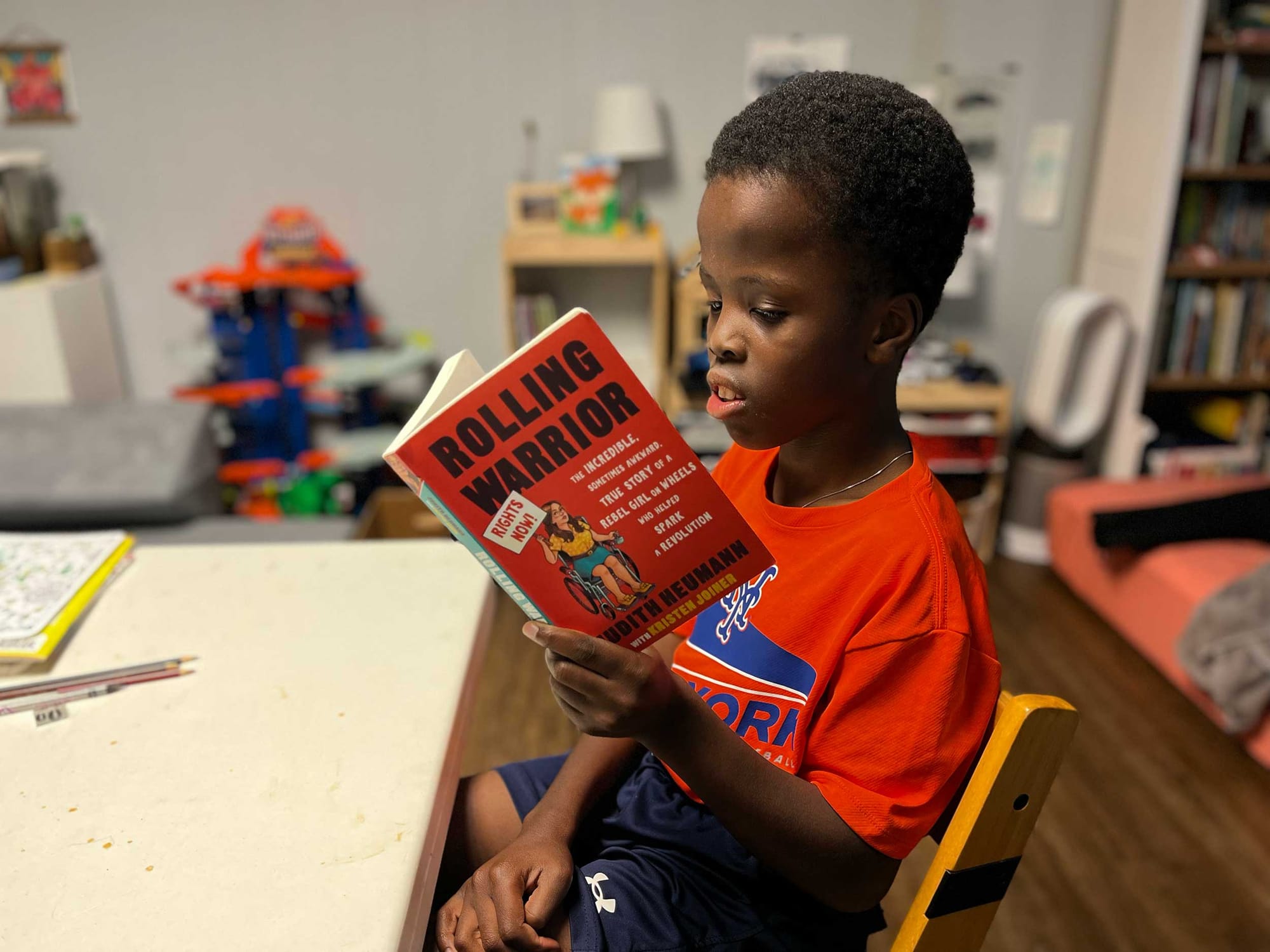
Rolling Warrior by Judith Heumann and Kristen Joiner adapts an essential autobiography for a younger audience, chronicling the early life of a foundational activist. Subtitled The Incredible, Sometimes Awkward, True Story of a Rebel Girl on Wheels Who Helped Spark a Revolution, the memoir offers firsthand insight into the historical barriers faced by the disability community and invites readers into a shared sense of identity and advocacy.
I Am Not a Label by Cerrie Burnell expands the scope of representation by profiling more than thirty disabled artists, thinkers, performers, and activists. By challenging pigeonholed narratives often applied to children with diagnoses, the collection provides tangible role models and encourages imagination and ambition among young readers.
Titles for Young Adults and Adults
For mature audiences, memoirs and essay collections offer deeper examinations of systemic barriers, personal identity, and the broader social landscape of disability.
Sitting Pretty by Rebekah Taussig presents a collection of essays that unpack disability through personal reflection and broader cultural critique. Taussig’s writing balances stark reality with unvarnished hope, prompting readers to re-examine their own perceptions of the human experience.
A Face for Picasso by Ariel Henley delivers a raw and thought-provoking memoir detailing the author’s experiences growing up with Crouzon Syndrome, a condition involving the premature fusion of cranial bones. Henley’s narrative examines identity, societal beauty standards, and self-acceptance with bold honesty.
Being Heumann: An Unrepentant Memoir of a Disability Rights Activist by Judith Heumann with Kristen Joiner chronicles the life of a central figure in the modern disability rights movement. From organizing the historic 504 Sit-In and advocating for the passage of the Americans with Disabilities Act to serving as the Special Advisor on Disability Rights for the U.S. State Department under the Obama administration, Heumann provides an unflinching, detailed account of major historical milestones.
Haben: The Deafblind Woman who Conquered Harvard Law by Haben Girma details the author’s journey of adaptation, advocacy, and innovation in academic and professional spaces that frequently lack structural accommodation. Through childhood anecdotes and reflections, Girma illustrates how navigating an inaccessible world can spark innovative approaches to modern life.
As readers explore these titles through local institutions like the Saint Louis Public Library, advocates remind travelers to check their local library cards for additional community benefits, which often include free or discounted admission to regional museums, cultural centers, and tourist attractions.



