Readers of the Wheelchair Travel Newsletter can expect regular programming to resume next week following the return of John from leading group trips across Europe. Alongside this return, travelers and community members can look forward to the upcoming announcement of a brand-new Summer 2027 tour.
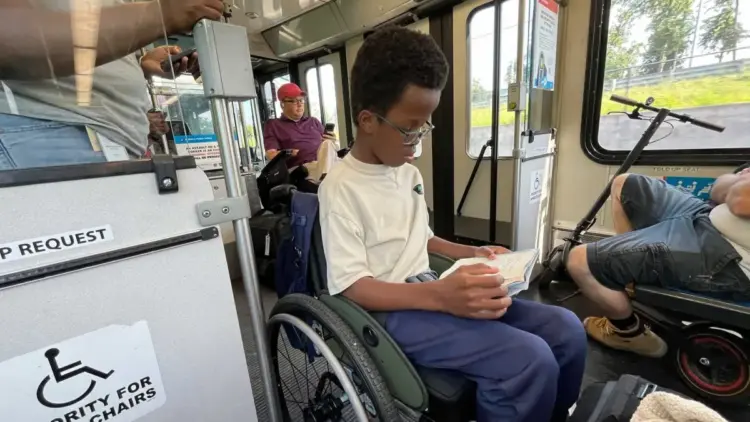
Whether navigating time spent on trains, waiting anxiously at departure gates, or weathering inevitable air travel delays, transit periods consistently offer unique opportunities for an engaging read. Literature remains a foundational element of travel and daily life for many families, serving as a reliable boredom buster during transit. Daily reading habits and long-standing book clubs reflect a deep-rooted appreciation for the written word, particularly within communities that value diverse perspectives and shared human experiences.
Transitioning into a new home base in St. Louis, the family recently discovered the city’s grand central library—a historic building that embodies the classic atmosphere of traditional literary spaces. Inscribed near the entrance are words from industrialist and philanthropist Andrew Carnegie, who noted that free libraries serve as exceptional agencies for uplifting communities by encouraging self-reliance and cultivating a lasting appreciation for reading that supersedes other pursuits.
Motivated by a desire to introduce meaningful books to wider audiences, a curated selection of top disability-focused literature has been compiled across three distinct age groups. Drawing from years of reading hundreds of titles, these selections highlight powerful narratives, historical milestones, and authentic representations of disability experiences.
Early Childhood Picture Books
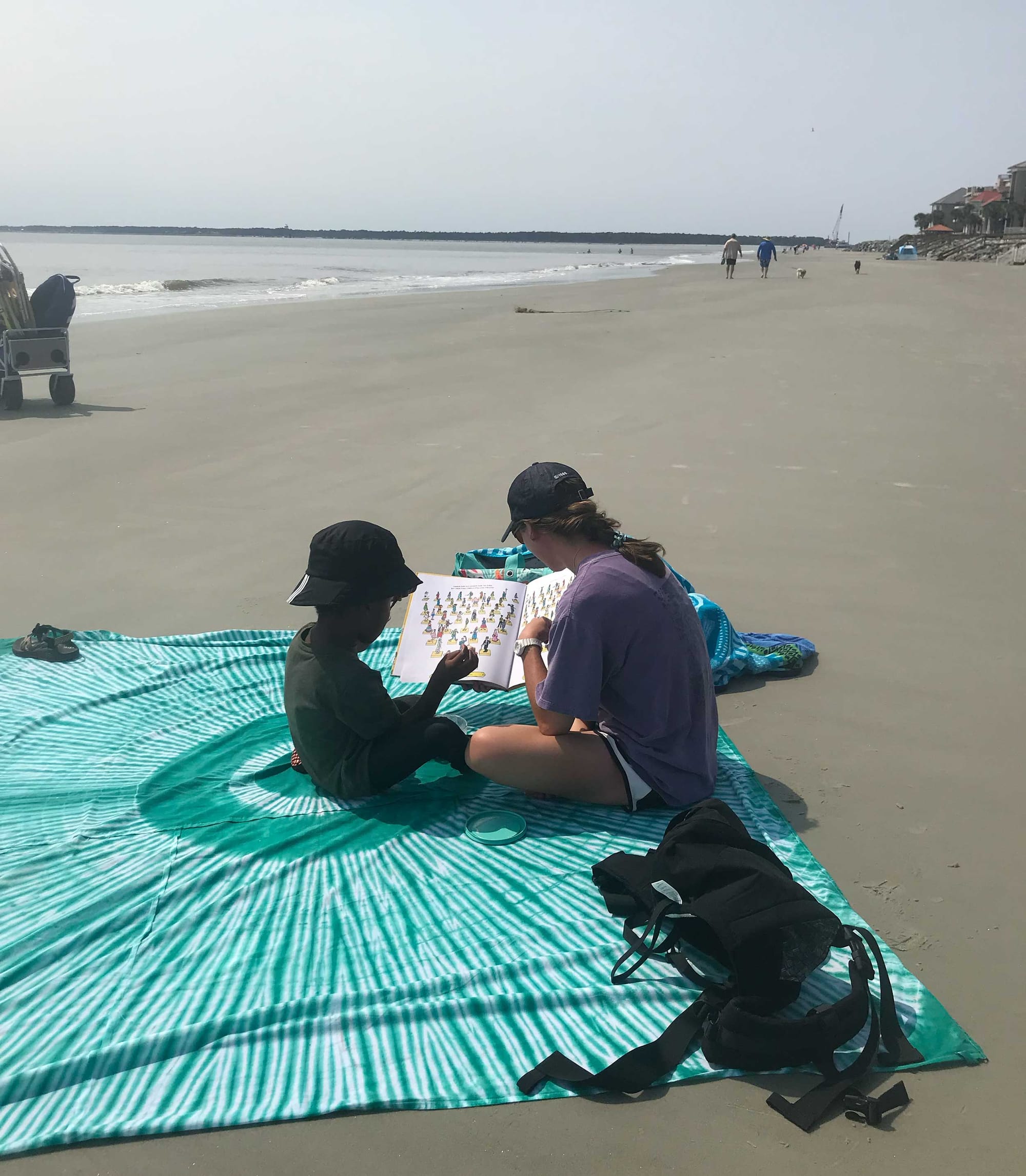
Introducing children to diverse perspectives early in life helps foster empathy, self-reflection, and a broader understanding of the world. Literature often functions either as a window into unfamiliar experiences or a mirror reflecting one’s own lived reality. While traditional children’s literature has frequently lacked mirrors for disabled children, recent years have seen meaningful progress in filling that gap.
Among the standout early childhood titles is What Happened to You? by James Catchpole. Having connected with the author’s work online for years, readers welcomed the 2023 United States release of his book. The story addresses the subtle yet pervasive presence of everyday ableism through the experiences of its main character, Joe. The narrative provides young readers and adults alike with a clear vocabulary to articulate and address social barriers that are often difficult to explain.

Another notable picture book is Best Day Ever by Marilyn Singer, illustrated by Leah Nixon. The upbeat and simple story follows an enthusiastic puppy and her young owner, who happens to use a wheelchair. Offering representation without explicitly centering the narrative on disability, the book serves as a welcome mirror for young readers who use mobility devices.
For addressing speech differences, I Talk Like a River by Jordan Scott offers a poetic exploration of a boy navigating a stutter with the support of his father. Highly decorated and widely praised, the book utilizes visual and linguistic artistry to reflect real experiences, making it a resonant read for both children and adults.
History and activism are introduced to young readers in All the Way to the Top by Annette Bay Pimentel. This illustrated biography details the life of Jennifer Keelan-Chaffins and her participation in the historic Capitol Crawl. By showcasing a child making a significant impact on the disability rights movement, the book demonstrates that individuals of any age can contribute to a more accessible world.
Middle Grade Novels
As children grow into middle grade readers, chapter books provide deeper explorations of identity, friendship, and personal resilience. These narratives often blend humor and realism to tackle complex themes while maintaining engaging storylines.
Dusti Bowling’s Insignificant Events in the Life of a Cactus has emerged as a household favorite among young readers. Following Aven, a protagonist born without arms who moves with her family to a new state, the novel balances lighthearted mystery with thoughtful discussions on disability representation. Although the author is not disabled herself, the realistic portrayal of the character—alongside a supporting character with Tourette Syndrome—sparked meaningful family conversations about nuance and inclusion in fiction.
Similarly, Wink by Rob Harrell draws from the author’s own childhood experiences with a rare form of eye cancer. The protagonist, Ross, attempts to navigate the trials of middle school following his diagnosis. The story incorporates humor, art, and music to create a relatable narrative for any young reader who has ever felt outside the traditional social mold.
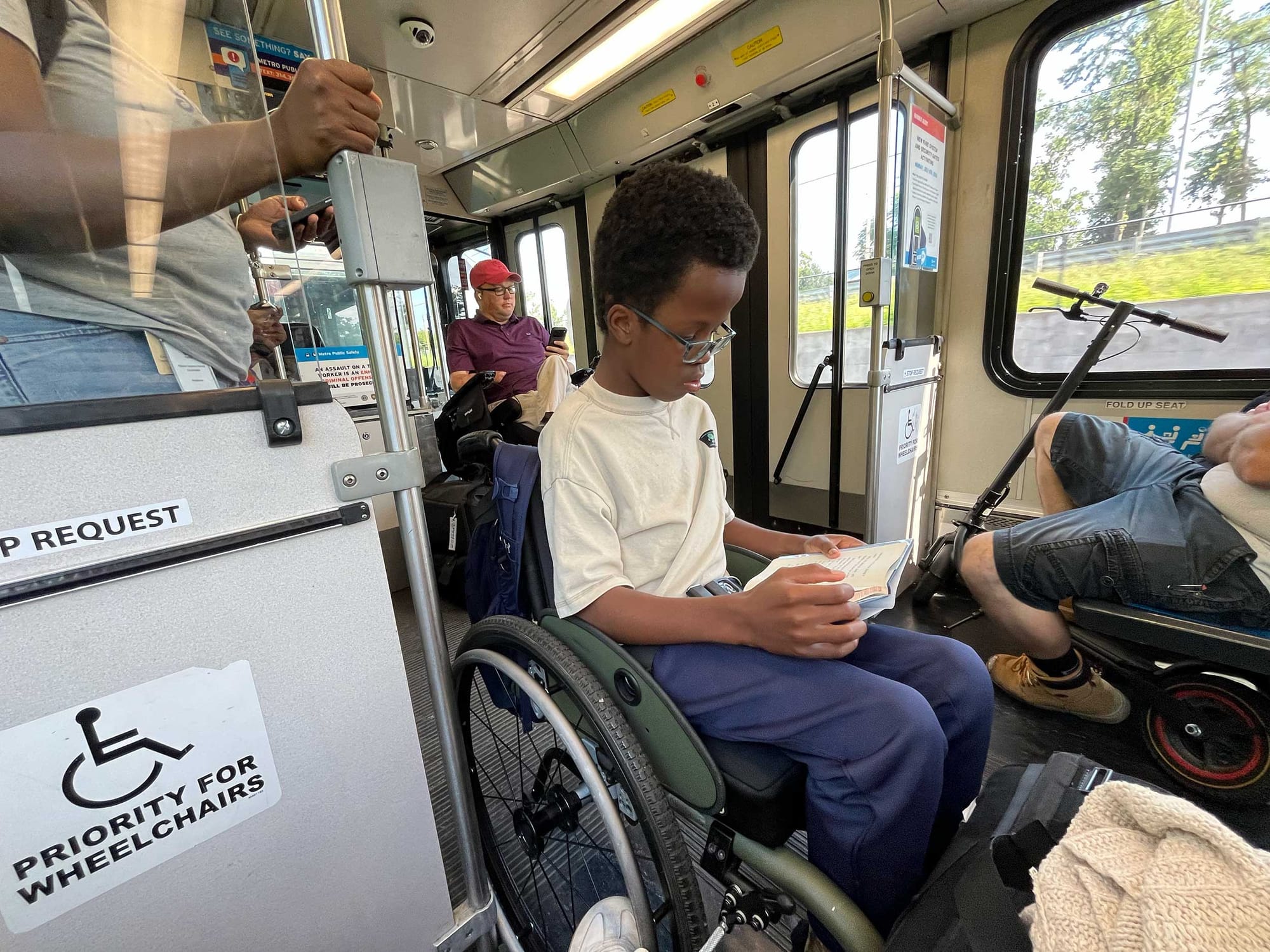
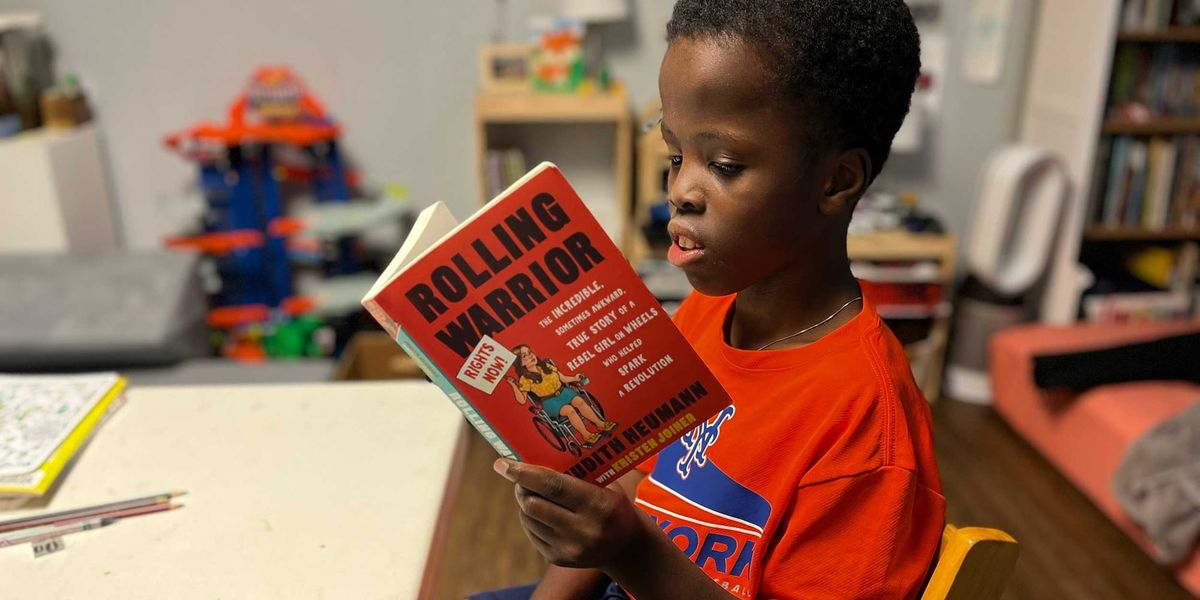
Biographical and historical non-fiction also hold a prominent place in middle grade reading lists. Rolling Warrior by Judith Heumann and Kristen Joiner adapts the adult memoir for younger audiences, detailing the remarkable life of a pioneer in the disability rights movement. The book offers readers a firsthand look at the grassroots activism that helped shape modern accessibility laws, inspiring a new generation of advocates.
Rounding out the middle grade recommendations is I Am Not a Label by Cerrie Burnell. Featuring brief profiles of over thirty disabled artists, thinkers, and activists, the collection challenges narrow societal expectations and provides essential role models for children exploring their own potential.
Titles for Young Adults and Adults
For mature readers, memoirs and essay collections offer deep reflections on identity, societal structures, and the human condition. These works challenge prevailing assumptions and document the ongoing evolution of civil rights and accessibility.
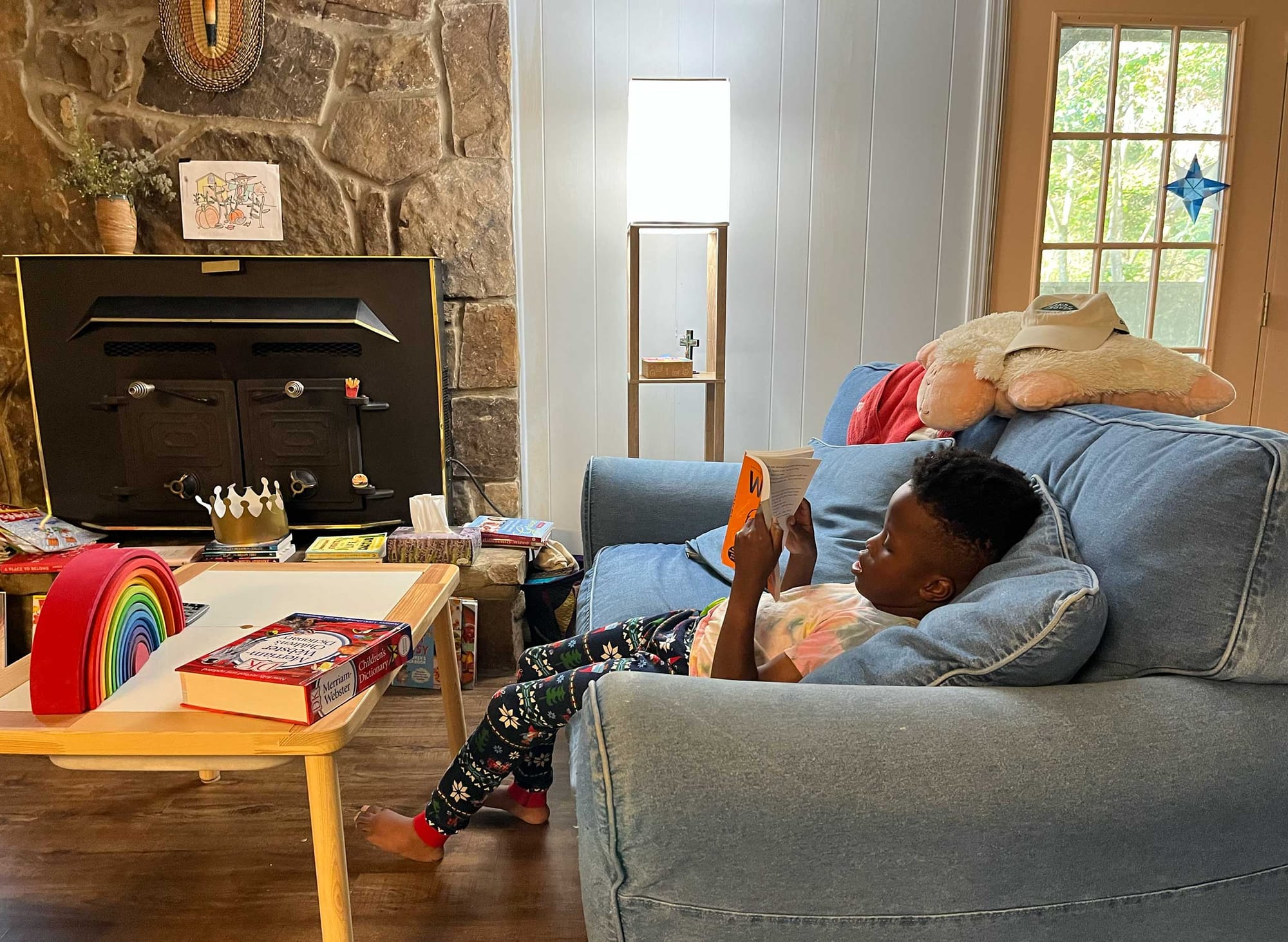
Rebekah Taussig’s essay collection Sitting Pretty provides a nuanced examination of disability through personal reflection and broader cultural critique. The work avoids overly simplistic narratives, offering an honest and hopeful exploration of what it means to navigate a world not originally designed with diverse bodies in mind.
In A Face for Picasso, Ariel Henley shares a raw and thought-provoking memoir about growing up with Crouzon Syndrome, a condition involving the premature fusion of cranial bones. The book examines societal perceptions of beauty and identity, urging readers to look beyond surface-level appearances and question underlying cultural biases.
Judith Heumann’s comprehensive memoir, Being Heumann: An Unrepentant Memoir of a Disability Rights Activist, offers an unfiltered account of key historical milestones, including the historic 504 Sit-In and the eventual passage of the Americans with Disabilities Act. Recognized widely as a foundational figure in the disability rights movement, Heumann details her decades of advocacy within grassroots organizations and government service alike.
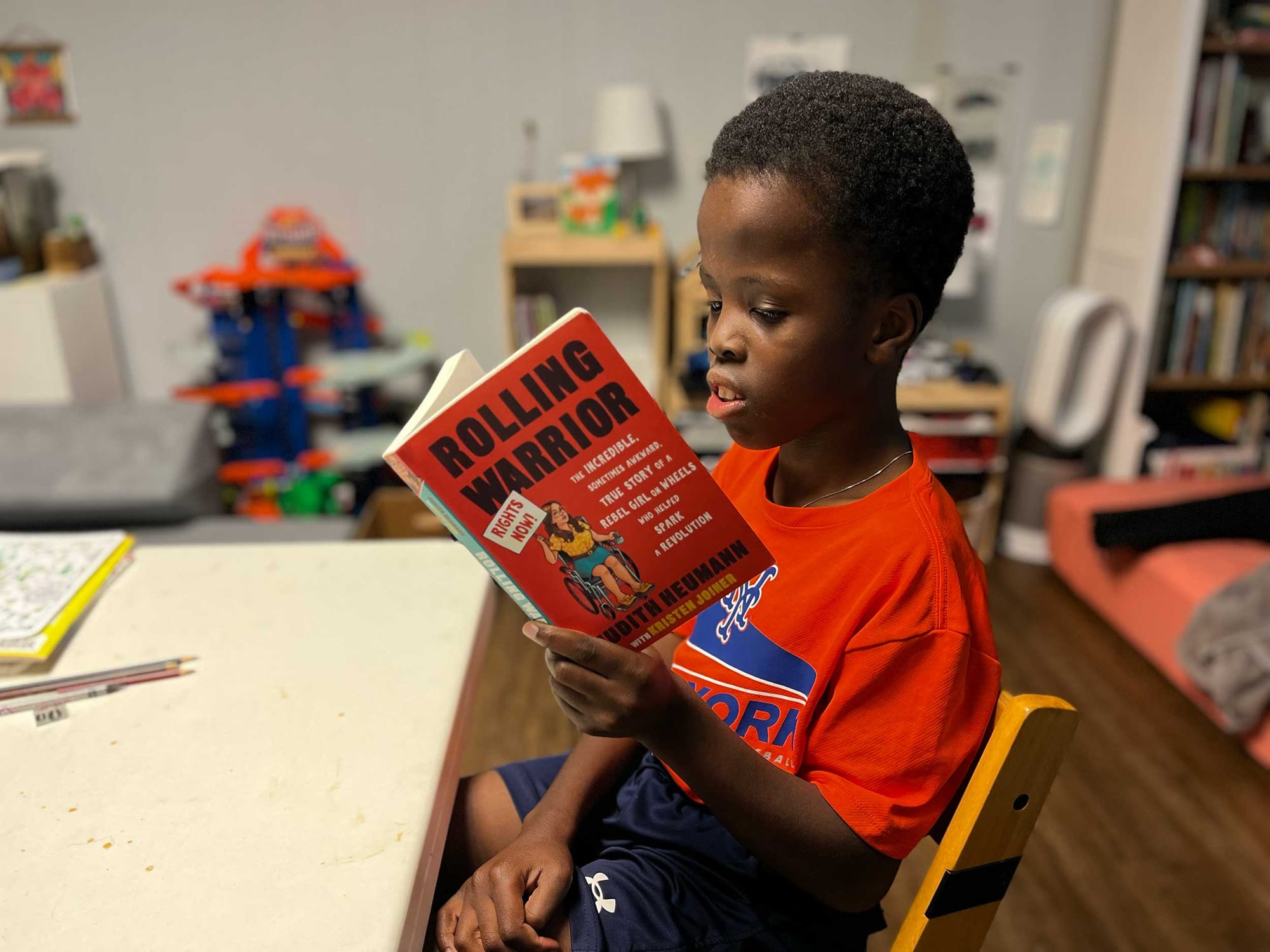
Finally, Haben: The Deafblind Woman who Conquered Harvard Law by Haben Girma documents the author’s journey of adaptation and advocacy. Rather than framing her achievements solely around overcoming a medical diagnosis, the memoir highlights the necessity of reshaping societal infrastructure to accommodate diverse needs, using disability as a catalyst for innovation.
As community members explore these titles through local public library systems, travelers are also encouraged to inquire about additional library card benefits, which frequently include free or discounted admission to local museums, cultural institutions, and regional attractions.