
Self-regulation—the cornerstone ability that allows individuals to handle everyday emotions, concentrate on demanding tasks, and relate positively to peers—faces unique pressures during the winter season. The disruptions caused by impending holidays, altered schedules, and a lack of outdoor physical activity can leave children feeling overwhelmed, impulsive, or fatigued. To combat these seasonal hurdles, educators and developmental specialists are highlighting a diverse array of engaging, winter-themed activities designed to make the practice of emotional regulation both accessible and enjoyable for students of all ages.

At the heart of these interventions are specialized breathing exercises tailored for the winter season. Mindful breathing serves as a foundational self-regulation strategy, teaching children how to hit a psychological pause button rather than reacting immediately to impulsive feelings or external stressors. By focusing deliberately on their inhales and exhales, children can activate the parasympathetic nervous system, the physiological mechanism responsible for true rest, relaxation, and recovery. Extensive scientific research underscores the efficacy of these practices, noting that intentional breathing supports emotional balance, sharpens cognitive focus, and cultivates a lasting sense of internal calm that can be deployed at any moment.

Complementing indoor breathing techniques, structured outdoor nature walks offer another powerful avenue for stress reduction and emotional reset during the colder months. Educators encourage classes to bundle up and head outside for explorations focused entirely on sensory awareness—noticing what they see, hear, feel, smell, and taste in the immediate environment. Whether observing a hawk soaring through a crisp sky or feeling a chilly breeze, students practicing mindfulness in nature experience documented benefits such as reduced anxiety, enhanced attention spans, and improved overall mood. When outdoor excursions are impossible due to severe weather, similar psychological resets can be achieved through nature-themed classroom brain breaks that encourage physical movement and exercise.

Winter gratitude practices provide yet another cognitive tool for rewiring the brain toward positive reflections during a season that can sometimes feel bleak or overwhelming. By dedicating classroom time to discuss and record specific elements they appreciate about the winter season—ranging from the warmth of hot cocoa to cherished time spent with family—students learn to look beyond surface-level observations and appreciate nuanced details, such as the feeling of winter sunshine on their faces. Scientific literature confirms that consistent gratitude practices yield numerous psychological advantages, including lowered stress levels, heightened resilience, improved sleep quality, and a profound sense of overall well-being.

For students who require a mix of creativity and quiet focus, mindful winter coloring offers an evidence-based pathway to relaxation. Unlike strict meditation, which demands physical stillness, coloring allows for gentle movement while engaging the mind in a repetitive, low-stress task. Utilizing winter-themed coloring pages integrated with positive self-talk phrases gives students an effective outlet to lessen anxiety and improve their mood without the pressure of creating a flawless artistic masterpiece.

Similarly, cozy reading time fosters a unique environment for relaxation and interpersonal connection. Whether students engage in independent silent reading or participate in a group read-aloud session accompanied by a simulated fireplace display, literature provides an immersive escape from daily stressors. Research demonstrates that getting lost in a good book effectively lowers physiological stress levels, eases muscle tension, builds empathy, and promotes long-term psychological health, while group read-alouds foster co-regulation among peers.

Tactile exploration through winter sensory bins represents another hands-on approach utilized by educators to ground children in the present moment. By filling large containers with safe, winter-themed materials, schools incorporate tactile play that naturally encourages mindfulness, curiosity, and calm. This sensory engagement simultaneously supports the development of fine motor skills and provides a soothing channel for children who process emotions best through touch.

In a similar vein, the mindful consumption of hot cocoa transforms a simple winter treat into an active mindfulness exercise. When children take the time to hold a warm mug, feel its heat, inhale its sweet aroma, and slowly taste the drink while pausing between sips, they engage in mindfulness in action. This deliberate pacing helps quiet the active mind, while the warmth of the beverage physically relaxes muscles and signals the central nervous system to calm down.

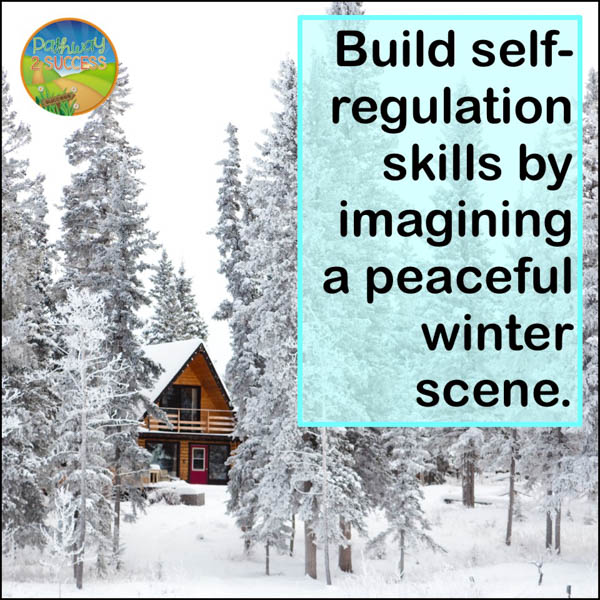
Mental visualization exercises further expand these calming strategies by inviting children to close their eyes and picture relaxing winter scenes. Guided by sensory prompts regarding what they see, hear, and feel in a tranquil snowy landscape, students learn the psychological skill of shifting their internal state into one of deep relaxation.

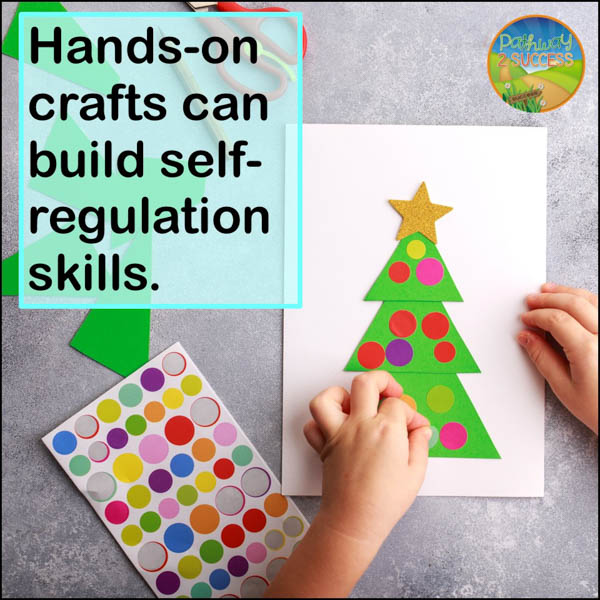
Hands-on winter crafts and art projects offer structured environments where learners can engage their fine motor skills and creativity. As children focus their attention on following multi-step creative processes, they naturally practice emotional regulation, learning how to manage frustration and maintain composure when their artwork does not turn out precisely as planned.
Acoustic interventions also play a significant role, with the intentional integration of gentle, winter-themed instrumental music. Playing soft piano or guitar tracks during transitions or independent work sessions creates a soothing atmosphere that helps trigger a physiological relaxation response and sustains focus throughout the school day.
Finally, active games like the winter freeze dance combine physical movement with impulse control. By allowing children to dance freely to music and requiring them to instantly freeze when they hear specific winter vocabulary words, the activity builds essential self-regulation capabilities through play. As educators continue to seek comprehensive support systems to guide children through the disruptions of the winter season, these diverse, engaging strategies offer reliable frameworks for fostering emotional health, focus, and resilience.



