October 2026 Update:
In the wake of sweeping policy changes regarding federal health expenditures, the Centers for Disease Control and Prevention (CDC) released supplemental health department funding on September 3, 2026. The total funding ultimately allocated reached $91 million, falling roughly 24% short of the anticipated $120 million described in initial award announcements. While 30 health departments received the financial support they originally anticipated, 14 jurisdictions experienced reductions of 25% or more. Among those, six health departments faced cuts greater than 40%.
To match prior funding levels under the former direct-to-CBO grant mechanism known as PS21-2102, health departments would need to allocate an average of 46% of this new supplemental funding directly to community-based organizations, though the required allocation rate varies widely by department. Furthermore, five eligible health departments—representing Alaska, Arkansas, Idaho, Tennessee, and Wyoming—were completely shut out of supplemental funding. Two of these neglected states, Arkansas and Tennessee, are home to community-based organizations that previously relied on PS21-2102 funding to sustain their local operations.
The End of an Era for Direct CBO Funding
This development follows months of intense scrutiny and reporting regarding a major structural shift at the federal level. The CDC has opted not to renew its flagship, five-year HIV prevention grant program dedicated specifically to community-based organizations, widely tracked under grant number PS21-2102. For decades, community-based organizations have served on the front lines of the national HIV response. As explicitly noted in the original federal grant announcement, community groups have maintained a vital role due to their unique accessibility, deep-rooted history, and established credibility within the populations they serve. They have long been recognized as indispensable partners in delivering comprehensive, high-impact prevention services.
Grantees under the PS21-2102 program have traditionally relied on these funds to execute an array of integrated health initiatives. Their work has spanned routine HIV and other sexually transmitted infection (STI) testing, active linkage-to-care efforts, Pre-Exposure Prophylaxis (PrEP) navigation, and comprehensive partner services, alongside numerous localized outreach programs.
Simultaneously, the CDC has made supplemental funding available to state and local health departments to carry out HIV prevention activities through a separate, pre-existing grant mechanism designated as PS24-0047. Health departments must apply to receive these funds. While grantees receiving support under PS24-0047 are encouraged to engage community-based partners, such partnerships are not strictly mandatory. Higher suggested allocations are recommended for organizations operating within designated "Ending the HIV Epidemic" (EHE) jurisdictions.
However, these supplemental health department grants do not replace direct-to-CBO funding. While they may offer some organizations a potential lifeline moving forward, the transition introduces substantial uncertainty. Different health departments will inevitably adopt varying allocation strategies, directly threatening the operational budgets and long-term financial sustainability of community-based organizations—particularly smaller, less-resourced groups. More broadly, the shift marks a historic departure from decades of public health practice, effectively ending direct federal funding for community-based organizations, a practice the CDC maintained since the late 1980s.
Congressional Concerns and Federal Policy Shifts
The structural overhaul has drawn sharp criticism and profound concern from public health advocates and members of Congress alike. Reports indicate that the decision to phase out direct funding originated at the direction of the Office of Management and Budget (OMB). This policy shift unfolds amid broader questions concerning the federal government’s long-term commitment to domestic HIV prevention. The administration has previously pursued efforts to completely eliminate CDC HIV prevention funding through budgetary requests, though Congress has repeatedly rejected those attempts.
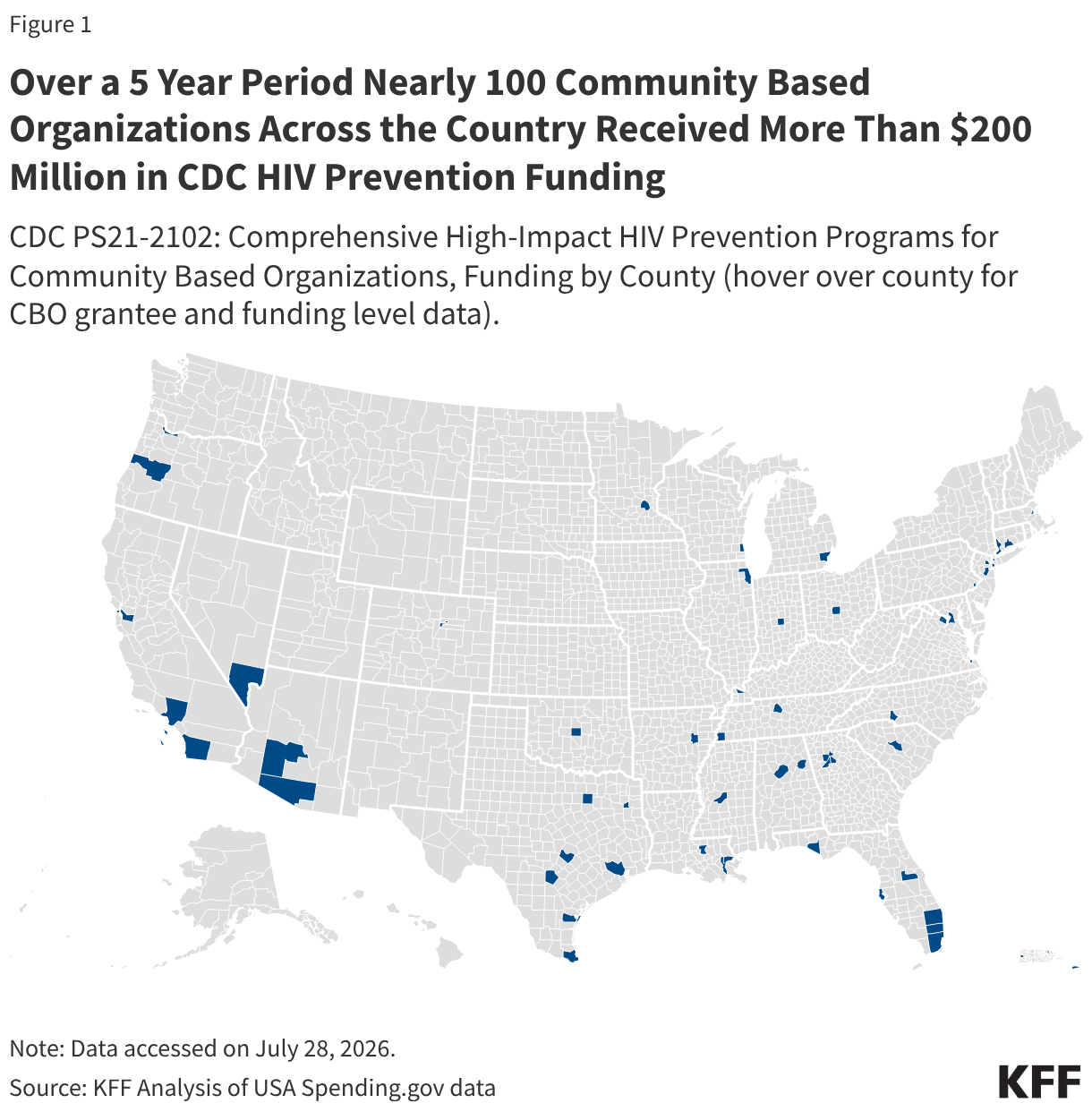
Concurrently, the administration has pursued executive actions aimed at curtailing or terminating federal programs and funding streams, with a particular focus on initiatives addressing LGBTQ+ health issues and racial or ethnic health disparities. According to federal award databases, a substantial portion of the community-based organizations affected by the termination of PS21-2102 focused explicitly on addressing HIV within these exact communities. Their localized outreach was especially critical in ensuring that prevention and care efforts successfully reached Black, Latino, and transgender individuals—demographics that continue to be disproportionately impacted by the HIV epidemic in the United States.
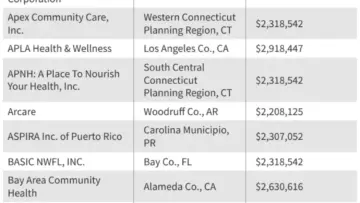
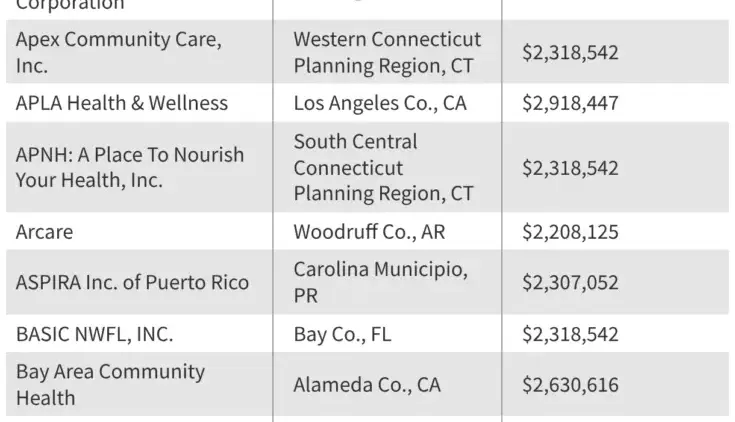
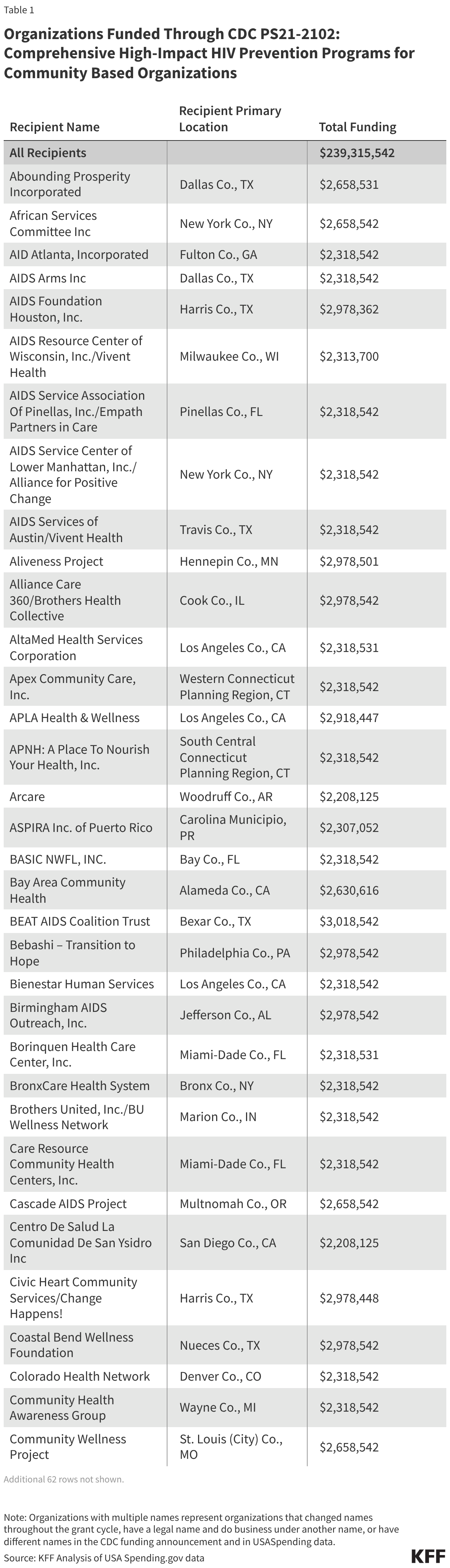
To measure the full scope and potential impact of this policy change, a review of federal spending data from USAspending.gov offers a clear snapshot of how historical CBO grants were distributed. The data reveals that community organizations stand to lose access to more than $230 million in dedicated HIV prevention resources. Geographically, the largest concentration of these affected organizations is located in the American South, a region that consistently records the highest number of new HIV diagnoses nationwide.
Findings and Regional Vulnerabilities
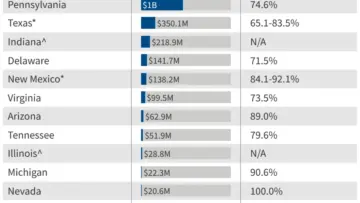
While the full picture remains incomplete because health department applications and final local allocation decisions are still unfolding, early assessments highlight serious risks. Even if health departments choose to fund community-based organizations at the absolute minimum recommended levels, overall funding directed to community groups will drop dramatically across multiple regions.
With significantly fewer financial resources at their disposal, community organizations will likely find themselves ill-equipped to sustain essential prevention programs. Public health experts warn that this capacity reduction could severely undermine the broader national HIV response, leaving vulnerable communities increasingly exposed to rising infection rates.
Methodology
The underlying funding totals for the phased-out PS21-2102 grants were compiled using data extracted from USAspending.gov. The evaluation covered the complete five-year grant lifecycle spanning from 2021 through 2025, incorporating base year allocations alongside supplemental adjustments and continuation funding provided in 2026.
To estimate potential allocations under the new PS24-0047 mechanism, researchers analyzed guidance documents issued by the CDC under Notice of Funding Opportunity CDC-RFA-PS-24-0047. The guidelines identify 60 health departments eligible to apply for supplemental funding. Among the 96 organizations previously supported by the direct PS21-2102 grants, all but two—which were located in Tennessee—operated within these designated jurisdictions, spanning 36 of the 60 eligible health department regions.
Because the newly structured PS24-0047 supplemental awards operate on a one-year timeline, analysts compared the estimated supplemental amounts against the final base year funding levels (Fiscal Year 2025) of the expiring CBO grants. The CDC encourages health departments to dedicate a minimum of 10% of supplemental funding to partnerships with community-based organizations, with a higher minimum recommendation of 25% for designated EHE jurisdictions. Because the precise breakdown of EHE versus non-EHE funding allocations remains unconfirmed, analytical models applied blanket 10% and 25% distribution scenarios to project a realistic range of minimum anticipated funding for community groups moving forward.