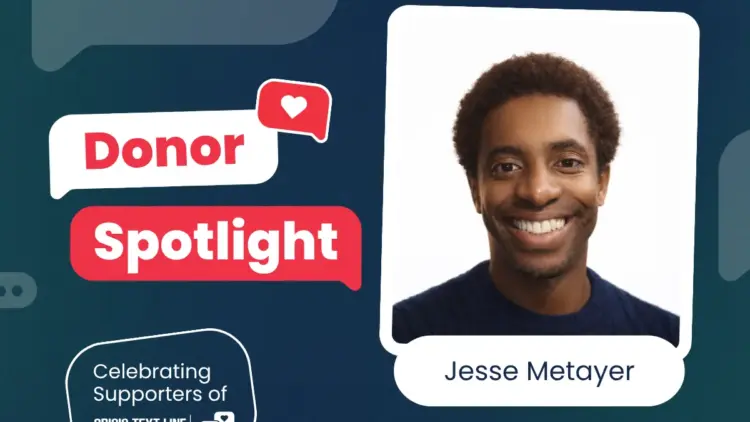
Every text message received by crisis intervention services is answered because someone believed it mattered enough to make that connection possible. For Crisis Text Line, individuals who step forward to provide both financial backing and hands-on support serve as the foundational backbone of an operation designed to offer round-the-clock emotional assistance. This month, the organization is shining a spotlight on Jesse Meyer, a dedicated donor, volunteer, and mental health advocate whose personal journey with psychological well-being has shaped a profound commitment to helping others navigate their hardest moments. Through his generous contributions and active engagement, Meyer helps train the compassionate Crisis Counselors who stand ready to answer the call whenever a texter reaches out in despair.
Meyer’s path toward becoming a passionate mental health advocate and donor is rooted in his own early struggles. Spending the majority of his childhood feeling different from his peers, he spent years navigating learning disability classes throughout school, quietly trying to conceal how difficult everyday academic and social challenges were for him. By the time he turned eighteen, the mounting pressures culminated in him dropping out of college, leading to a period of intense personal isolation. In what he describes as his darkest moment, Meyer felt completely devoid of hope. It was only when he finally decided to reach out and ask for professional help that the trajectory of his life began to shift.
Reflecting on that pivotal turning point, Meyer recalls the profound impact of his therapist, who listened with deep empathy and provided essential emotional support alongside practical resources. That guidance enabled him to actively improve his mental health and altered his perspective on psychological care entirely. Previously, Meyer held the misconception that therapy was strictly intended for individuals suffering from severe mental illnesses, a damaging societal stigma that he now recognizes as entirely untrue. Through his own lived experience, he came to understand that anyone, at any given moment, can encounter overwhelming difficulties in life, and that seeking professional guidance is a vital act of courage rather than a sign of weakness.
That foundational experience ultimately inspired Meyer to give back to the very community that champions accessible mental health care. When considering his philanthropic priorities, he gravitated naturally toward Crisis Text Line, drawn by its mission to provide free, 24-hour, seven-day-a-week support to anyone in need, regardless of their circumstances. He recognizes that charitable donations keep the platform active and accessible for individuals who are dealing with profound hardships, ranging from disasters and systemic poverty to war and personal crises. By ensuring that emotional support remains entirely free of charge, donors like Meyer make certain that those who need assistance the most can receive it without facing financial barriers that would otherwise prevent them from seeking help.
Beyond financial contributions, Meyer chose to deepen his involvement by undergoing the organization’s rigorous six-week volunteer training program. This immersive preparation equipped him with specialized emotional techniques that he now applies directly when interacting with texters who reach out for help. Through these conversations, he has learned how to effectively de-escalate high-stress situations, turning what he describes as initial "hot moments" into "cool moments" of clarity. By guiding texters toward a place of empowerment by the end of their chat, Meyer experiences a deep sense of satisfaction, knowing firsthand that his presence can make a tangible difference in someone else’s survival and well-being.
The skills cultivated through his volunteer work have fundamentally shifted how Meyer approaches communication and interpersonal relationships in his daily life. He has learned that active listening is a learned skill that requires immense patience and fosters critical thinking, enabling an individual to truly understand another person’s words, underlying emotions, and specific needs. Furthermore, volunteering has taught him the importance of slowing down and avoiding impulsive decisions when emotions run high. By applying that same patience and empathy to stressful situations in his personal life, he has developed a greater capacity to listen before judging, ensuring a clearer understanding of the full picture and preventing unfair misunderstandings with friends and family.
The mutual exchange of gratitude during crisis interactions serves as a powerful source of personal validation and self-worth for Meyer. There have been numerous occasions where a texter has expressed profound appreciation at the conclusion of a conversation, reinforcing his belief that simply being present and listening with compassion can pull someone through an agonizing period. He credits the readily available coaches and supervisors at Crisis Text Line for providing continuous support and answering his questions, creating an environment that continually strengthens his own empathy and nonjudgmental listening abilities.
When reflecting on the broader impact of mental health initiatives, Meyer emphasizes that individuals suffering from emotional distress are often the people we encounter first in our everyday lives. Being trained to help those brave individuals navigate their crises and encouraging them to seek immediate professional follow-up care creates a vital ripple effect in communities. For anyone hesitant about donating or reaching out for assistance, Meyer offers a reassuring message rooted in his own survival and ongoing advocacy. He stresses that anyone struggling must know they are never truly alone, and that taking the first step to reach out is the beginning of the journey toward hope.
Outside of his philanthropic efforts and volunteer shifts, Meyer maintains his own mental well-being through a balanced routine that brings him joy and tranquility. He regularly attends church, goes to the gym, and takes long, reflective walks through local parks. Additionally, he pours his creative energy into personal projects, such as developing the StarTalk app. By balancing his dedication to helping others through Crisis Text Line with intentional self-care and personal pursuits, Meyer continues to model the very resilience and compassion he hopes to inspire in every texter who reaches out for help.