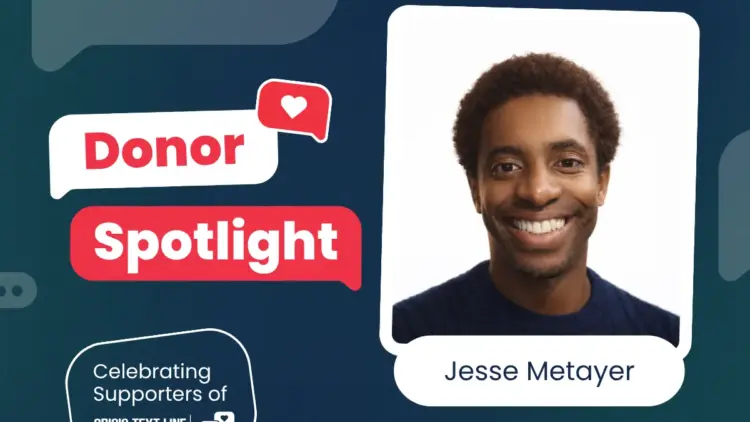
Every text message received by a crisis intervention service is answered because someone believed it mattered enough to make that connection possible. Behind the screen, trained volunteers stand ready to guide individuals through their darkest hours, offering a lifeline when hope feels entirely out of reach. This month, the spotlight shines on Jesse Meyer, a dedicated donor, volunteer, and mental health advocate whose enduring generosity helps train the very Crisis Counselors who show up for texters in their most vulnerable moments.
Meyer’s journey to becoming a pillar of support for others is rooted in his own deeply personal experiences with hardship, mental health struggles, and the transformative power of empathy. Through a candid conversation, Meyer reflects on how his own path through therapy dismantled personal stigmas, the specific emotional techniques he utilizes to de-escalate crises, and why giving back has become a cornerstone of his life.
Breaking Down Stigmas and Finding Healing
Reflecting on the origins of his commitment to mental health advocacy, Meyer opens up about the challenges he faced during his formative years. Growing up, he spent a significant portion of his childhood feeling different from his peers. Pl
aced in learning disability classes throughout school, he worked tirelessly to hide how difficult everyday academic and social environments were for him.
The weight of those struggles eventually culminated when he made the decision to drop out of college at the age of eighteen, plunging into a period of intense isolation. In what he describes as his darkest moment, Meyer felt as though there was no hope left. It was at that critical juncture that he made the decision to reach out for help, a choice that fundamentally altered the trajectory of his life.
When he finally entered therapy, he encountered a professional who listened with genuine empathy and provided vital emotional support and practical resources. Those tools allowed him to gradually rebuild his mental health and regain a sense of stability. That profound experience demonstrated to Meyer the critical importance of seeking professional intervention when emotional distress becomes overwhelming.
Looking back, Meyer acknowledges that he once harbored the common misconception that therapy was exclusively intended for individuals suffering from severe mental illnesses. He now recognizes that harmful stigma as entirely untrue. Through his own healing process, he came to understand that anyone, at any given moment in their lives, can experience unexpected difficulties and emotional hardships that require outside support.
From Hot Moments to Cool Moments in Crisis Intervention
That personal realization eventually led Meyer to Crisis Text Line, where he completed a rigorous, free six-week training program designed to equip volunteers with the skills necessary to handle acute emotional distress. During his training, he learned specialized emotional and de-escalation techniques that he has since applied directly to real-world interactions with texters reaching out for help.
By carefully employing those techniques, Meyer has repeatedly experienced the profound satisfaction of transforming initial conversations marked by panic, distress, or anger—what volunteers refer to as "hot moments"—into calm, reflective dialogues, or "cool moments." Through patient guidance, he helps direct texters toward a place of empowerment by the end of their exchanges. Knowing that he has the capacity to make a tangible difference in someone else’s life during their greatest hour of need brings him a deep sense of purpose.
Meyer emphasizes that supporting mental health initiatives, particularly crisis intervention, is more critical than ever because individuals suffering from emotional distress are often the people we encounter first in our daily lives. Trained volunteers act as a vital bridge, guiding brave individuals through intense emotional storms and actively encouraging them to seek ongoing professional help immediately following their conversations.
Through this work, Meyer has discovered that active listening is a learned skill that cultivates profound patience and sharpens critical thinking. It allows a person to truly comprehend not just the words being spoken, but the underlying emotions and unmet needs driving them.
The Mutual Rewards of Compassionate Volunteering
For Meyer, the act of giving back yields profound personal validation. Being a steady, reassuring presence for texters reaffirms to them that confidential support is available at any hour of the day or night, completely free of charge. He notes that hearing expressions of genuine gratitude from texters at the conclusion of a conversation provides a deep sense of self-worth and reinforces his dedication to the platform. By simply showing up and listening with undivided compassion, he helps steer individuals away from the edge of despair.
When examining his broader philanthropic efforts, Meyer explains why Crisis Text Line remains a primary priority. The organization provides free, round-the-clock mental health support to anyone in need, bridging a critical gap in accessibility. Through his involvement as both a donor and a volunteer, Meyer has continuously refined his listening skills and empathy while offering nonjudgmental support. He credits much of this personal growth to the readily available guidance of coaches and supervisors within the organization who consistently provide mentorship and answer questions.
The lessons learned through volunteering have also rippled outward, profoundly impacting Meyer’s personal and professional life. Engaging with individuals experiencing severe psychological distress has taught him the importance of emotional regulation, specifically the necessity of never making important decisions when emotions are running high. By slowing down, clearing his mind, and applying critical thinking, he has learned to navigate stressful situations in his own life with greater resilience. Furthermore, the patience and empathy required in crisis intervention have translated into his personal relationships, teaching him to listen before passing judgment and helping him avoid unfair misunderstandings with friends and family.
Sustaining the Lifeline for Those in Need
As someone who understands the transformative impact of accessible care, Meyer has a clear message for others considering financial contributions to Crisis Text Line. Donors play a vital role in sustaining a platform that serves individuals grappling with disasters, systemic poverty, war, and a wide array of other severe hardships. By keeping services entirely free, contributions ensure that individuals who need emotional assistance the most are never barred from receiving it due to financial constraints. Donors essentially form the backbone that keeps the digital doors open twenty-four hours a day, seven days a week.
Meyer also offers a direct message of encouragement to anyone who might be quietly struggling: you are never truly alone, and taking the courageous step to reach out for help marks the beginning of the journey toward hope.
To maintain his own mental well-being while navigating the emotional demands of advocacy and life, Meyer maintains a balanced routine. He finds joy, tranquility, and grounding through his faith community, his ongoing volunteer work, and personal creative pursuits such as developing the StarTalk app. Additionally, he prioritizes physical health by regularly visiting the gym and taking long, restorative walks through local parks, ensuring he remains grounded and resilient as he continues to show up for others.