Early this year, what was supposed to be a routine commercial flight transformed into a frustrating, months-long ordeal that highlights the systemic vulnerabilities faced by disabled travelers. Sitting by the airplane window, a frequent traveler watched in real-time as baggage handlers for American Airlines bypassed the standard wheelchair lift entirely. Instead, choosing expediency over safety, the personnel attempted to physically lift a heavy motorized wheelchair directly from the belt loader.
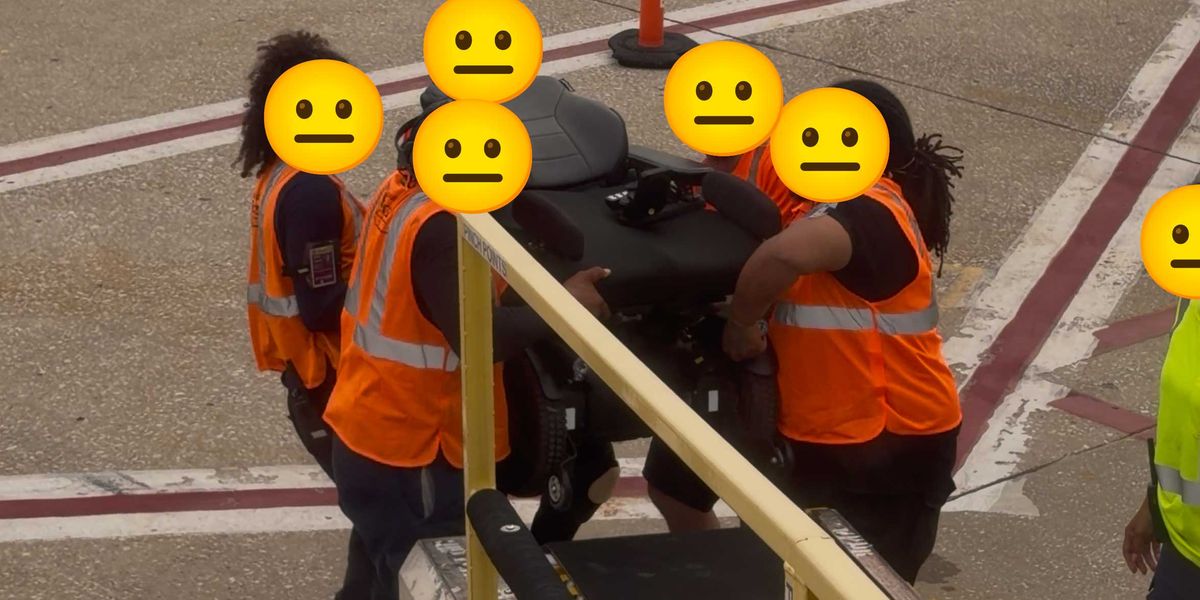
The outcome was as predictable as it was careless. The equipment, weighing hundreds of pounds, was far too heavy for the handlers to safely manage manually. The wheelchair slipped and dropped heavily onto the tarmac at an awkward, jarring angle. From his vantage point on the aircraft, the passenger could only assume the worst, harboring an immediate, sinking suspicion that the frame had sustained critical structural trauma.
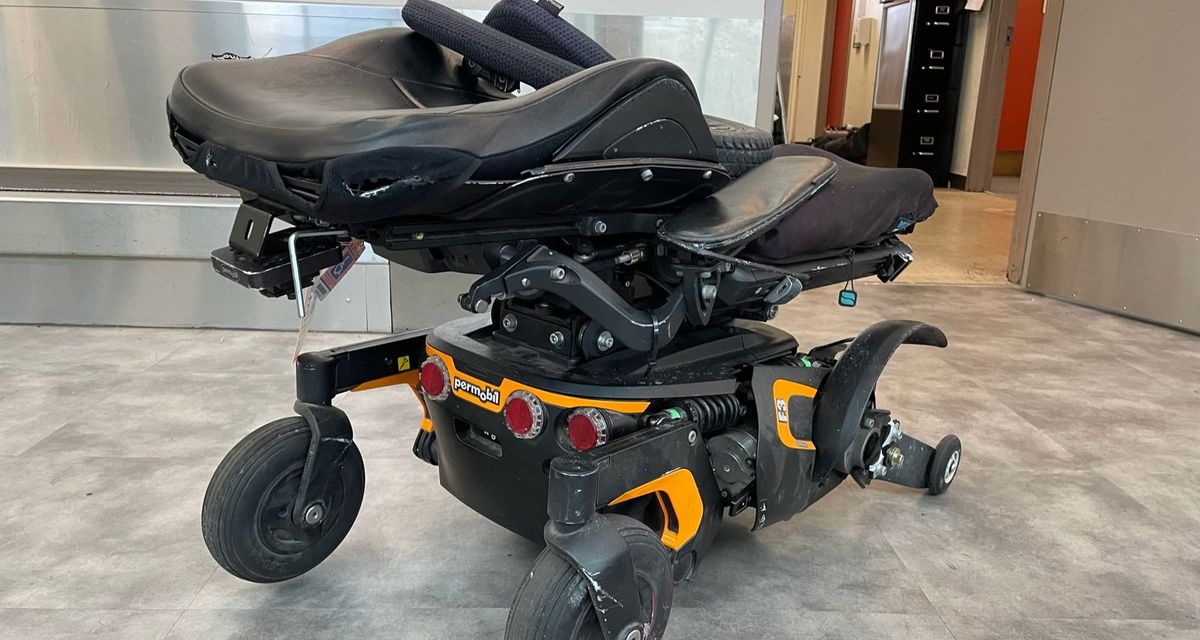
When filing the initial damage claim, the traveler reported the visible and audible anomalies he could personally verify at the time: a fractured piece of plastic trim, a bent headlight, and, most ominously, an abnormal grinding noise originating from the wheel assembly. Visually, the sophisticated 400-pound apparatus appeared largely intact, but as frequent flyers with disabilities quickly learn, external appearances can be deeply deceiving.

What followed was a revolving door of local repair technicians dispatched to his home. The initial service provider diagnosed the issue as a bent drive wheel. Several weeks later, the wheel was replaced, yet the distinct, troubling noise persisted unabated. A subsequent technician shifted the diagnosis to a damaged motor. Another multi-week wait ensued, a new motor was ordered and installed, and still, the noise remained.
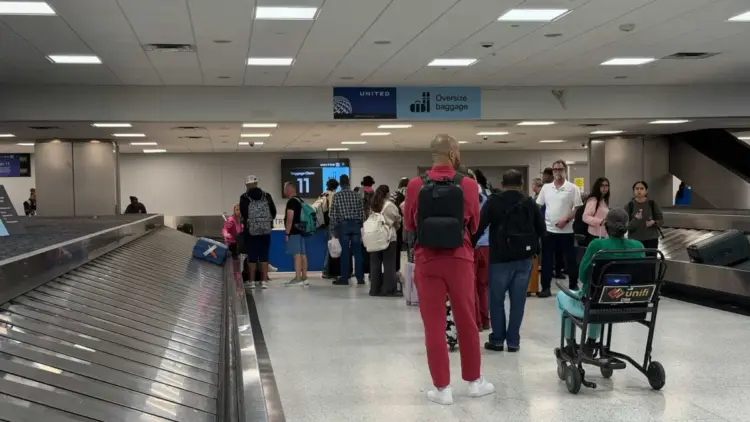
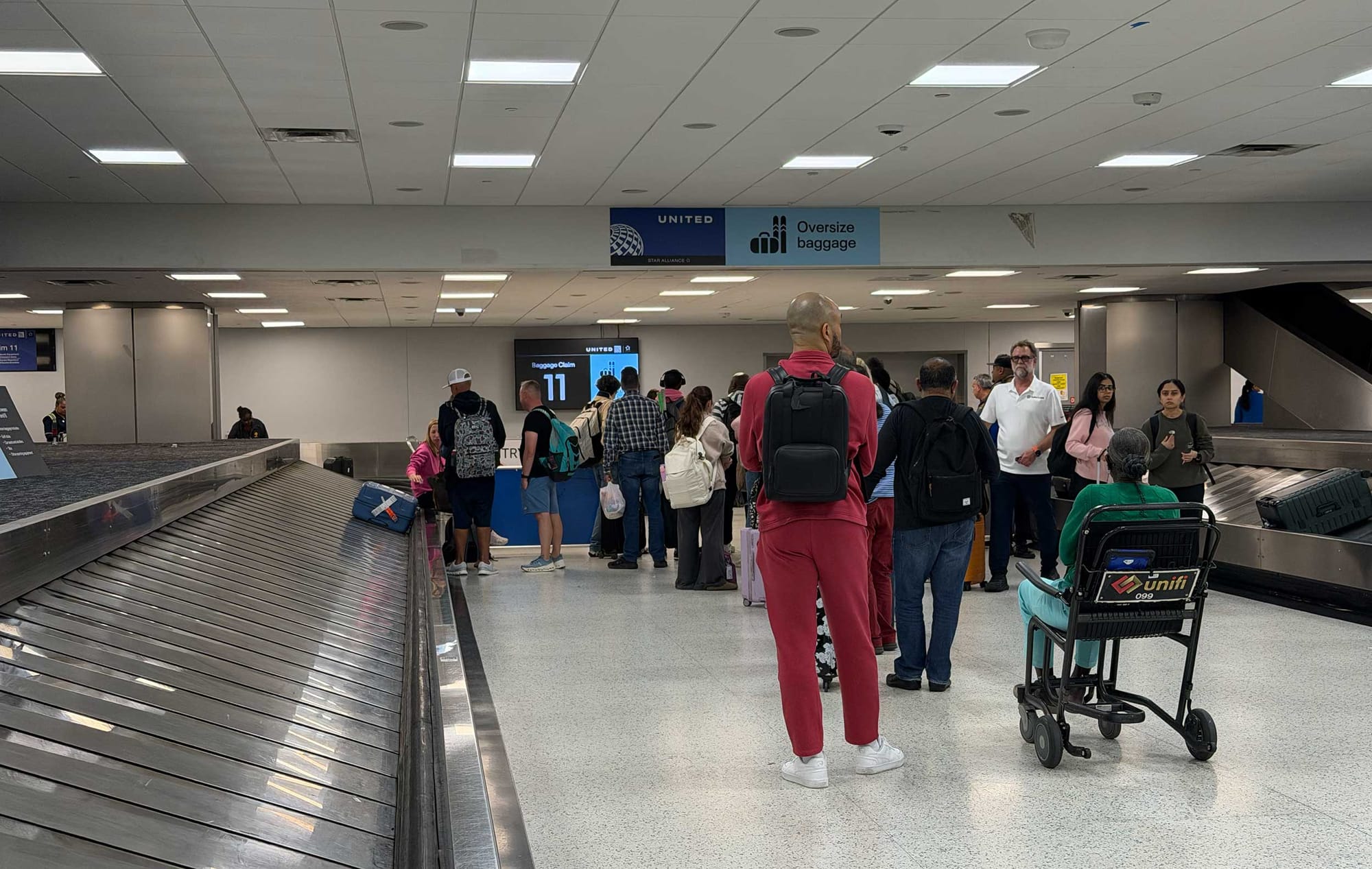
In the interim, the situation worsened exponentially as the chair was mishandled not once, but twice more—this time by United Airlines. During these subsequent journeys, the wheelchair was dropped with even greater force, resulting in a visibly bent armrest, a torn seat cushion, and a significantly louder, more aggressive grinding sound echoing from the undercarriage.
Over the course of more than ten separate appointments, the homeowner sacrificed countless hours of his time hosting a procession of wheelchair repairmen. Components including motors, wheels, casters, and shock absorbers were swapped out in a cyclical loop of trial and error. The underlying noise, however, never vanished. Completely exhausted and ready to surrender to the mounting frustration, the traveler made one final, desperate attempt to seek answers directly from the equipment’s manufacturer.
An expert representative from Permobil, intimately familiar with the complex engineering of the specialized power chair, conducted a thorough examination. The verdict was definitive: the wheelchair’s frame had indeed suffered internal structural damage from the initial drops. The manufacturer’s representative delivered the assessment that serves as the ultimate threshold in aviation accessibility claims: once a specialized power wheelchair is dropped in this manner, the manufacturer can no longer certify that it is safe to use.

Those validation words proved to be the turning point, prompting United Airlines to finally approve a replacement wheelchair. With that authorization finalized, the traveler reached a grim milestone, noting that he has now had a power chair entirely destroyed and replaced by each of the three major U.S. carriers—once by Delta Air Lines, multiple times by American Airlines, and now by United.
The root of this recurring failure lies in a fundamental disconnect between local equipment maintenance and the unique stresses of commercial aviation. Local wheelchair repair technicians possess virtually no experience in identifying structural frame damage. Their daily routines consist of domestic service calls: changing tires, installing replacement batteries, and swapping out minor modular parts for devices primarily utilized within homes and local communities. They do not encounter equipment that is forcibly loaded onto more than a hundred commercial aircraft each year, enduring the brutal logistics of the cargo hold.
When these local technicians responded to the service calls, they heard an audible mechanical failure and logically tried to fix the components they could access. It was a well-intentioned approach, but ultimately an exercise in absolute futility because the core damage was inherently unrepairable. The frame itself was compromised.
The harsh reality is that commercial airlines subject motorized wheelchairs to destructive forces that would be entirely impossible in any home environment. A 400-pound custom mobility device is never lifted entirely off its wheels or dropped onto concrete anywhere outside the purported "care" of commercial aviation. Moving forward, the traveler noted that he will bypass local service networks entirely and immediately request manufacturer representatives, who possess the specialized knowledge required to spot catastrophic structural failures before months are wasted on superficial part replacements.
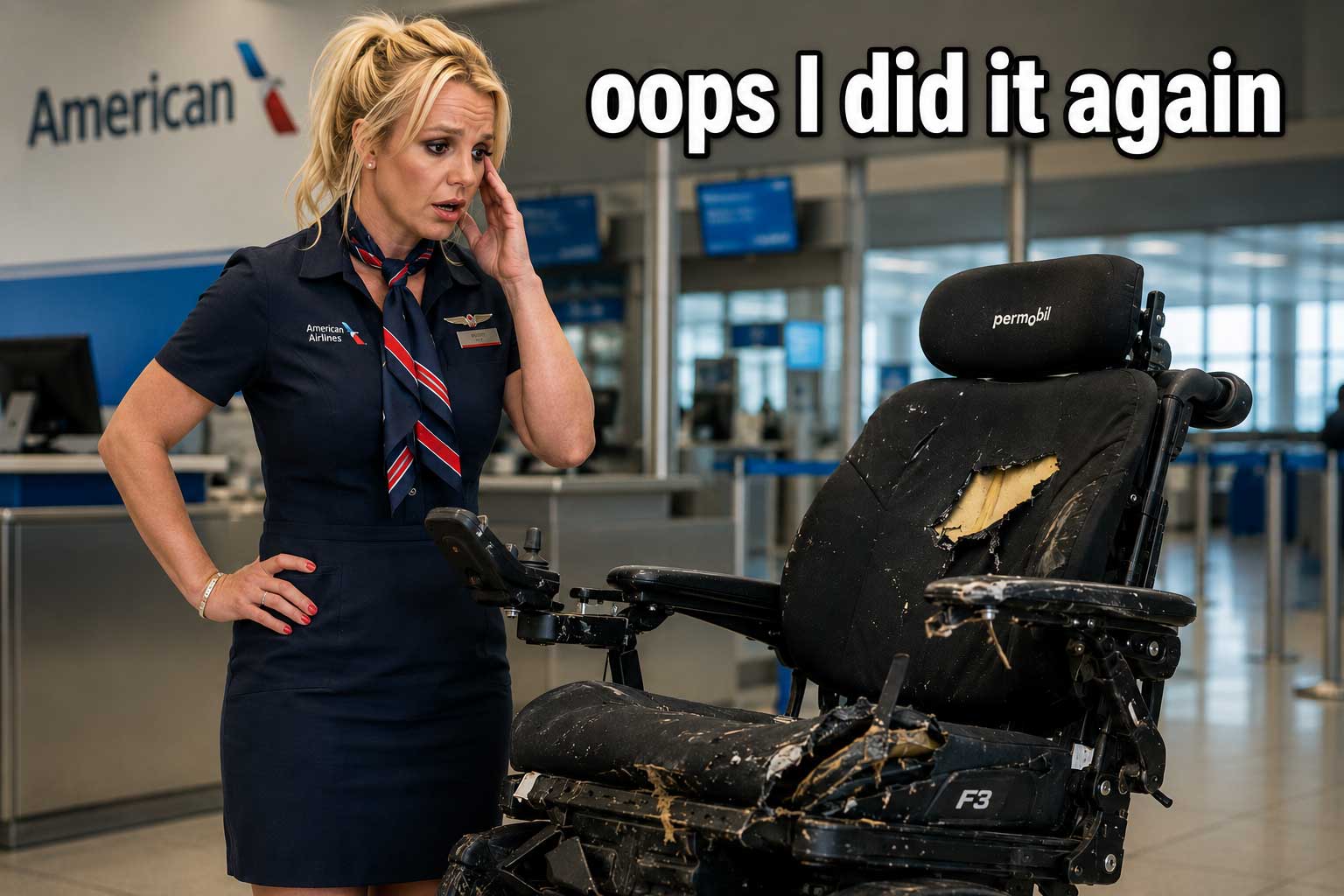
The cycle of vulnerability, however, offers no respite. The replacement wheelchair was delivered just last month, and its maiden journey occurred a week ago—a straightforward round-trip itinerary from St. Louis to Dallas operated by American Airlines. While the outbound leg went smoothly, the return flight delivered yet another blow. Upon arrival, the brand-new wheelchair showed signs of mishandling once again, emitting loud, persistent squeaking noises emanating directly from the seating system and central support pillar. As the traveler prepares for the inevitable next chapter of claims, inspections, and repairs, the stark reality of flying with a disability in America remains unchanged.