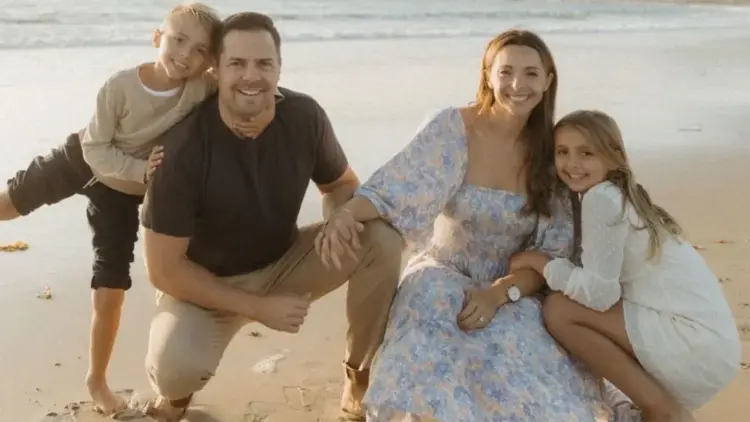
Every year on February 25, advocates, medical professionals, and families gather to observe International Cochlear Implant Day. This global event serves as a platform to celebrate the remarkable medical advances and sophisticated technology that make cochlear implants life-changing for individuals experiencing severe or profound hearing loss. Behind the clinical milestones and engineering achievements, however, lie deeply personal stories of resilience, unexpected discoveries, and community support.
Among these is the story of eight-year-old Doni Dean, whose journey from undiagnosed profound hearing loss to a thriving, active child with a cochlear implant highlights both the gaps that can still occur in early pediatric screenings and the transformative power of advocacy and connection.
Doni’s Story
When Doni came into the world, he appeared to be a healthy, vibrant baby boy following a routine, uncomplicated pregnancy. Like many newborns, he underwent a routine hearing screening shortly after birth. When he failed the screening on his left side, his parents, Joel Dean and Jennie Antonakis, naturally felt a wave of concern. However, the medical staff quickly reassured them, offering a common explanation that is frequently given to new parents in delivery rooms: C-section babies often have residual fluid in their ears, and it was likely nothing to worry about.
A month later, the hospital retested Doni’s hearing, and this time, he passed. Trusting the official medical results, his parents breathed a sigh of relief. Yet, beneath their reassurance, a lingering maternal and paternal instinct suggested something was not entirely right. Reflecting on that period now, the family believes that initial second test yielded a false pass, setting the stage for years of quiet struggle.
The Years of Not Knowing
What followed was an extended, often frustrating search for answers to questions Joel and Jennie did not yet know how to ask. As an infant and toddler, Doni was frequently colicky, battling constant ear infections and a persistent nasal stuffiness that baffled his caregivers. The family made countless visits to ear, nose, and throat (ENT) specialists. These appointments eventually led to ear tube surgery when Doni was nine months old, followed by the surgical removal of his adenoids at age three.
Despite these medical interventions, not a single specialist diagnosed the underlying sensory condition. Day-to-day behaviors added to the confusion. Joel recalls wondering if Doni might have attention deficit hyperactivity disorder (ADHD) or simply struggled with focus. Still, the underlying intuition remained that a larger piece of the puzzle was missing.
The turning point arrived years later after the family relocated to a new town. During a routine physical examination with a new pediatrician when Doni was five years old, the doctor conducted a basic hearing check. The physician turned the volume all the way up on the left side, and Doni never raised his hand. Recognizing the red flag immediately, the doctor urged the family to consult an audiologist right away. Just one week later, Joel and Jennie sat in an office reading the words "profoundly deaf" on an official report.
The diagnosis arrived with the force of a physical blow. As attentive, deeply involved parents, they grappled with an overwhelming sense of guilt and disbelief. How could they have missed this? How could an entire network of pediatricians, specialists, teachers, friends, and family members have missed it? When they reached out to teachers and loved ones, every single person responded that hearing loss had never even crossed their minds.
From Fear to Purpose
For a period, the profound shock of the diagnosis dissolved into fear—fear of the unknown, anxiety regarding the challenges ahead, and a heavy worry that they might not possess the tools required to support their son the way he truly deserved.
Faced with this daunting new reality, Jennie made a conscious decision to channel that fear into something meaningful and constructive. She sought out the Hearing Loss Association of America (HLAA) and eventually joined its Board of Directors, becoming the organization’s first-ever board member who is the parent of a child with hearing loss. The board welcomed Jennie with open arms, eager to integrate her unique perspective and leverage her experiences to help other families navigating similar, isolating medical journeys.
Through their active involvement with the HLAA, both Jennie and Doni were introduced to a vibrant, welcoming community of successful individuals living with hearing loss. This network proved invaluable, offering lessons in resilience, self-advocacy, and enduring hope. Armed with community support and expert medical guidance, Doni received a cochlear implant at age six. Today, he has access to mentors who understand his lived experience firsthand—and so do his parents.
Choosing Positivity and Light
Life with a cochlear implant and profound hearing loss presents daily hurdles, but the Dean family makes a deliberate choice to focus on positivity and light. They express deep gratitude for Doni’s overall health and concentrate intently on his vast capabilities. As it turns out, Doni is capable of nearly everything he sets his mind to.
Described as a resilient and fearless young boy, Doni intrinsically understands that his hearing loss does not define his limits. While navigating the world with a cochlear implant brings added complexities, watching him power through obstacles has shown his parents the true depth of his inner strength. Beyond his own perseverance, Doni possesses a remarkable level of compassion. He cares deeply about supporting other children who are navigating hearing loss and cochlear implants.
To foster this connection on a broader scale, the family maintains an active Instagram profile under the handle @andonismason. Through this platform, Doni shares glimpses of his daily life, experiences, and medical journey, hoping to reach others and remind them that they are never alone in their challenges. The digital space has yielded meaningful results, introducing them to strangers who have since blossomed into supportive, lifelong friends.
Whether connecting with a parent who has just received a child’s daunting diagnosis, a young student navigating the classroom with hearing loss, or an adult seeking a sense of community, the family’s core message remains steadfast: nobody has to walk this path alone.
Doni’s ambitions extend far beyond social media advocacy. He is currently working on writing his very first book about hearing loss to share with readers around the world. And while writing is a major pursuit, he also dreams of stepping onto the athletic field one day as a professional athlete. True to form, he is already proving that no obstacle is insurmountable.