
The financial and logistical burdens of navigating the U.S. healthcare system have long weighed heavily on American families. While previous national polling has consistently highlighted broad public anxieties regarding healthcare costs, a comprehensive new survey from KFF sheds critical light on the magnified struggles faced by adults living with serious, chronic, or complex health conditions.
The findings emerge from the KFF Survey of Health Access and Caregiving, an extensive research effort featuring a nationally representative sample of 25,873 U.S. adults. Among them, 16,677 respondents reported receiving medical treatment or taking prescription medication for at least one major health condition over the past year. By leveraging this large sample size, the survey provides an unprecedented look into the day-to-day realities of individuals managing specific high-burden diagnoses—including cancer, lung disease, diabetes, cardiovascular disease, and mental health conditions—across diverse age groups and insurance coverage types.
Managing Care for Multiple or Complex Health Conditions Among Non-Elderly Adults
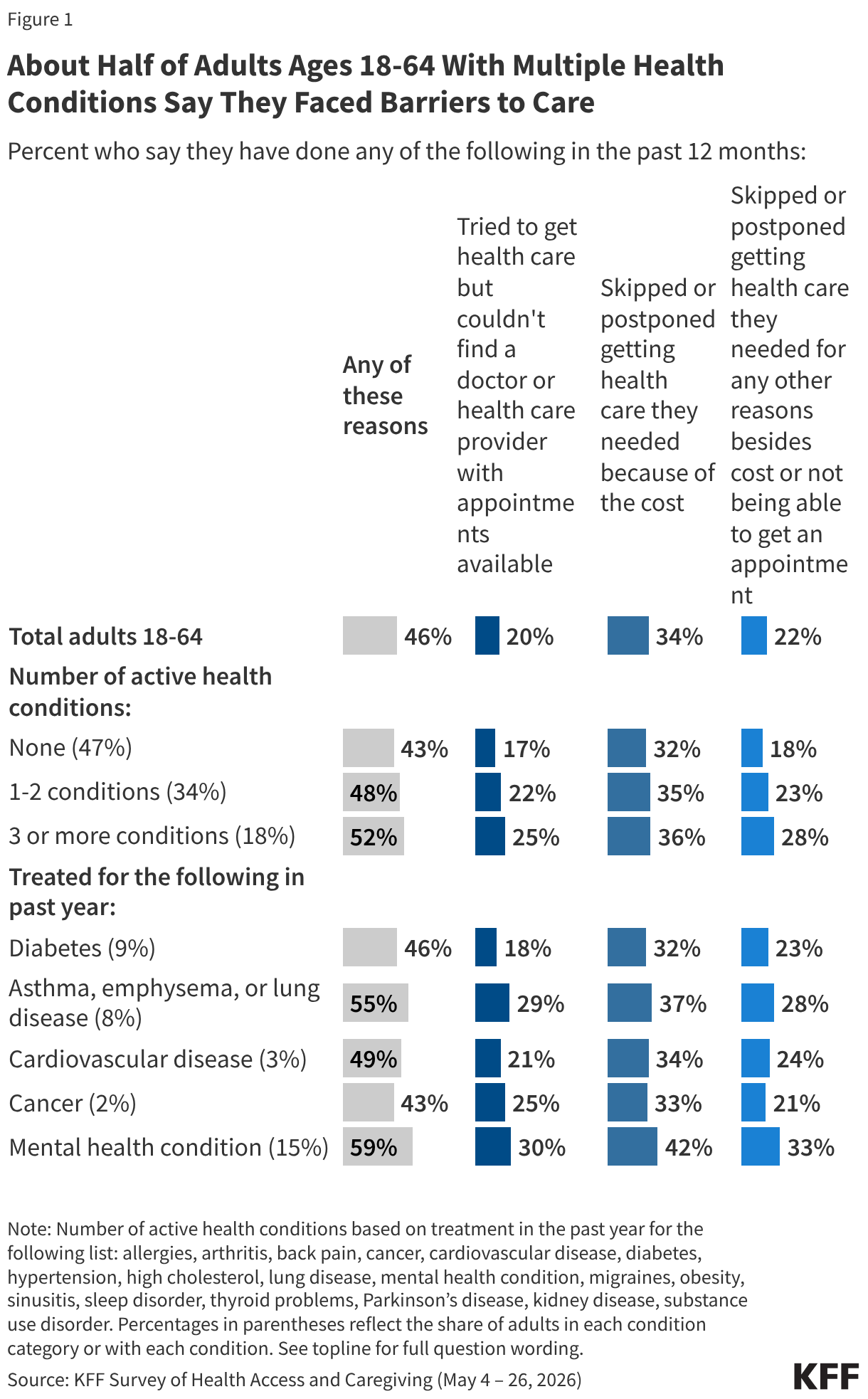
The challenges of securing timely, affordable medical attention are particularly acute for working-age adults. Among non-elderly adults ages 18 to 64, approximately one in five are managing three or more active health conditions. Additionally, roughly 15 percent have received treatment for a mental health condition, 9 percent for diabetes, 8 percent for asthma, emphysema, or lung disease, 3 percent for cardiovascular disease, and 2 percent for cancer within the past year.
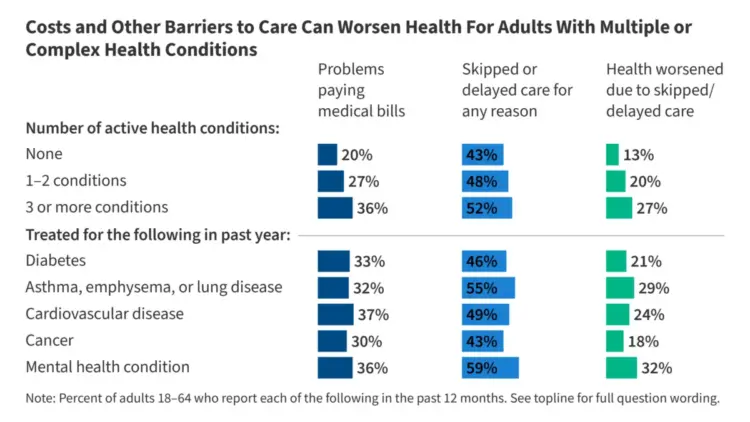
Accessing necessary medical services remains a formidable hurdle for this population. About half of non-elderly adults with three or more chronic conditions—as well as similar proportions of those treated for lung disease or cardiovascular disease—report failing to receive needed healthcare over the past year. This figure climbs to nearly six in ten among individuals treated for mental health conditions.
When asked why they missed or postponed care, cost emerged as the dominant barrier. Among working-age adults managing multiple conditions, over a third skipped or delayed care due to financial constraints, a quarter cited a lack of available appointment slots with local providers, and nearly three in ten pointed to other logistical obstacles. Mental health patients reported particularly high barriers, with 42 percent delaying care specifically because of cost.
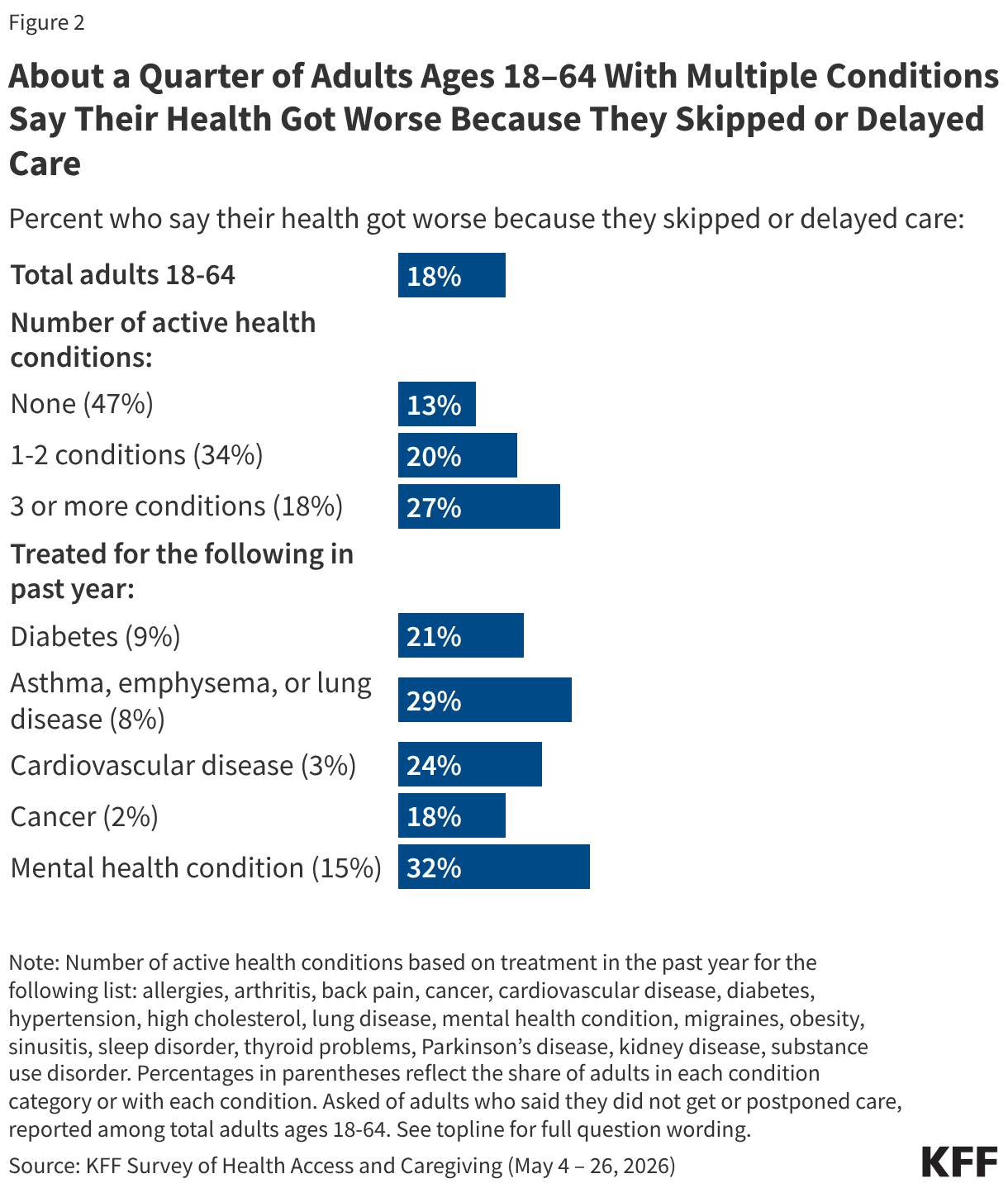
These missed opportunities for timely treatment frequently translate into tangible declines in physical and mental well-being. Approximately three in ten non-elderly adults with a mental health condition or lung disease report that their health actively deteriorated because they skipped or delayed necessary care. Similar negative health impacts were documented among 27 percent of those managing three or more chronic conditions, roughly double the rate observed among relatively healthy adults with no active conditions.
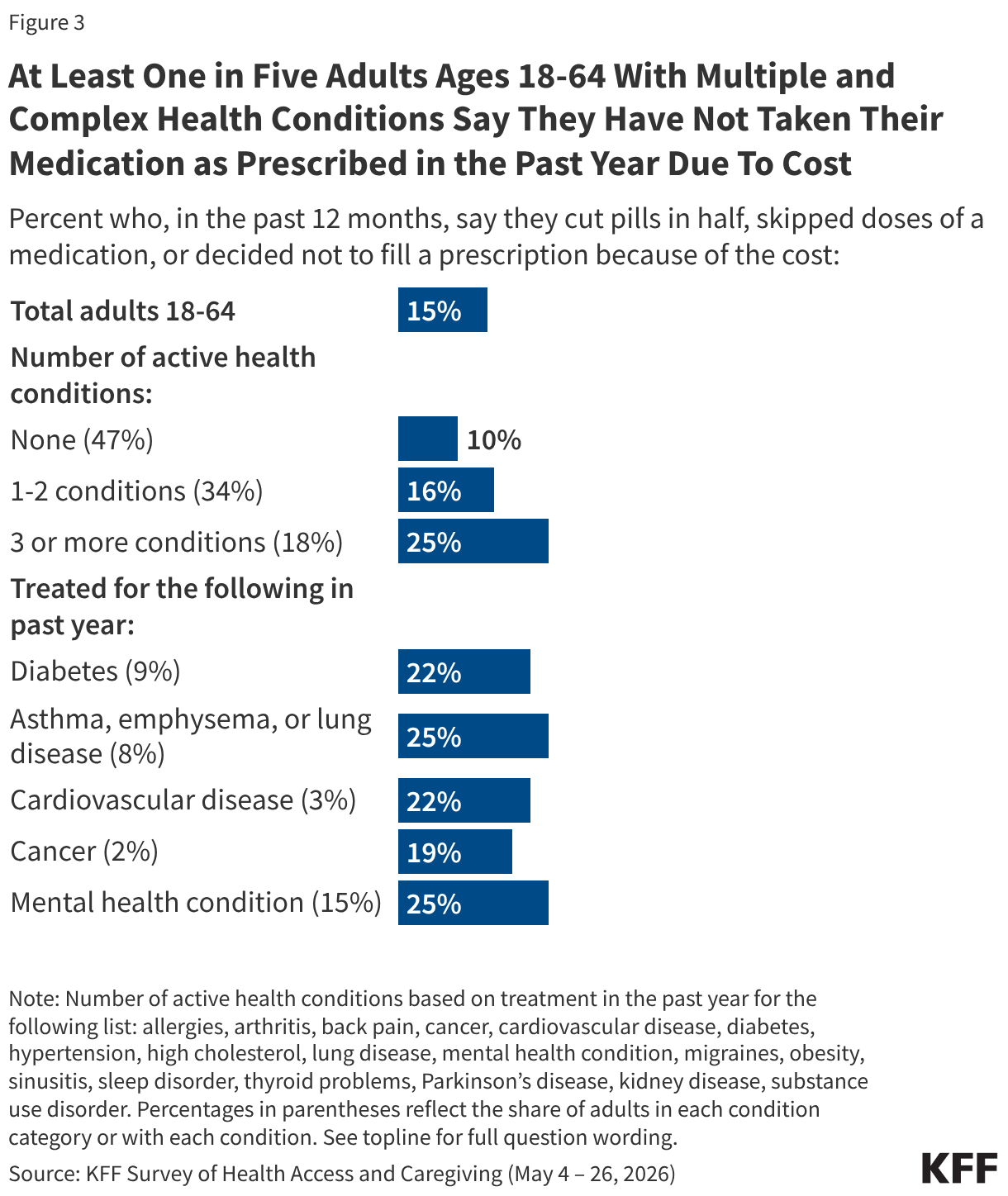
Beyond delaying doctor visits, financial strains routinely force compromises regarding prescription medications. One-quarter of working-age adults with multiple conditions, lung disease, or mental health diagnoses admit to rationing their treatments—such as cutting pills in half, skipping doses, or failing to fill prescriptions altogether—because they simply could not afford them. Comparable medication rationing was reported by about one in five adults managing diabetes, cardiovascular disease, or cancer.
The Financial Burden and Insurance Hurdles
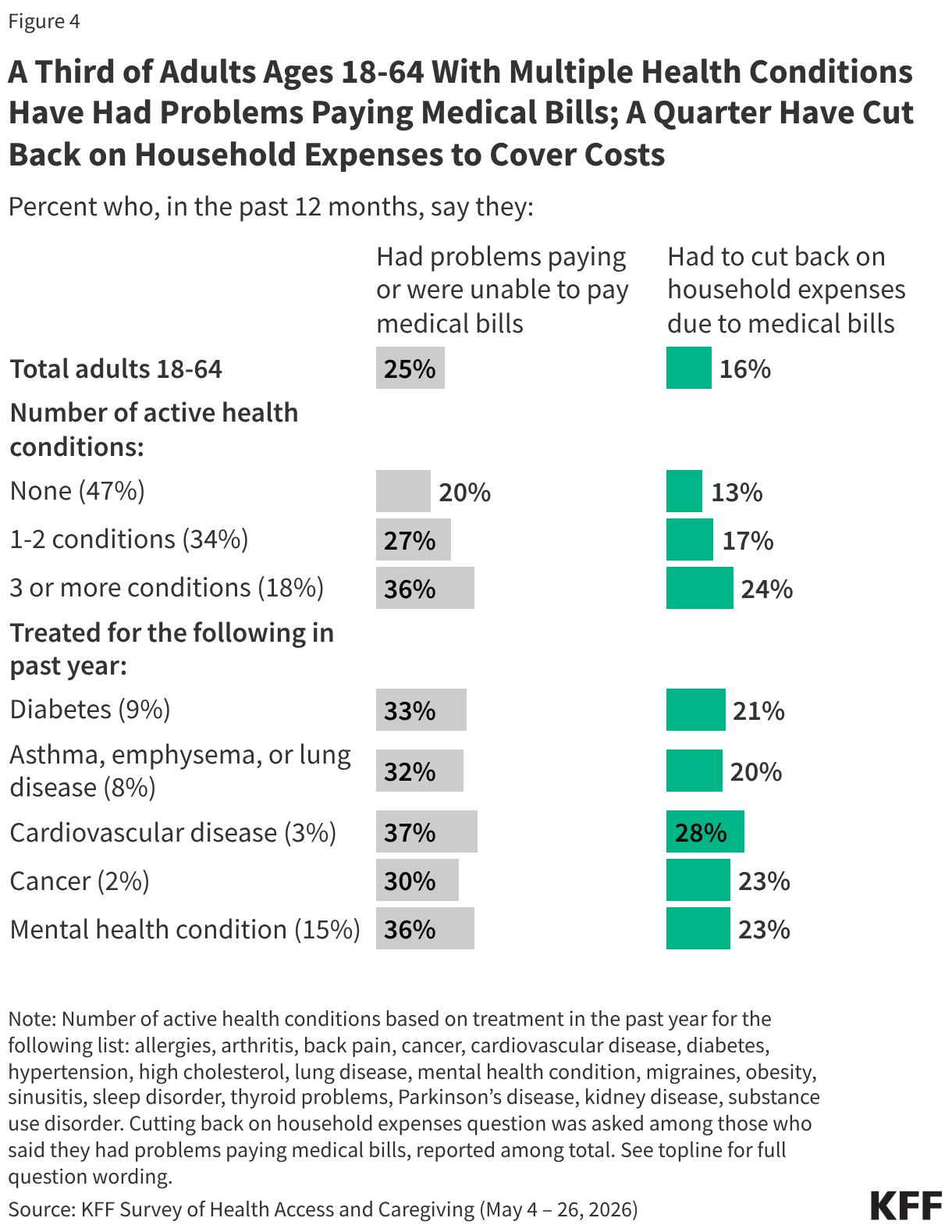
The economic toll of complex medical management extends directly into household stability. More than a third of non-elderly adults with three or more health conditions report struggling to pay medical bills over the past year, while a quarter have had to cut back on essential household expenditures like food and clothing to cover medical expenses. These financial distress rates are roughly double those seen among adults without complex health conditions.
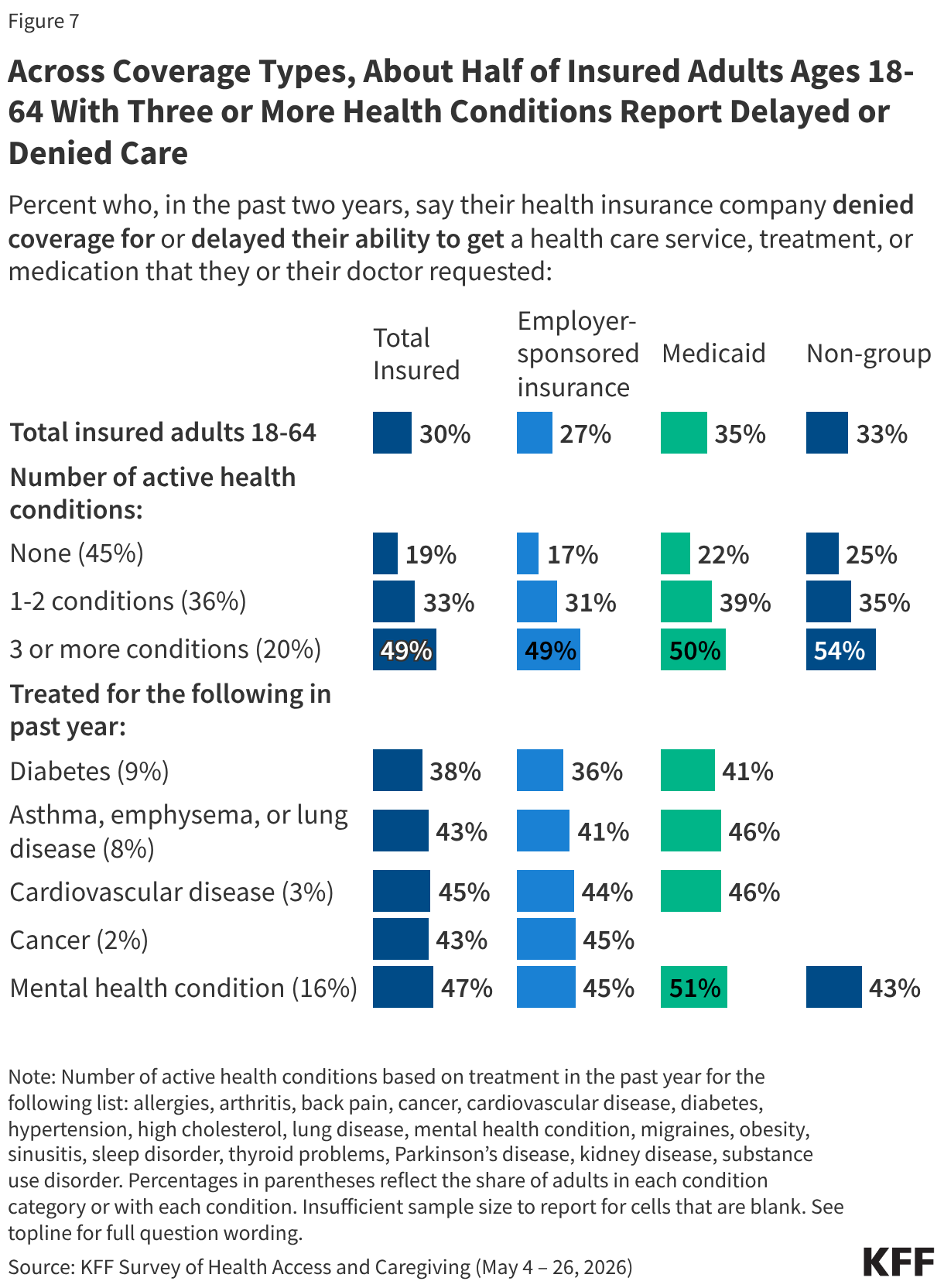
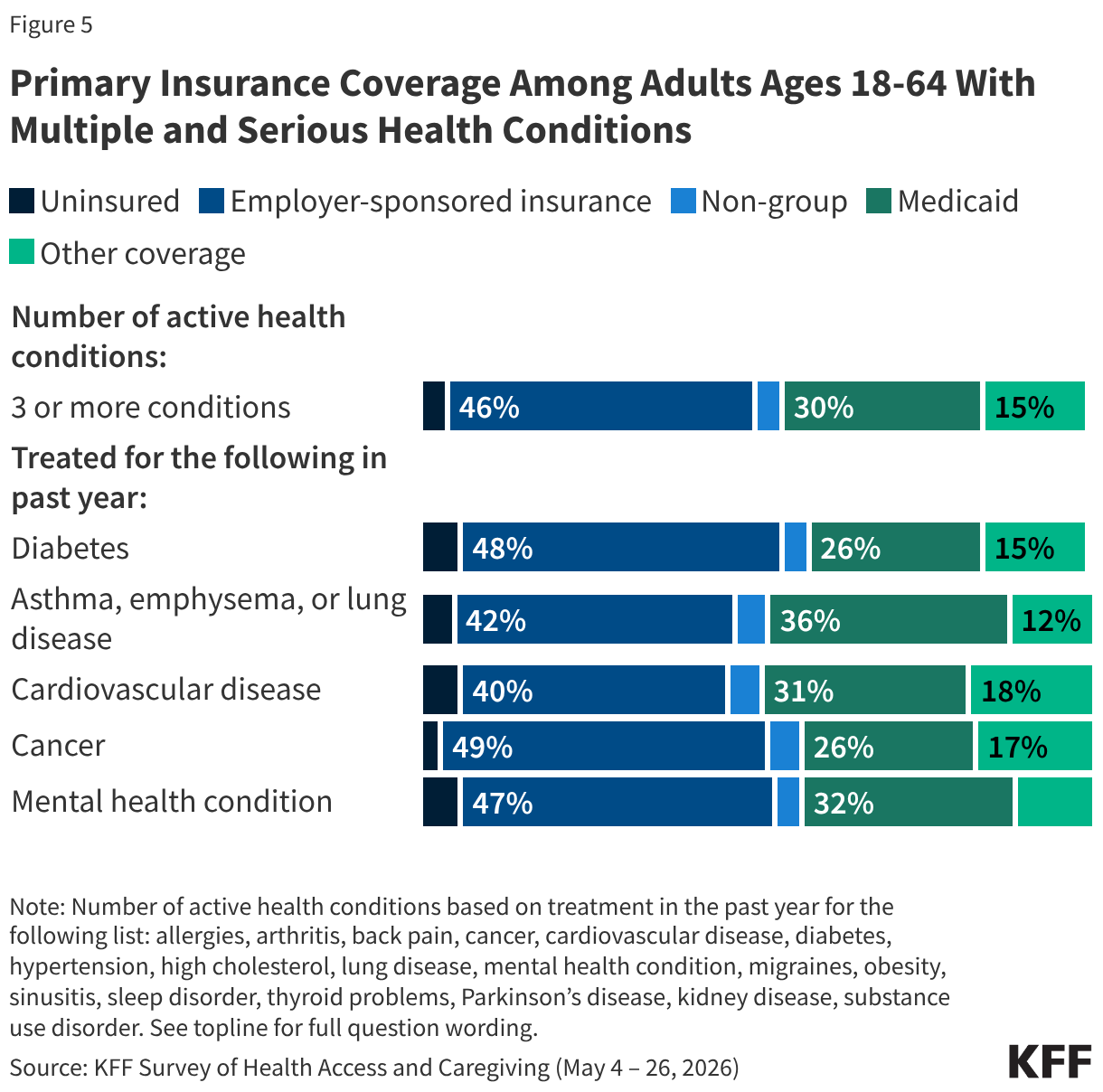
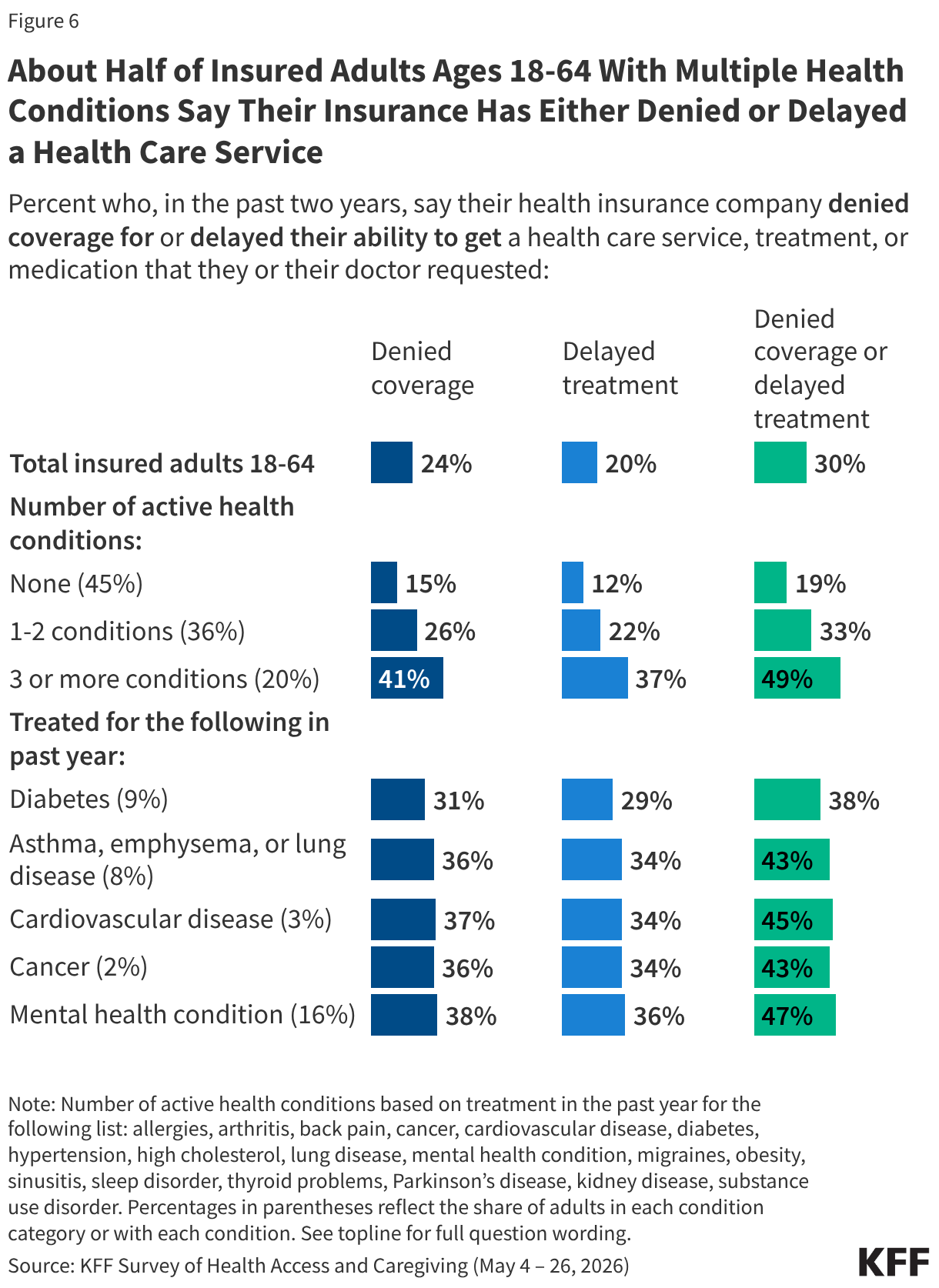
Navigating health insurance adds another layer of friction for working-age patients. Although uninsured rates among adults with serious conditions remain low—hovering between 3 and 6 percent—having insurance is no guarantee of a smooth administrative process. Nearly half of insured non-elderly adults managing multiple conditions report that their health insurance company either outright denied coverage or delayed their access to a prescribed service, treatment, or medication over the past two years. These frustrating administrative roadblocks occur at similar rates regardless of whether patients receive coverage through employer-sponsored plans, Medicaid, or non-group market policies.
Uninsured Americans Face Amplified Crises
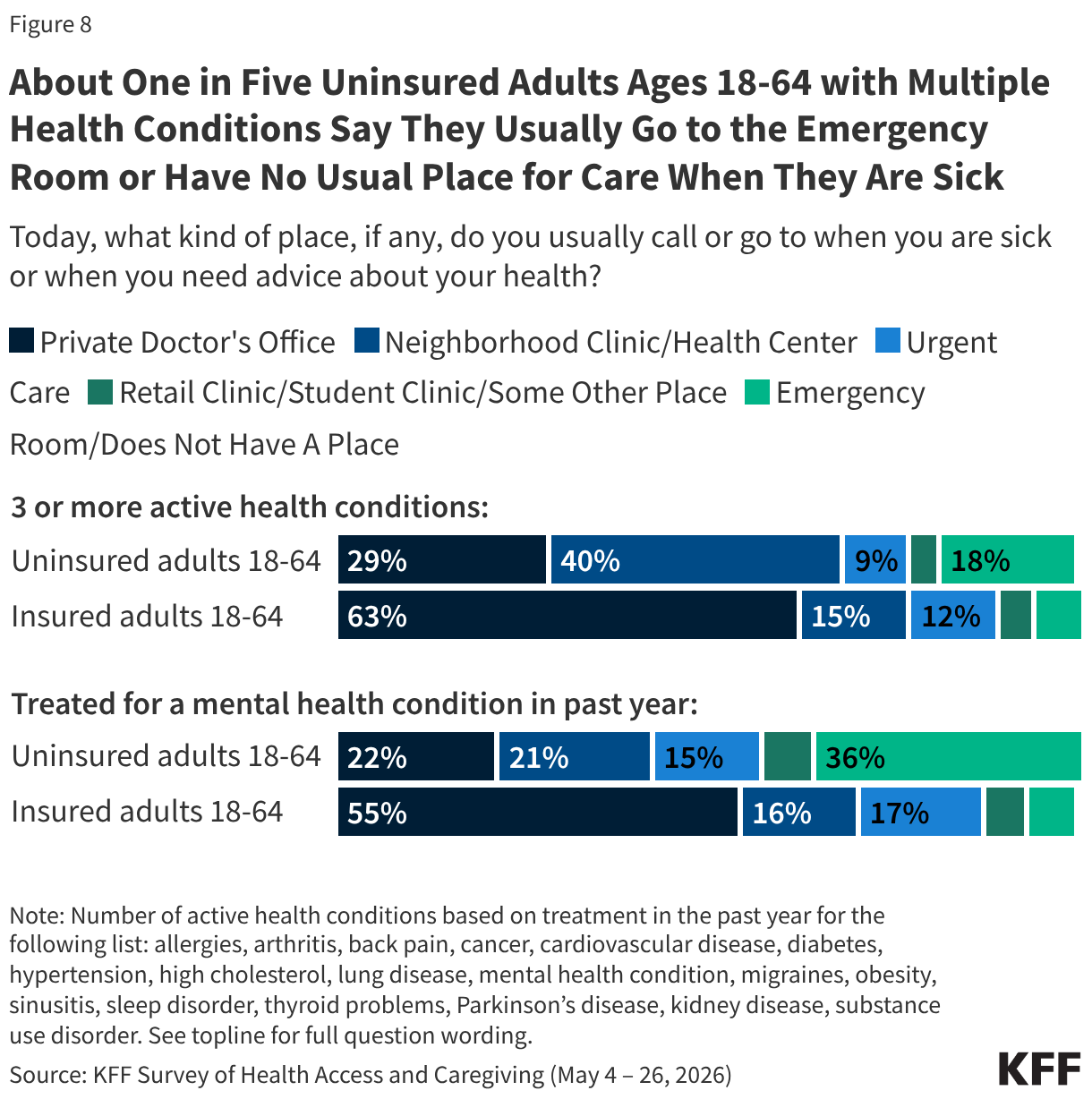
For the roughly 10 percent of working-age adults who remain uninsured, the challenges of managing serious health conditions are vastly compounded. Uninsured adults managing multiple health conditions are three times as likely as their insured peers to lack a regular source of care outside of a hospital emergency room, frequently relying instead on neighborhood clinics or public health centers.
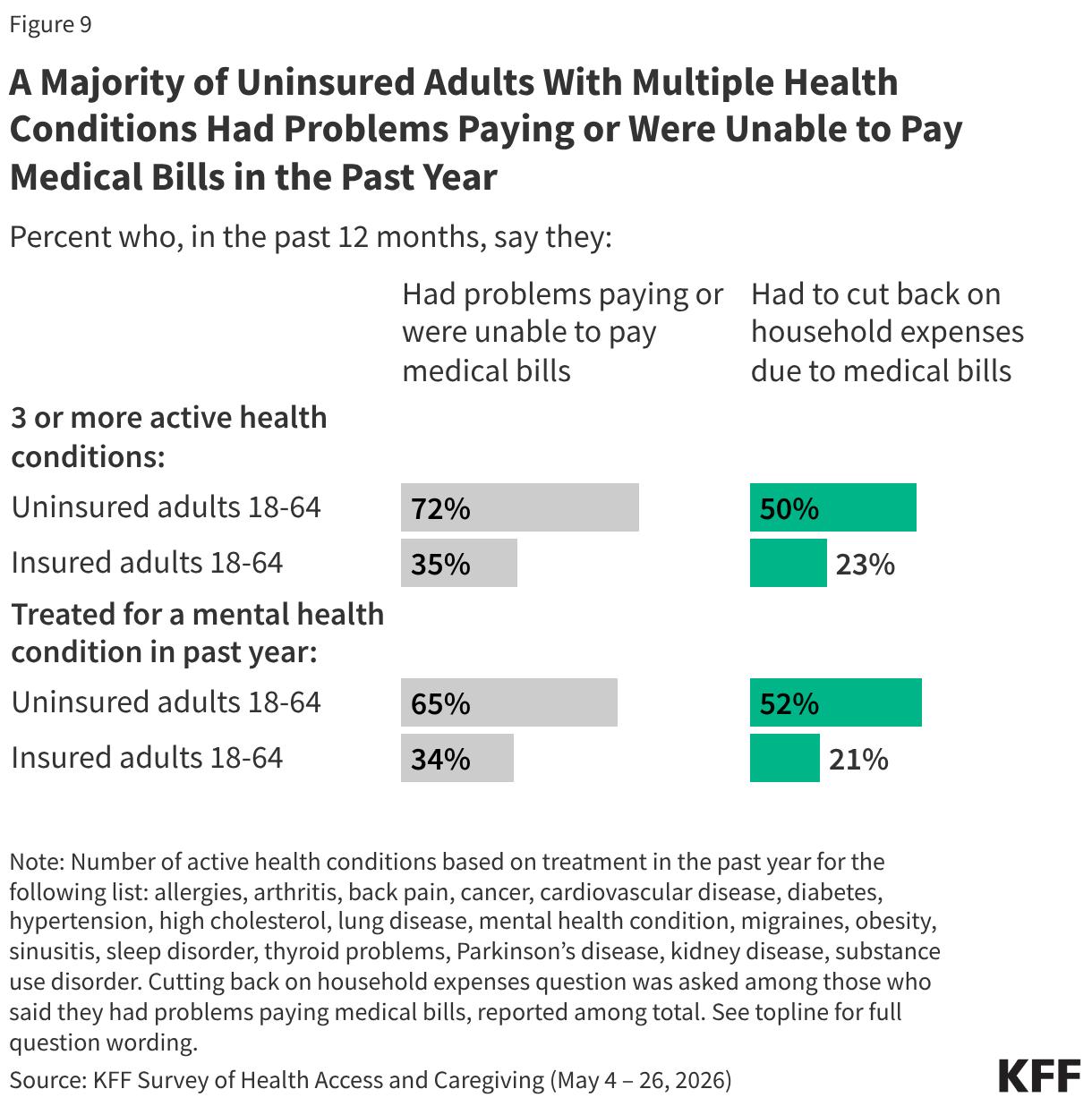
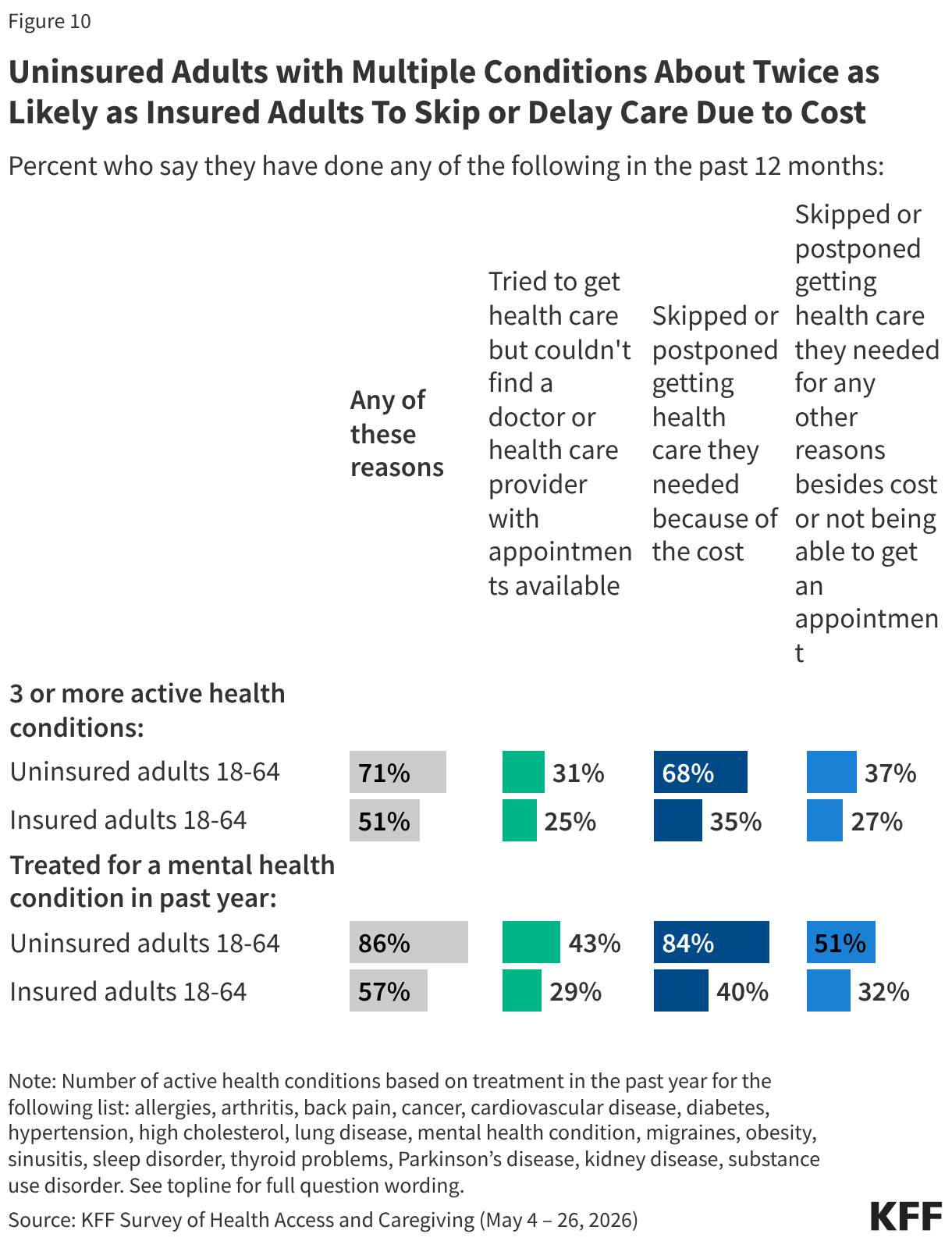
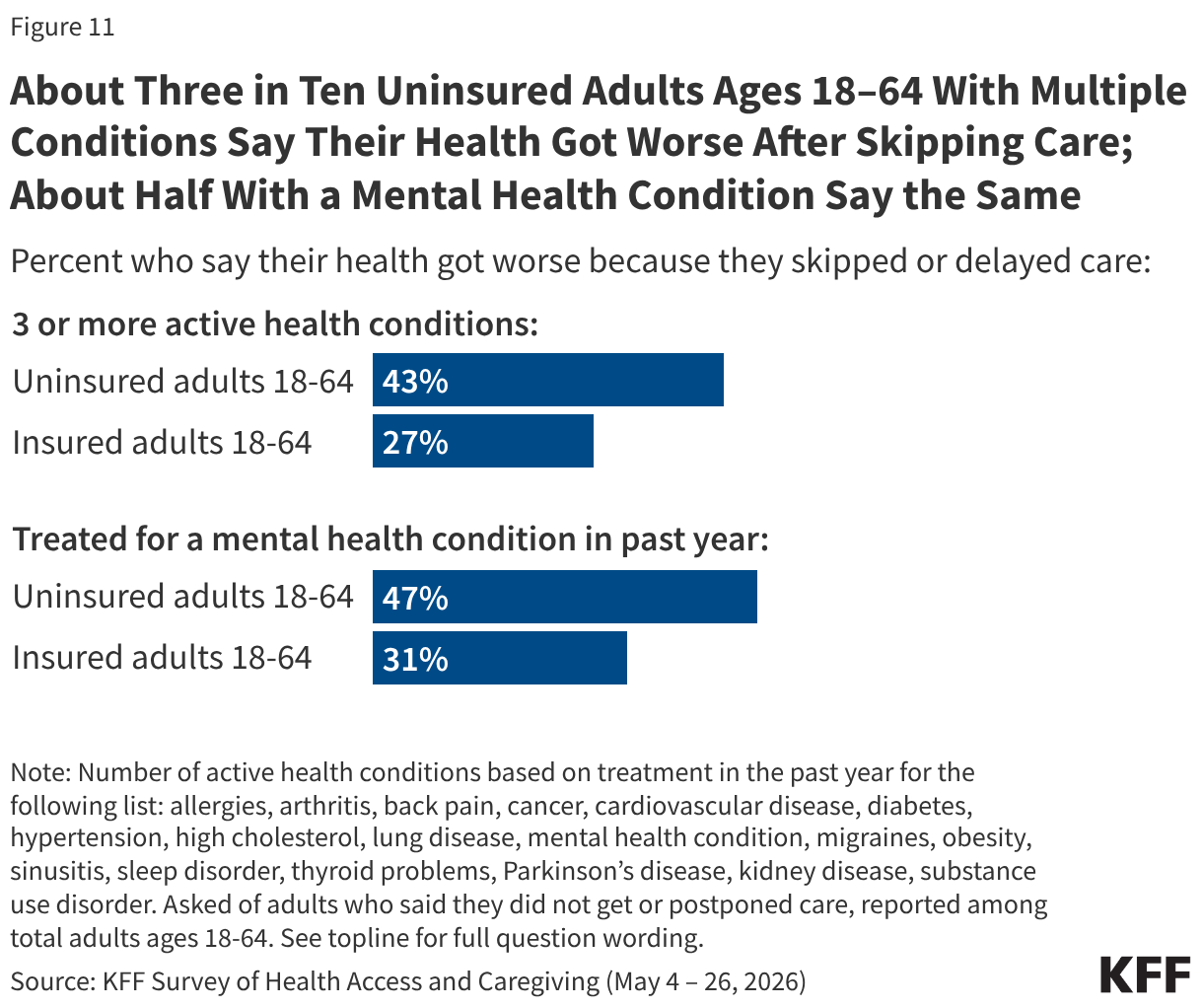
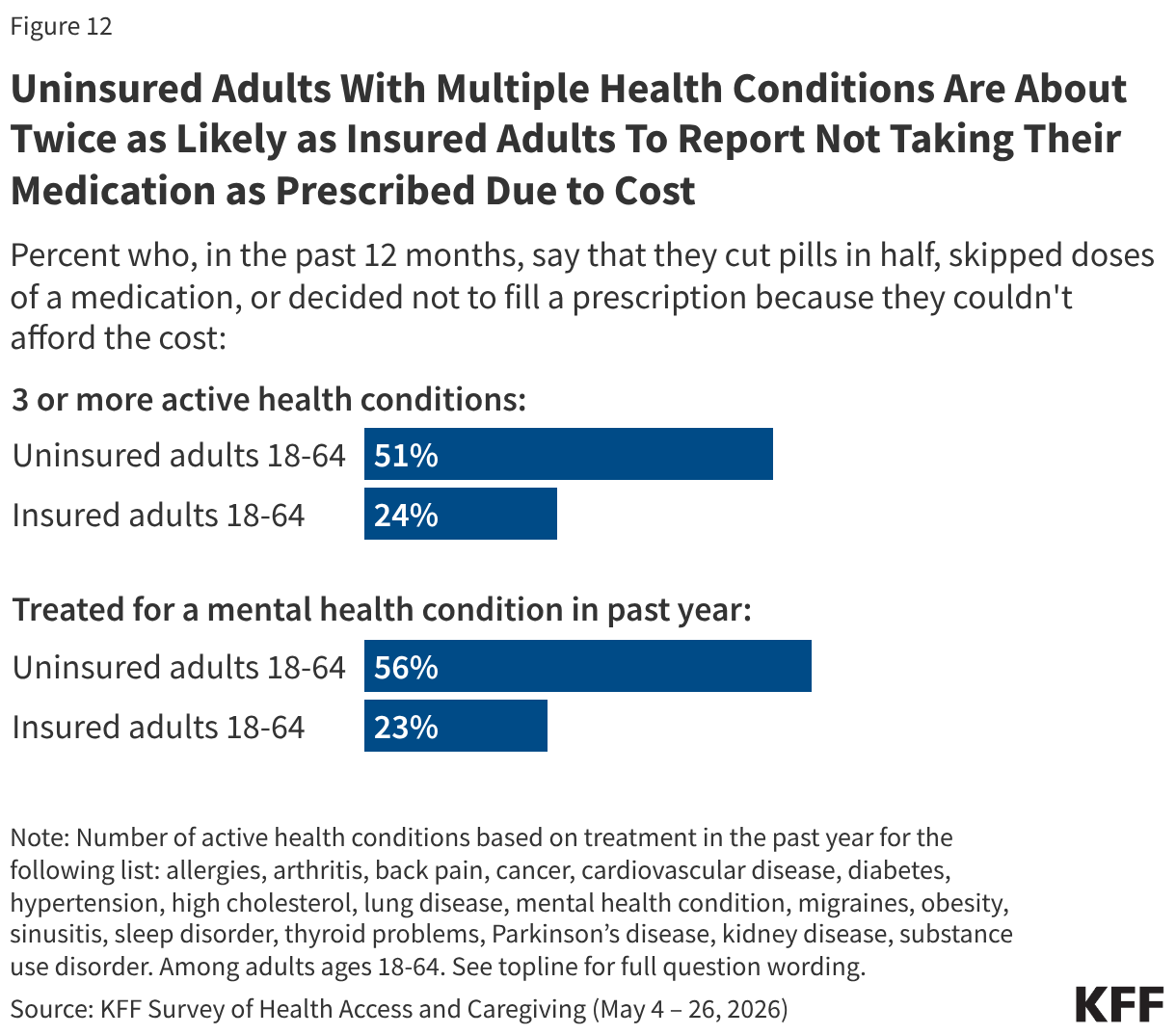
The economic and health penalties for the uninsured are severe. Approximately 72 percent of uninsured adults with multiple health conditions report struggling to pay medical bills over the past year, and half have had to curtail basic household spending. Furthermore, uninsured individuals are roughly twice as likely as insured patients to skip necessary doctor visits or ration prescribed medications due to cost, with more than half reporting that their overall health worsened as a result of deferred care.
Managing Complex Conditions Among Older Adults
While older adults benefit from broad Medicare coverage, those ages 65 and older are not immune to the cost and access pressures associated with complex health management. About 42 percent of older adults report active treatment for three or more health conditions in the past year, including nearly one in five treated for diabetes and 15 percent for cardiovascular disease.
Despite Medicare protections, one-quarter of older adults with multiple health conditions report experiencing insurance coverage denials or treatment delays over a two-year period, often tied to prior authorization requirements in Medicare Advantage or Part D prescription drug plans. Additionally, 25 percent of older seniors with multiple conditions reported failing to get necessary healthcare, and 10 percent admitted to skipping medications due to cost—rates significantly higher than those seen among healthy older peers.
Methodological details released alongside the study indicate that the KFF Survey of Health Access and Caregiving was conducted between May 4 and May 26, 2026, utilizing the SSRS Opinion Panel Mega-Omnibus. The nationally representative survey engaged 25,873 U.S. adults via web and telephone, employing rigorous quality checks and weighting protocols to ensure accuracy across key demographic and clinical subgroups.



