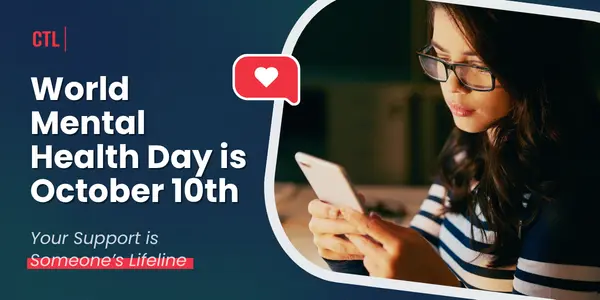
Every October 10, the global community pauses to engage in open conversations about mental health, working to dismantle stigmas and encourage proactive support. For World Mental Health Day 2026, the World Federation for Mental Health has established a resonant theme: "Lived Experiences Heard: Real Voices, Real Change." This year’s initiative serves as a powerful call to action for organizations worldwide to intentionally amplify the stories, insights, and perspectives of individuals who have firsthand experience with mental health challenges.
This guiding principle mirrors the foundational ethos of organizations like Crisis Text Line, where leaders maintain that individuals who have successfully navigated mental health crises should not merely be subjects of discussion, but active architects of future support systems. By embedding lived experiences directly into service models, mental health advocates aim to reshape how crisis intervention operates on a global scale.
Over the past year, crisis support networks have expanded their reach significantly, responding to individuals in more geographic regions and across a broader array of languages than ever before. This expansion relies heavily on community backing, ongoing volunteer engagement, and the integration of inclusive practices. Understanding what lived experience truly means within crisis intervention provides critical context for how modern mental health support continues to evolve.
What "Lived Experience" Means in Crisis Support
Organizations providing around-the-clock intervention often find that the most effective operational insights come directly from those who reach out first. Rather than designing rigid support services and expecting individuals in distress to adapt, responsive platforms build their frameworks based on real-time feedback. Every conversation initiated during a panic attack, a difficult breakup, or an unbearable night contributes valuable data on what individuals genuinely need in moments of acute vulnerability.
This approach forms the core of "lived experience heard" as a functional design principle rather than a mere campaign slogan. More than a decade of observing what works and what falls short during crisis moments allows service providers to refine how a Crisis Counselor connects with the next person in need. When individuals with personal histories of mental health struggles contribute to training programs and operational guidelines, the resulting support becomes inherently more empathetic, nuanced, and effective.
Reaching More People Through Expanded Language Access
In the context of modern global mental health initiatives, ensuring "more voices" are heard requires breaking down language barriers and crossing international borders. Crisis Text Line provides free, confidential, and continuous mental health support in both English and Spanish. A significant milestone in this ongoing expansion occurred when the organization acquired Aquí Estoy, a specialized nonprofit that historically supported individuals across twenty Spanish-speaking countries throughout Latin America, Spain, and the Caribbean.
Providing Spanish-language support has been a long-term developmental priority, and utilization metrics demonstrate a steady, growing demand. Offering assistance in an individual’s native language fundamentally changes the nature of the interaction. It bridges the gap between a text message that simply receives a reply and a message that is genuinely understood.
Language carries cultural context, specific colloquialisms, and emotional weight that cannot always be translated directly. By building Spanish-language support systems in close collaboration with the communities they serve, organizations demonstrate what lived experience looks like when applied on a global scale.
Real Voices from the Front Lines of Mental Health
The true impact of these initiatives is best understood through the perspectives of those directly involved—the texters, the volunteers, and the counselors who facilitate these vital connections. For many individuals, discovering that their feelings are valid marks a turning point in their lives.
Reflecting on her undergraduate years, one texter shared how cultural silence surrounding mental health had previously forced her to internalize immense pain and isolation. "I came to understand that my voice matters, that I matter, and that my feelings are valid," she noted. "I discovered that speaking out is powerful, and that sharing one’s story can be transformative. I remember using Crisis Text Line many times in my undergraduate years. Someone listening to me, guiding me, and supporting me, made a difference and allowed me to continue to move forward."
The journey from receiving support to offering it illustrates the circular nature of community care. Another individual recalled turning to the platform during moments of profound hopelessness and suicidal ideation. With the assistance of a volunteer who helped connect her with a therapist specializing in neurodiversity, she began a gradual recovery. Today, she serves as a volunteer Crisis Counselor herself. "I feel so privileged to help people who are undergoing the same struggles that I went through navigate through their own emotions," she explained.
Similar sentiments echo across Spanish-speaking communities utilizing the service. Anonymous texters have frequently expressed profound relief upon realizing that genuine support is available without judgment. One Spanish-speaking user shared, "Gracias al que me atendió, me siento mejor. Me hizo sentir comprendida y me hizo ver que mis sentimientos son importantes, y que hay gente que me entiende," translating to gratitude for an interaction that made her feel understood and validated. Another user highlighted the vital role of empathetic listening for those lacking local support networks, noting that knowing someone genuinely cares can transform a bleak outlook into a sense of hope for the future.
Real Change Starts with Connection
Achieving real change through real voices almost invariably begins with human connection. Loneliness and isolation frequently emerge as underlying factors in conversations between texters and Crisis Counselors, often resting quietly beneath the surface of the initial crisis that prompted the outreach.
Reaching out to someone who has grown quiet or distant does not require flawless phrasing or extensive commentary. Simple observation and a willingness to show up can initiate a meaningful bridge. Resources on recognizing and addressing loneliness help individuals learn how to support friends, family members, or colleagues who may be silently struggling with isolation.
Sustaining Lifesaving Conversations
The ongoing availability of confidential, judgment-free crisis support relies entirely on the infrastructure that makes these conversations possible. Trained Crisis Counselors, sophisticated cross-language technology, and continuous operational readiness during the late-night hours require sustained community investment and support.
As World Mental Health Day 2026 highlights the importance of amplifying real voices, organizations continue to invite public involvement to sustain these lifesaving services. Individuals seeking immediate support, or those looking to connect with a trained volunteer Crisis Counselor, can access free, confidential assistance 24 hours a day by texting CONNECT to 741741.