
Mental Health Awareness Month arrives each year as a dedicated time to bring national and community attention to a fundamental aspect of life that connects every individual: mental health. Far from being a separate or isolated facet of human existence, mental health is deeply woven into our daily routines, decisions, and overall well-being. It is a universal reality that touches everyone, whether through personal journeys, the quiet struggles of loved ones, or the profound grief of losing someone in our lives.
At various points throughout life, nearly everyone experiences moments of feeling overwhelmed, deeply uncertain, or entirely unsure how to articulate the heavy emotions they are carrying. Organizers, mental health advocates, and support organizations emphasize that these difficult moments are not indications of personal weakness or failure. Instead, they are recognized as an intrinsic part of the shared human experience. Acknowledging this reality is a vital first step in dismantling long-held stigmas and fostering a culture where seeking help is viewed as an act of courage rather than a vulnerability to hide.
As communities observe Mental Health Awareness Month, the focus extends beyond mere recognition; it serves as an active call to action. Individuals are encouraged to approach their own well-being with intentional care and compassion while extending empathy and understanding to those around them. Life’s unpredictable nature means that support networks are essential for navigating periods of crisis. For anyone currently navigating a difficult period, resources like the Crisis Text Line remain accessible around the clock, offering a confidential lifeline by texting CONNECT to 741741 for free, 24/7 support from trained volunteer counselors.
Mental Health—Why Do We Struggle?
Understanding why individuals struggle with mental health requires recognizing that there is no single, uniform cause. Every person’s psychological and emotional landscape is shaped by a complex interplay of their unique circumstances, personal relationships, and immediate environment. Despite the individuality of these experiences, several common threads frequently impact large segments of the population.
Everyday stressors can accumulate significantly over time, taking a heavy toll on psychological resilience. Professional responsibilities, academic pressures, financial instability, family dynamics, and interpersonal relationships often compound silently. Even when individual stressors appear manageable on their own, their cumulative effect can gradually alter how a person thinks, feels, and functions in their daily routine.
Major life transitions represent another significant factor influencing mental stability. Periods of profound change—whether anticipated or sudden—frequently bring a mixture of excitement and deep uncertainty. Milestones such as starting a new career, relocating to an unfamiliar city, graduating from school, navigating structural shifts within a family, or experiencing loss can all trigger varied mental health responses. Importantly, both positive and negative life changes possess the capacity to feel overwhelming as individuals attempt to adapt to new realities.
Beyond everyday stressors and transitions, individuals frequently confront deeper and more impactful experiences, including trauma, abuse, substance use, or living with diagnosed mental health conditions. These profound circumstances fundamentally shape how people process complex emotions, cope with chronic stress, and relate to the wider world. Recognizing that these multifaceted challenges are common human responses rather than isolated anomalies helps create safe spaces for open dialogue, mutual support, and gradual healing.
Mental Health Issues That We Face
Mental health challenges rarely manifest in isolation; instead, they frequently take multiple forms and overlap in complex ways. For instance, an individual grappling with severe financial instability may simultaneously experience intense anxiety, while profound grief can easily intersect with clinical depression or chronic loneliness. Gaining a clearer understanding of these overlapping conditions enables communities to better recognize the hidden struggles that friends, family members, or colleagues might be enduring.
When everyday pressures collide with biological and environmental vulnerabilities, the resulting mental health issues can become deeply disruptive. Common challenges range from generalized anxiety and persistent depressive symptoms to the heavy weight of isolation and trauma-related distress. Experiencing any of these conditions does not mean an individual is isolated or beyond the reach of effective assistance. Rather, they are recognized as natural, albeit difficult, human responses to extraordinary circumstances, and viable pathways to healing do exist.
For those finding themselves overwhelmed by these overlapping struggles, professional and community-based intervention systems offer a non-judgmental space to decompress. Organizations like the Crisis Text Line are structured to provide immediate, empathetic listening through live, trained volunteer Crisis Counselors. Available entirely free of charge and with strict confidentiality, the service ensures that anyone experiencing a difficult moment can reach out at any hour of the day or night by texting CONNECT to 741741.
Mental Health Stories and Words of Support from Our Community
While mental health remains a deeply personal and individual journey, it is simultaneously an experience shared collectively across society. Throughout Mental Health Awareness Month, advocacy groups and support platforms place a strong emphasis on amplifying the voices of individuals who have navigated these exact challenges firsthand.
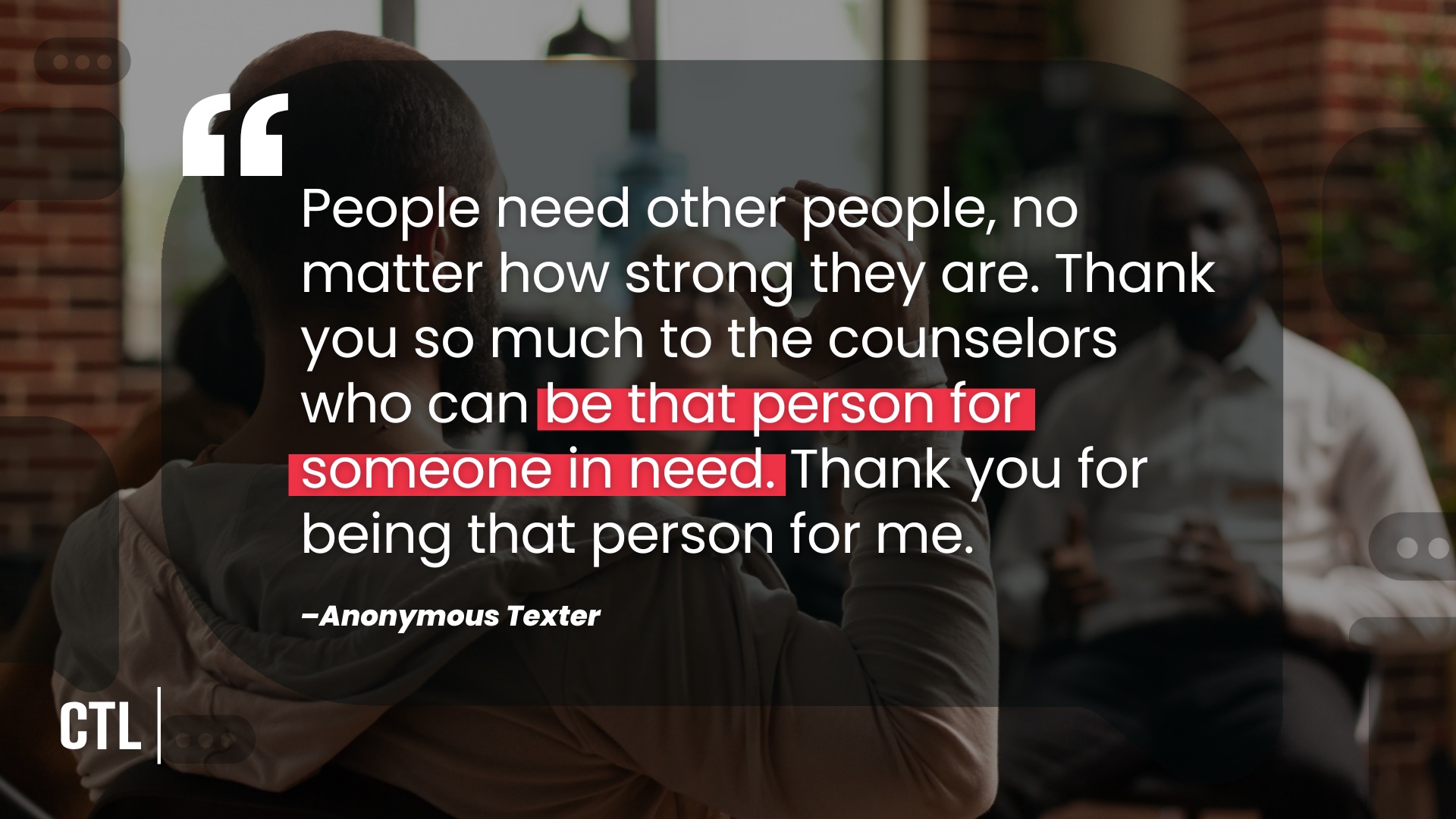
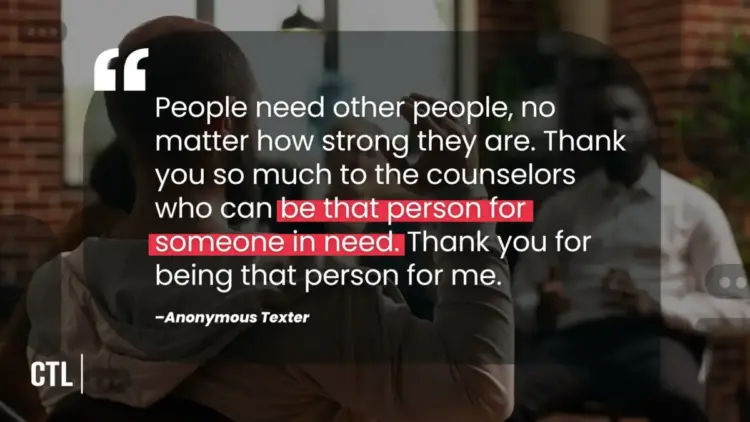
Members of broader support communities frequently share powerful, candid narratives detailing their personal paths through severe anxiety, the long process of coping with profound loss, the work required to mend strained relationships, and the discovery of unexpected hope during dark periods. These shared testimonies serve as a vital reminder that while no two individual journeys look identical, immense comfort can be found in realizing that others have felt parallel emotions and successfully found ways to move forward.
Whether through an individual recounting the immense courage it took to utter the words "I need help" or someone reflecting on how a single, empathetic conversation fundamentally altered their perspective and made them feel less alone, these accounts underscore the life-saving importance of human connection. Exploring these community narratives provides reassurance, broadens perspectives, and offers tangible encouragement. No matter where an individual currently finds themselves on their personal mental health journey, their lived experience matters, and they are entirely deserving of compassionate support.
Elevate Mental Health Awareness—This Month and All Year Round
The myriad reasons why individuals struggle with mental health—ranging from the cumulative weight of daily stressors to life-altering traumatic events—underscore the reality of what it means to be human. Although these challenges can frequently induce profound feelings of isolation, they simultaneously form a common thread that connects communities across demographic lines.
Mental Health Awareness Month functions as an essential annual opportunity to actively challenge lingering social stigmas, initiate vulnerable conversations, and remind one another that perfection is not a prerequisite for worth. It serves as a dedicated reminder to prioritize self-care while keeping a watchful, empathetic eye on the well-being of neighbors, friends, and coworkers.
Ultimately, no matter what difficulties an individual or someone in their circle may be facing, the message from public health advocates remains clear: nobody has to navigate their struggles in isolation, and dependable support is always within reach. The Crisis Text Line remains operational 24 hours a day, seven days a week, providing a direct connection to live, trained volunteer Crisis Counselors for anyone who texts CONNECT to 741741. For those inspired by the ongoing mission to expand mental health awareness and ensure universal access to empathetic crisis intervention, community contributions and financial gifts help sustain these vital services, ensuring that anyone, anywhere, can be met with compassion during their most vulnerable moments.



