As the political landscape shifts toward the upcoming 2026 election cycle, advocacy groups and community organizations across the United States are redoubling their efforts to ensure that every eligible citizen has the opportunity to make their voice heard. Recent data underscores the significant potential impact of inclusive voter turnout: research highlights that if voters with disabilities cast ballots at the same rate as voters without disabilities, roughly two million more voices would actively participate in shaping American democracy.
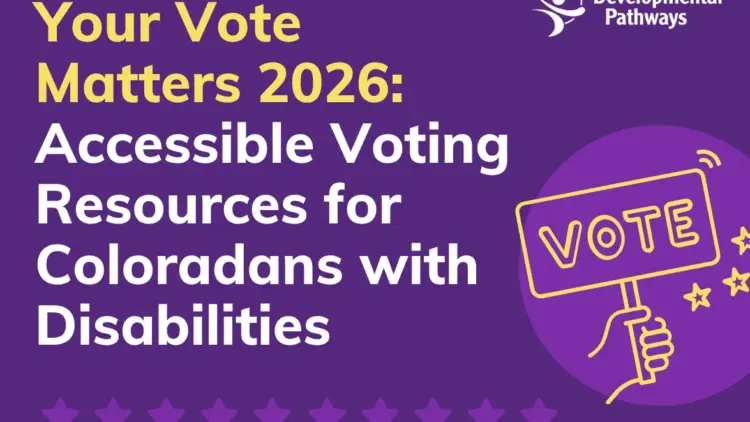
In Colorado, Developmental Pathways (DP), a prominent community organization dedicated to supporting individuals with intellectual and developmental disabilities, is leading the charge locally. The organization has reaffirmed its core commitment to helping individuals with disabilities fully participate in all aspects of community life, with civic engagement and voting standing as critical pillars of that mission. To bridge the participation gap and ensure a smooth voting experience, Developmental Pathways has released a comprehensive suite of information and resources designed specifically to support Colorado voters with disabilities as they prepare for the 2026 election.
The initiative comes at a crucial time when civic accessibility remains a focal point for election administrators and disability advocates alike. Ensuring that the electoral process is navigable, transparent, and fully accessible is essential to fostering a representative government that genuinely reflects the diverse populations it serves.
Your Right to Vote
A foundational element of the outreach campaign is ensuring that voters understand their legal protections and absolute rights under state law. In Colorado, having a guardian or other legal decision-maker does not affect an individual’s right to vote. This is a vital distinction that frequently causes confusion among voters, families, and caretakers.
Under Colorado law, any resident who is 18 years of age or older and meets the state’s basic eligibility requirements holds the independent right to vote and make their own ballot choices. Legal guardianship over personal or financial matters does not strip away fundamental constitutional voting rights. For those seeking detailed verification of their status, the Colorado Secretary of State’s office provides comprehensive eligibility guidelines, alongside a dedicated Voters with Disabilities Frequently Asked Questions page designed to clarify specific accommodations and regulations.
Furthermore, voters who encounter barriers or have questions regarding their rights are encouraged to utilize state protection systems. Disability Justice Colorado, which serves as the state’s designated Protection and Advocacy System, stands ready to assist residents. The organization helps individuals understand their voting rights, learn about available accessible voting options, and file formal complaints or seek remediation if their rights are violated during the electoral process.
Make a Plan to Vote
Recognizing that logistical preparation is one of the most effective ways to combat voter disenfranchisement, Developmental Pathways is encouraging community members to map out their participation strategy well in advance. To facilitate this, the organization has made a specialized planning tool available, known as the "My Voting Plan" sheet, which voters can easily print and complete to organize their schedule, transportation, and ballot submission methods.
Colorado’s decentralized and mail-in voting system offers multiple avenues for participation, each equipped with specific safeguards to ensure accessibility. Under state mandates, every Voter Service and Polling Center (VSPC) throughout Colorado is legally required to be fully accessible to individuals with disabilities. This includes physical accessibility of facilities, accessible ballot marking devices that allow for private and independent voting, and trained poll workers equipped to assist voters while respecting their privacy and autonomy.
Voters also retain the flexibility to choose how they return their ballots, whether by utilizing secure drop boxes, mailing them through the postal service, or voting in person at a designated polling center. To provide peace of mind throughout the process, the Colorado Secretary of State’s office operates BallotTrax, an online tracking tool that allows voters to monitor the progress of their mail-in ballot from the moment it is printed and mailed until it is officially received and accepted by election officials.
Understanding Your Ballot
Casting an informed ballot is just as critical as the physical act of voting itself. Navigating complex ballot measures, judicial evaluations, and candidate platforms can be a daunting task for any voter. To address this, numerous civic organizations, nonpartisan groups, and advocacy networks publish voter guides designed to break down ballot content into understandable terms.
Developmental Pathways emphasizes the importance of utilizing trusted, transparent sources that align with an individual’s personal values, noting that organizations vary widely in their political perspectives and affiliations. To assist voters in navigating this landscape, the organization has compiled a curated collection of nonpartisan ballot guides and educational resources specifically aimed at helping individuals make informed decisions in the 2026 election.
As the election cycle progresses and more organizations release their analyses and guides, Developmental Pathways plans to continuously update its resource library. Voters and community members are encouraged to check back frequently for the latest additions, ensuring they remain fully equipped with the knowledge and tools necessary to make a meaningful impact at the ballot box.