As the political landscape prepares for the upcoming 2026 election cycle, advocacy and community organizations across the United States are placing a renewed focus on a vital yet historically underrepresented demographic: voters with disabilities. National data underscores the profound impact this community could have on the democratic process. According to research cited by the U.S. Election Assistance Commission, if voters with disabilities cast their ballots at the exact same rate as voters without disabilities, approximately two million additional voices would actively participate in shaping local, state, and national policy.
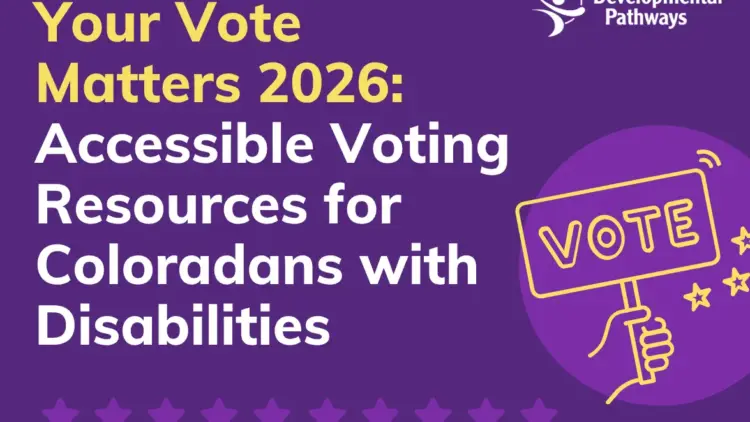
To bridge this participation gap at the local level, Developmental Pathways (DP), an organization deeply committed to fostering inclusive communities, has rolled out a comprehensive informational initiative. The program is designed to ensure that individuals with intellectual and developmental disabilities have the necessary tools, knowledge, and confidence to fully exercise their civic rights in Colorado’s 2026 elections. By breaking down barriers to information and offering accessible resources, the initiative seeks to turn potential into action, ensuring that every eligible citizen’s voice is heard at the ballot box.
Your Right to Vote
A cornerstone of the initiative is educating the public—and voters themselves—about the absolute legal protection of voting rights in Colorado. Misconceptions often surround civic participation for individuals who rely on legal support systems. In Colorado, having a guardian or another designated legal decision-maker does not strip an individual of their fundamental right to cast a ballot.
State regulations are clear: any resident who is 18 years of age or older and meets the state’s basic eligibility requirements holds the legal autonomy to vote and make independent choices on their ballot. To reinforce this, organizations point prospective voters toward official channels, such as the Colorado Secretary of State’s voter eligibility guidelines and the specialized Voters with Disabilities Frequently Asked Questions page, which detail the legal protections and accommodations available to the electorate.
Furthermore, navigating potential obstacles or safeguarding these rights is supported by specialized state entities. Disability Justice Colorado, which serves as the state’s designated Protection and Advocacy System, plays a critical role in this ecosystem. The organization is equipped to help individuals thoroughly understand their voting rights, explore accessible voting technologies, and file formal complaints should anyone face barriers or violations of their legal rights during the electoral process.
Make a Plan to Vote
Transitioning the right to vote into the act of voting often requires careful preparation. Recognizing the logistical hurdles that any voter might face, Developmental Pathways has developed practical resources to streamline the process, including a downloadable and printable planning tool titled "My Voting Plan." This document helps voters organize their schedules, identify their preferred method of casting a ballot, and map out their approach well in advance of Election Day.
Colorado’s election infrastructure is designed with accessibility as a mandatory priority. Every Voter Service and Polling Center (VSPC) across the state is legally required to meet rigorous accessibility standards, ensuring physical access, assistive marking devices, and trained staff to assist voters who require specialized support. In addition to in-person voting options, Colorado’s mail-in voting system provides multiple avenues for returning completed ballots securely.
To maintain transparency and peace of mind throughout the voting process, the Colorado Secretary of State provides the BallotTrax tool. This digital resource allows voters to track their mail ballot online in real-time, offering confirmation from the moment the ballot is printed and mailed out by election officials to the moment it is received and accepted by the county clerk’s office.
Understanding Your Ballot
Casting a ballot effectively requires more than just showing up or returning an envelope; it demands informed decision-making. Navigating a complex ballot filled with candidates, constitutional amendments, and statutory propositions can be daunting for any voter. A wide variety of organizations—ranging from nonpartisan civic groups to special interest entities—publish voter guides designed to break down these ballot measures in accessible language.
Because these guides vary in perspective, election advocates emphasize the importance of selecting trusted, transparent sources that align with an individual’s personal values and priorities. To assist voters in navigating this landscape, Developmental Pathways has compiled a curated collection of ballot guides and educational resources specifically tailored for the 2026 election cycle. As organizations across the state continue to release their analyses and recommendations in the lead-up to election day, Developmental Pathways plans to continuously update its repository to ensure voters have access to the most current and comprehensive information available.