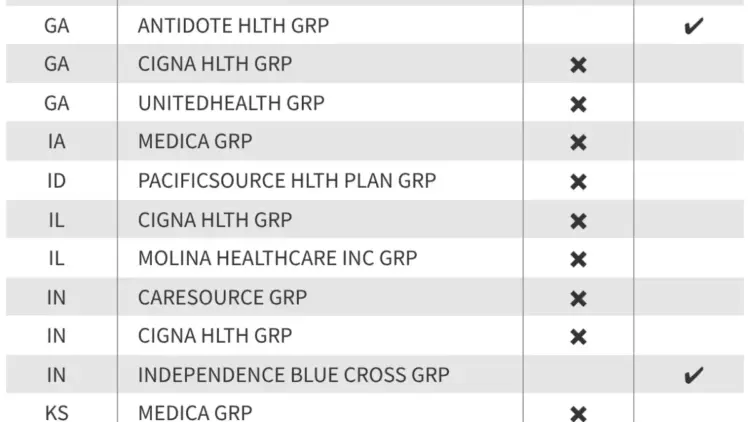
As the health insurance industry continues to navigate a shifting regulatory and financial landscape, recent updates reveal a notable contraction among private carriers participating in the Affordable Care Act (ACA) Marketplaces. According to tracking data updated through late October 2026, at least 11 carriers have officially announced their intention to exit the ACA Marketplaces entirely or partially across various state exchanges for the upcoming 2027 plan year. This contraction in insurer participation stands in stark contrast to the concurrent moves of just seven carriers that have announced plans to enter new state marketplaces during the same period.
These strategic pivots by major health insurance providers follow closely on the heels of a monumental policy shift at the federal level: the expiration of enhanced premium tax credits at the end of 2025. The lapse of these heightened subsidies has triggered immediate, widespread repercussions across the individual insurance market. During the subsequent open enrollment periods, marketplace sign-ups fell by over a million individuals from 2025 to 2026. Industry experts and health policy analysts anticipate that membership declines within the ACA Marketplaces will continue to compound as the current year progresses, creating a vastly different operating environment for participating health plans.
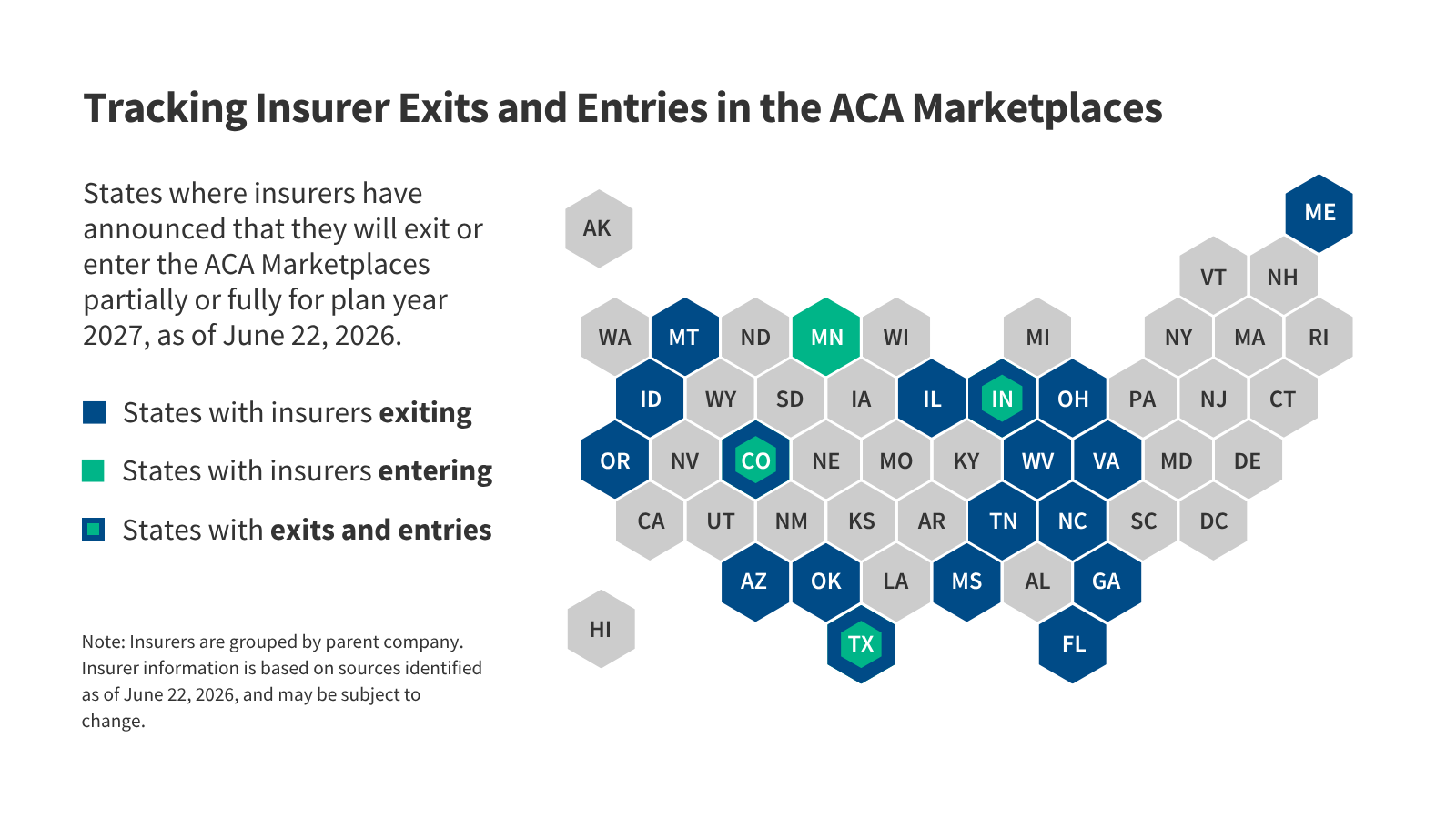
The steady erosion of marketplace enrollment carries profound implications not only for the sheer size of the potential market available to insurers, but also for the delicate stability of the risk pool. When government-subsidized premiums rise sharply due to the loss of enhanced tax credits, enrollees who perceive themselves to be healthier and lower-cost are frequently the first to drop coverage, deciding that the out-of-pocket costs no longer justify the investment. Conversely, individuals with chronic conditions or higher expected medical needs are far more likely to maintain their policies out of absolute necessity. This dynamic can lead to adverse selection within the remaining risk pool, driving up average medical claims costs for insurers and prompting a fresh round of reassessments regarding the long-term profitability of maintaining a footprint on the public exchanges.
As overall marketplace participation shrinks, insurers are increasingly forced to reevaluate whether the administrative and financial commitments required to offer individual market plans remain aligned with their overarching corporate growth strategies. A prominent example of this strategic realignment is found in the decisions made by major national players like Cigna. The Cigna Group has officially decided to exit the individual market altogether heading into the 2027 plan year, choosing instead to concentrate its capital and operational focus on other core growth platforms across the enterprise. Company leadership has pointed to the relatively small and shrinking nature of their individual market footprint in recent years as a primary driver behind the departure.
Cigna, which reported first-quarter on-exchange enrollment figures exceeding 350,000 individuals, will systematically wind down its operations and exit the 11 states where it currently maintains a presence across both on- and off-exchange individual markets. The departure of a carrier of this scale underscores a broader industry trend where insurers are opting to trim peripheral business lines to double down on more lucrative or scalable segments of healthcare delivery and financing.
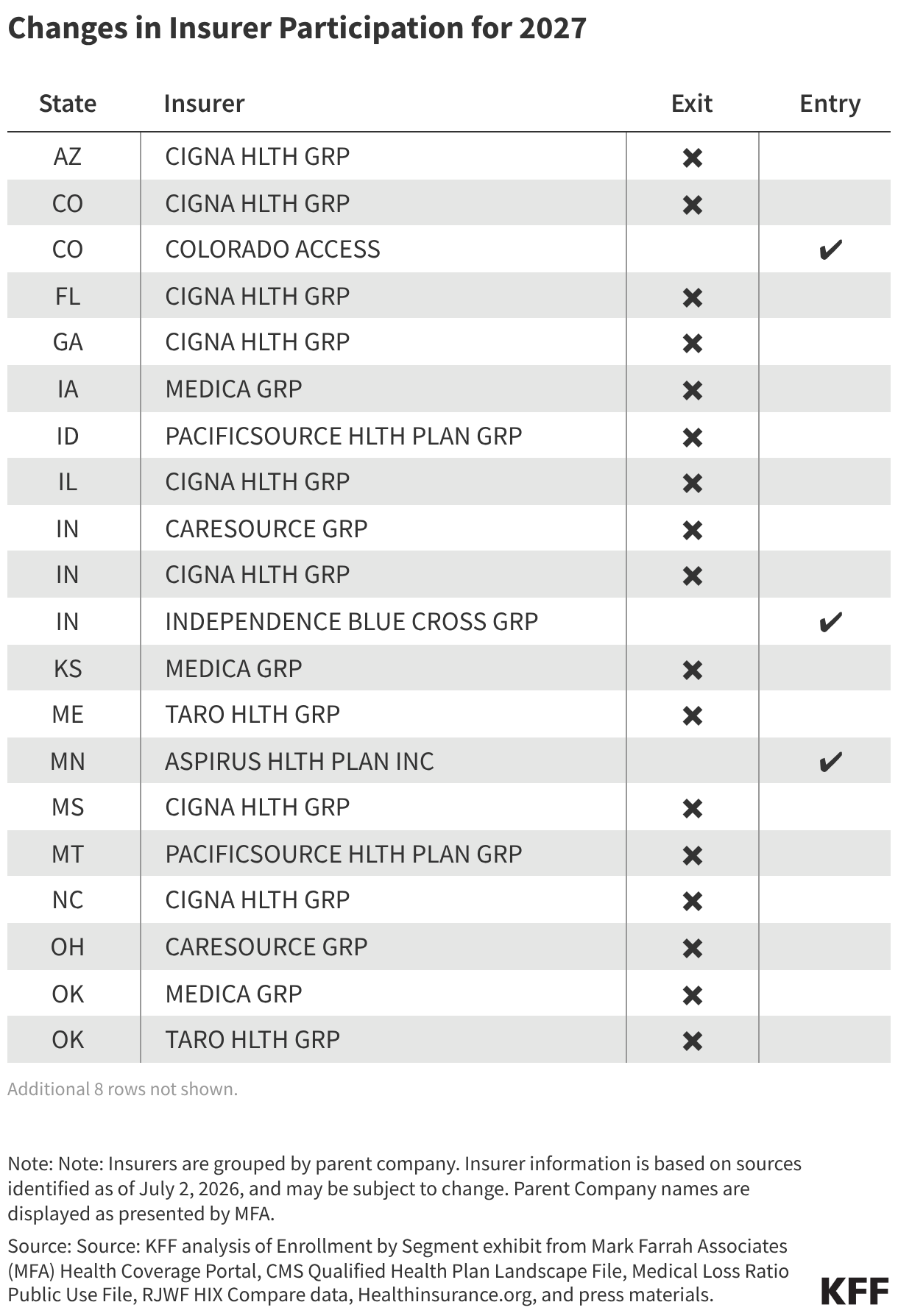
The consequences of these widespread exits are expected to be felt most acutely at the local level. In several states, multiple carriers have simultaneously announced their withdrawals for 2027, compounding the localized impact on market competition. As fewer insurers remain active within specific state and regional ACA Marketplaces, the competitive pressure that helps keep premium growth in check and consumer benefits robust begins to dissipate. Consequently, consumers residing in these affected regions are left facing a significantly narrower array of choices when selecting health coverage for themselves and their families, heightening concerns about affordability and access as the healthcare sector prepares for the 2027 plan year.