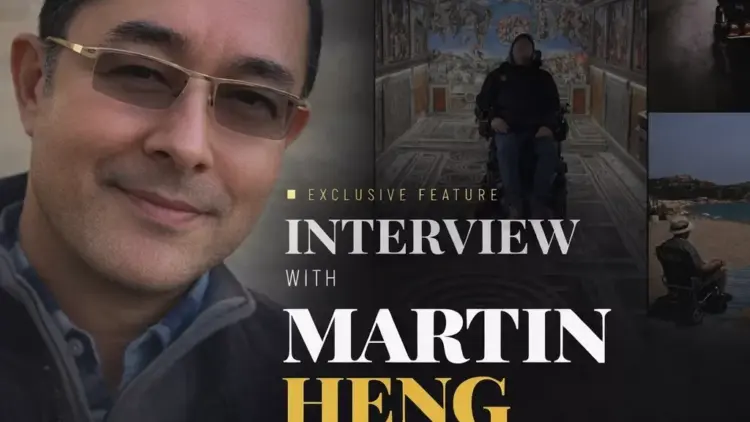
In an in-depth conversation on inclusive tourism, Ashley Olson, founder of WheelchairTraveling.com, joined Martin Heng, a former Lonely Planet authority now driving accessibility initiatives across Australia, to examine the current state of accessible travel in Melbourne and the broader Australian landscape. While evaluating Melbourne highly on a global scale, Heng highlighted a complex mix of triumphs and ongoing systemic hurdles. The discussion provided an expansive look into urban transit, venue design, regional success stories, and the urgent commercial imperative for the tourism industry to embrace an aging, multi-faceted global traveling public.
Heng’s assessment underscored that while Melbourne possesses many world-class features for travelers with disabilities, true accessibility requires looking beyond physical infrastructure. The dialogue stressed the necessity of moving past common misconceptions that frame accessibility purely around wheelchair ramps and accessible restrooms, calling instead for broader disability awareness and a realization of the significant economic potential inherent in inclusive travel.
Melbourne Wheelchair Accessibility Review
When reviewing Melbourne’s overall standing as an accessible destination for wheelchair users, Heng assigned the city a strong rating, noting that its core urban public transport and public infrastructure compare favorably with major metropolitan areas globally. However, he cautioned that high-level ratings can obscure practical operational challenges that travelers encounter on the ground.
A primary area of concern involves the operational mechanics of the suburban and urban rail network. While train infrastructure is substantially accessible, seamless travel still depends heavily on manual intervention. Rail passengers using wheelchairs rely on train drivers to deploy physical ramps at station platforms. To ensure passengers are disembarked at the correct destination, drivers frequently utilize low-tech memory aids, such as sticking post-it notes on the driver’s control console. While functional, this reliance on individual human memory highlights a gap between integrated accessible design and daily operational realities.
The city’s iconic tram network presents a more significant challenge for travelers with mobility limitations. Despite ongoing modernization efforts, Melbourne’s tram system exhibits marked inconsistency across its network. Low-floor trams, which allow step-free boarding, are not universally deployed across all routes. Furthermore, even when low-floor trams are operational, they must align with specifically elevated accessible stops to allow safe entry and exit for wheelchair users. The uneven distribution of accessible tram stops and vehicle rolling stock across the urban grid creates unpredictable travel conditions, forcing visitors to meticulously plan routes in advance.
Accessible Transportation in Melbourne
Beyond rail and tram networks, point-to-point road transportation in Melbourne offers both substantial advantages and notable efficiency bottlenecks. Heng commended the region’s dedicated wheelchair-accessible taxi fleet, describing it as a major strength of the national transport ecosystem. Melbourne’s accessible taxis predominantly consist of spacious vans fitted with versatile internal layouts, including seats that flip up to accommodate single or multiple wheelchair users simultaneously.
Despite the robust size of the vehicle fleet, dispatch mechanics introduce friction for travelers. Booking an accessible van through central dispatch networks can result in extensive delay, with wait times occasionally reaching up to two hours during peak demand. To bypass these delays, Heng noted that experienced local and visiting travelers often develop direct relationships with individual accessible taxi drivers, arranging scheduled pick-ups independently to guarantee reliable transportation.
This extensive van-based taxi infrastructure is a distinct asset for Melbourne—and nearby major hubs like Sydney—when compared to transportation networks in many other developed and developing nations. Yet, upon arrival at a destination, travelers frequently face micro-level physical barriers. Many retail shops, restaurants, and commercial storefronts throughout Melbourne maintain single threshold steps at their primary entrances. These small architectural obstacles, widespread in cities globally, create immediate barriers for visitors attempting to enter commercial establishments independently.
Melbourne Accessibility Challenges and Cultural Inclusivity
Despite physical threshold barriers at individual storefronts, Melbourne’s major cultural precincts and civic developments demonstrate high standards of universal design. Heng highlighted key municipal assets located within the South Central Business District, including the Royal Botanic Gardens and the city’s major museum complex, as exemplary accessible locations.
Melbourne’s museum sector, in particular, is expanding the definition of accessibility beyond physical mobility. Cultural institutions in the city are emerging as leaders in accommodating neurodiverse populations, offering specialized tools such as sensory kits and designated quiet rooms for visitors who experience sensory overload. These developments reflect a growing awareness that accessibility encompasses cognitive, sensory, and hidden disabilities alongside physical accommodations.
To assist travelers in navigating public venues, local systems offer structural support programs. Under the Companion Card initiative, eligible visitors accompanied by a support worker or carer receive a complimentary second ticket for their attendant at participating sports, arts, and cultural events, significantly reducing the financial burden of attending public activities.
Civic sanitation infrastructure has similarly advanced. Public restrooms across Melbourne and Australia are widely mapped through the National Toilet Map, a dedicated application that details accessible facilities nationwide. Furthermore, Australia is seeing an increase in "Changing Places" facilities—specialized public amenities equipped with adult-sized changing tables and hoists. Because these facilities cater to individuals with severe or complex physical disabilities, access is restricted to qualified users to ensure cleanliness, safety, and operational integrity.
Addressing Barriers Across Manual and Power Wheelchair Users
The physical landscape impacts travelers differently depending on their specific mobility equipment. The distinction between manual wheelchair users and power wheelchair users is critical when navigating urban environments. Manual wheelchairs, while lighter and easier to transport, require significant physical exertion or assistance when encountering steep inclines or small threshold steps. Power wheelchairs offer greater autonomy over distance and rough terrain but are heavier and less adaptable when faced with unexpected physical barriers like single steps or narrow doorways.
When assessing physical destinations across Australia, direct, personal experience remains the most reliable source of information. While discussing regional experiences, Heng noted that while broad transport infrastructure in major urban centers like Melbourne and Sydney serves as a national benchmark, accessible travel opportunities extend into regional destinations across the country.
Accessible Travel Benchmarks in Tropical North Queensland
In evaluating regional Australian destinations that successfully cater to travelers with physical disabilities, Heng highlighted Cairns, located in Tropical North Queensland, as an outstanding model. Cairns features prominent tourism operators that have embedded accessible design directly into their core service offerings.
Among these, the Skyrail Rainforest Cableway stands out for providing disability-friendly gondola rides, enabling wheelchair users to experience the ancient tropical rainforest canopy seamlessly. Similarly, Quicksilver Cruises offers accessible access to the Great Barrier Reef through a specialized offshore pontoon equipped with a dedicated chairlift system. This infrastructure allows travelers with physical disabilities to safely enter the water and participate directly in scuba diving and snorkeling activities.
These regional examples illustrate Australia’s broader capability to deliver world-class outdoor recreational experiences to visitors with diverse mobility needs, matching the physical accessibility standards observed in major metropolitan centers.
Reframing Disability Awareness and Industry Misconceptions
A central point emphasized throughout the interview is the necessity of reshaping public and commercial perceptions surrounding disability. Heng emphasized that physical features like ramps, low counters, and accessible toilets represent only a portion of the overall accessibility landscape. Crucially, less than 5 percent of all people living with disabilities utilize wheelchairs, meaning that an overwhelming majority of access requirements involve non-wheelchair users, including individuals with low vision, hearing loss, cognitive conditions, or age-related mobility declines.
To illustrate how assumptions can obscure access solutions, Heng cited an instance involving a cinema venue. Although the building lacked traditional wheelchair accessibility, the venue was still accessible through alternative accommodations and operational flexibility. This example reinforces the principle that service providers must not make rigid assumptions about what individuals can or cannot achieve based on preconceived notions of disability.
In practical travel planning, flexibility and direct dialogue are essential. Heng recommended that travelers with specific requirements always call venues directly to double-check accessibility arrangements rather than relying solely on website information, marketing materials, or automated booking engines. Because individuals with disabilities are the undisputed experts in their own personal needs, direct communication between travelers and venue staff ensures accurate planning and avoids unexpected disruptions upon arrival.
This need for refined awareness extends directly into the hospitality sector. Heng identified hotel accommodation as an area where accessibility design frequently fails due to poor execution. Standard "accessible" hotel rooms routinely feature flawed bathroom layouts, poorly positioned fixtures, and inadequate maneuverability space, revealing a disconnect between technical building compliance and actual functional usability for guests.
The Economic Imperative: Tourism for All
Beyond addressing infrastructural flaws, Heng challenged the overarching financial narrative surrounding inclusive travel. The broader tourism sector frequently misinterprets accessibility as an unwelcome financial burden, viewing compliance through the lens of added construction costs and regulatory mandates.
In reality, accessibility represents a massive, underserved commercial opportunity. This market expansion is driven rapidly by an aging global demographic, as older travelers with changing physical needs seek accessible travel options to maintain their mobility and leisure habits. Heng framed inclusive tourism as a vital business opportunity, reflecting the principles established by the United Nations World Tourism Organization (UNWTO) following its landmark 2017 declaration championing "tourism for all."
Technological innovations and media channels are helping bridge this gap. The global growth of audio guides and podcasts—currently reaching an estimated 2 billion listeners worldwide—serves as a powerful asset for accessible tourism. Audio content offers immense value for blind and low-vision travelers by providing rich context, while simultaneously serving neurodiverse visitors who benefit from audio-based learning and self-paced navigation.
As destinations work to refine their tourism offerings, the insights shared by Martin Heng and Ashley Olson highlight a clear path forward. By combining reliable transit infrastructure, accurate information, thoughtful hotel design, and a comprehensive understanding of disability that extends beyond wheelchair usage, the travel industry can unlock the full economic and social potential of inclusive travel across Melbourne, Australia, and the global market.