
Mental Health Awareness Month arrives each year as a dedicated time to bring national and global attention to something that fundamentally connects every human being: mental health. It serves as a vital reminder that psychological and emotional well-being is not separate from our daily lives, but rather an intrinsic, undeniable part of the human condition.
Mental health affects every single person in some capacity. For some, it manifests through deeply personal internal struggles, while for others, it appears through witnessing the pain of a loved one or coping with the devastating loss of a family member or friend. At various points across a lifetime, all individuals will inevitably feel overwhelmed, uncertain, or struggle to put complex emotional states into words. Mental health professionals and advocates emphasize that these moments of vulnerability are never signs of personal weakness. Instead, they are completely normal reflections of navigating a complex world.
This month is dedicated to recognizing that everyone carries the weight of mental health in some form or fashion. Simultaneously, it serves as a powerful call to action: urging individuals to show up for themselves with patience, care, and self-compassion, while extending empathy, active listening, and understanding to those around them.
Navigating the complexities of mental health often begins with understanding why challenges arise, acknowledging the common hurdles many people face, and listening to the real stories of individuals who have walked similar paths. For anyone currently struggling or feeling isolated, organizations like Crisis Text Line provide immediate, accessible assistance. Individuals can reach out by texting CONNECT to 741741 to access free, confidential, and 24/7 support from trained crisis counselors.
Mental Health—Why Do We Struggle?
There is no singular, universal reason why an individual may experience a decline in their mental health. Human psychology and emotional resilience are shaped by an intricate matrix of personal circumstances, interpersonal relationships, environmental factors, and biological influences. Nevertheless, experts and community advocates point to several common threads that frequently impact large segments of the population.
Everyday stressors can accumulate over extended periods, eventually taking a significant toll on an individual’s psychological state. The daily demands of professional careers, academic pressures, financial obligations, family dynamics, and interpersonal relationships can slowly build up. Even when these individual stressors appear manageable on their own, their cumulative effect can profoundly influence how a person thinks, feels, and functions on a day-to-day basis.
Life transitions represent another major catalyst for mental health challenges. Moments of significant change, whether anticipated or entirely unexpected, frequently bring a simultaneous mix of excitement and deep uncertainty. Milestones such as starting a brand-new career, relocating to an unfamiliar city, graduating from school, navigating shifting family structures, or coping with the death of a loved one can all disrupt emotional equilibrium. Importantly, both negative life events and positive, sought-after changes can induce feelings of being overwhelmed.
Beyond daily stress and life transitions, individuals frequently confront deeply impactful experiences such as psychological trauma, physical or emotional abuse, substance use dependencies, or the ongoing reality of living with a diagnosed mental health condition. These profound experiences directly shape how a person processes emotions, develops coping mechanisms, and relates to the wider world.
Acknowledging that these diverse challenges form a standard part of the human experience serves as an essential step toward dismantling societal stigma. When communities openly recognize that mental health struggles are common and nothing to hide, they foster safe environments characterized by open dialogue, mutual support, and sustained healing.
Mental Health Issues That We Face
Mental health challenges take on many different forms, and they frequently overlap in complex ways. For instance, an individual experiencing acute financial stress may simultaneously manifest symptoms of severe anxiety. Similarly, profound grief resulting from a loss can manifest alongside depression, profound loneliness, or physical exhaustion. Cultivating a deeper understanding of these overlapping psychological phenomena helps individuals better recognize what they, or the people in their lives, may be experiencing.
Common mental health issues range from generalized anxiety and situational depression to chronic burnout, isolation, and stress-related disorders. Experiencing any of these challenges does not mean an individual is isolated, broken, or beyond the reach of help. Rather, they represent deeply human responses to difficult, stressful, or abnormal life situations, and effective support systems exist to guide people through them.
Organizations like Crisis Text Line operate with the fundamental mission of listening without judgment. For anyone navigating these difficult emotional spaces, reaching out for help is a sign of courage. Individuals can text CONNECT to 741741 to connect directly with a live, trained volunteer crisis counselor. The service is entirely free, completely confidential, and accessible around the clock.
Mental Health Stories and Words of Support from Our Community
While mental health remains a deeply personal and subjective experience, it is also a collective reality shared by all of humanity. In honor of Mental Health Awareness Month, advocates continue to elevate the voices of individuals who have navigated these challenges firsthand and emerged with hard-earned perspective.
Members of the broader Crisis Text Line community have shared compelling personal narratives detailing their journeys through debilitating anxiety, the arduous process of coping with profound loss, the work required to mend strained relationships, and the discovery of unexpected moments of hope during their darkest hours. These authentic accounts serve as a powerful reminder that while no two individual journeys look identical, there is profound comfort in knowing that others have felt similar emotions and successfully found pathways forward.
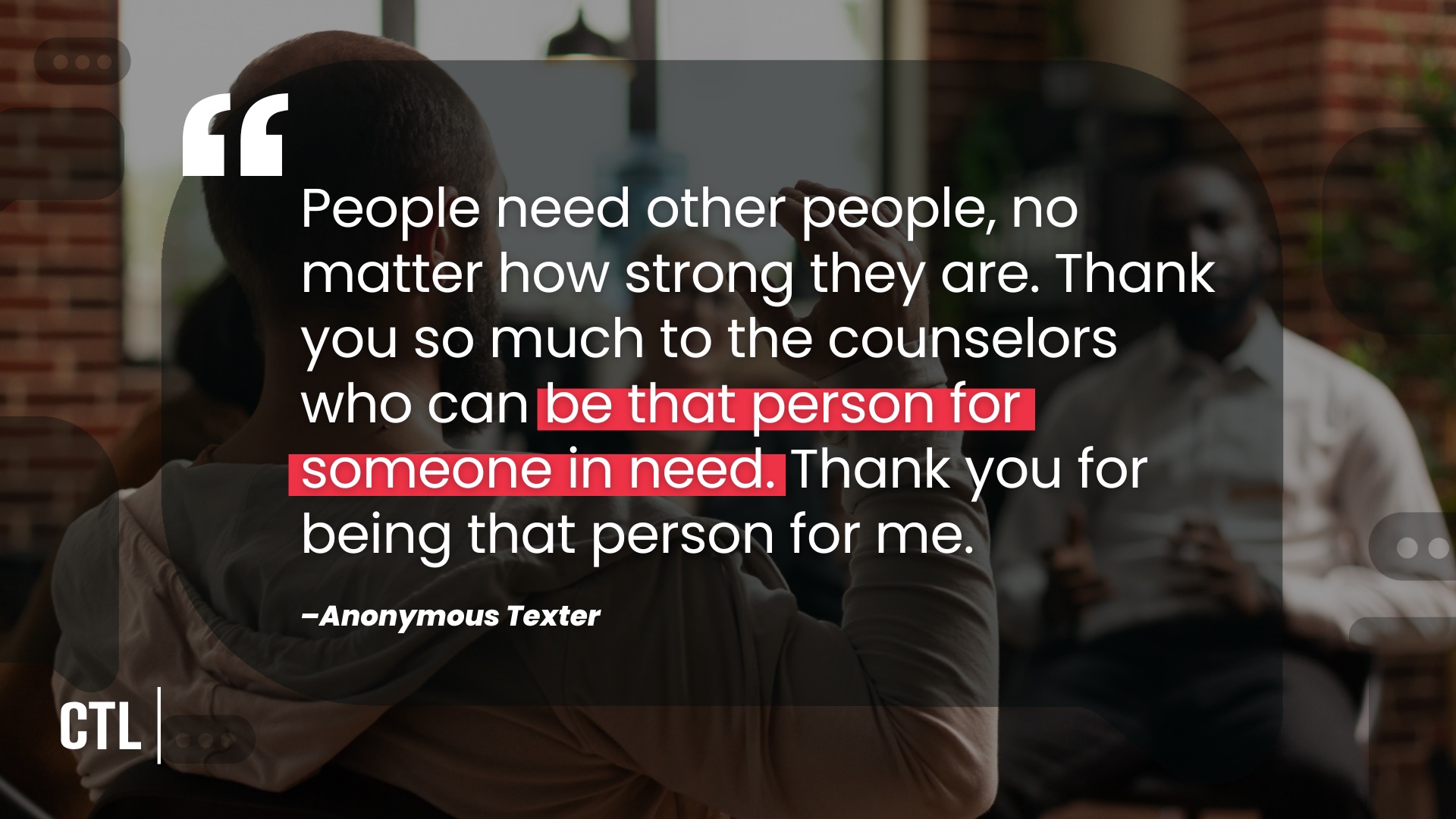
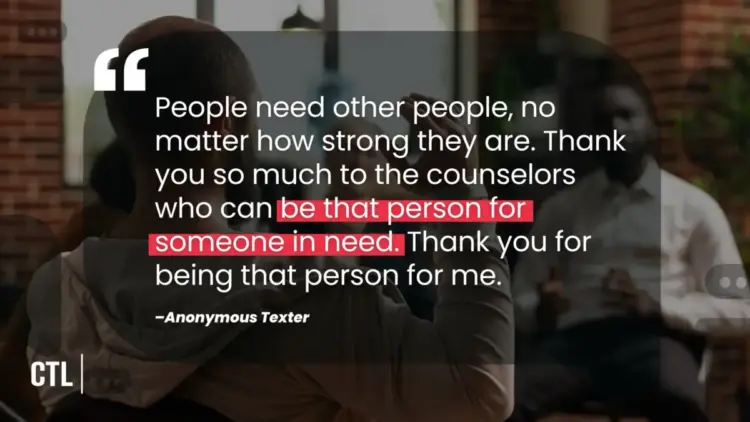
Whether an account highlights the immense courage required to utter the words "I need help," or reflects on how a single empathetic conversation made someone feel entirely less alone, these shared experiences underscore the irreplaceable value of human connection. Exploring these community stories offers reassurance, broader perspective, and much-needed encouragement. No matter where an individual currently finds themselves on their personal mental health journey, their experiences are valid, and they inherently deserve compassion and support.
Elevate Mental Health Awareness—This Month and All Year Round
The myriad reasons why individuals struggle with mental health—ranging from everyday micro-stressors to life-altering catastrophic events—demonstrate that emotional vulnerability is a defining characteristic of the human condition. While these struggles can often feel intensely isolating, they simultaneously form a common thread that connects all people.
Mental Health Awareness Month provides a designated yearly opportunity to aggressively challenge persistent social stigmas, initiate vulnerable conversations, and remind one another that it is entirely acceptable not to have every aspect of life figured out. It serves as an essential reminder to prioritize self-care while actively looking out for the well-being of neighbors, colleagues, friends, and family members.
Regardless of what an individual or someone in their social circle may be facing, nobody is required to carry the burden alone, and professional, compassionate support remains permanently within reach. Crisis Text Line stands ready to assist whenever support is required. Individuals can simply text CONNECT to 741741 to establish a direct connection with a live, trained volunteer crisis counselor at any hour of the day or night, completely free and confidentially.
For those who resonate deeply with the mission of expanding mental health awareness and safeguarding universal access to crisis support, contributing to organizations like Crisis Text Line helps ensure that anyone, anywhere, can reach out during their most desperate moments and be met with immediate empathy and understanding.



