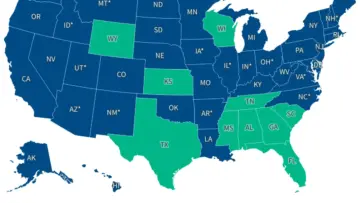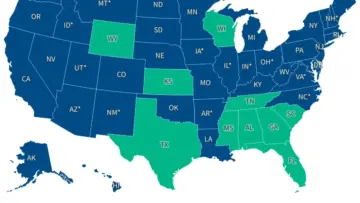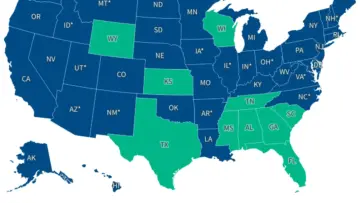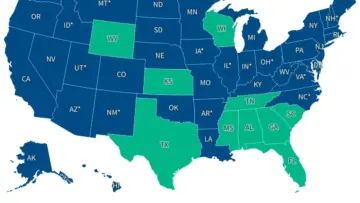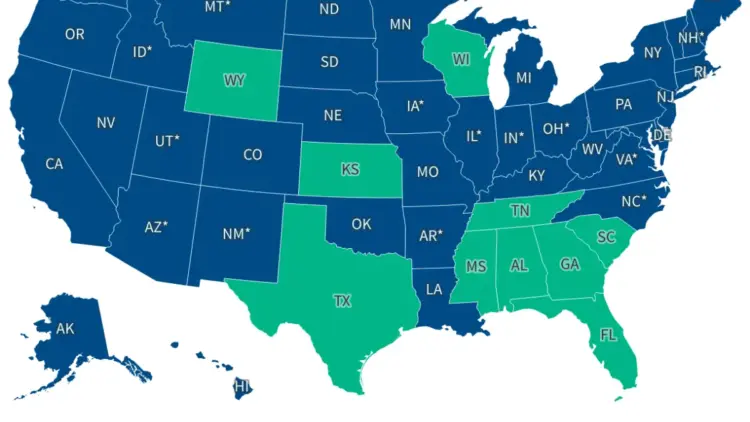
More than a decade after the landmark passage of the Affordable Care Act, the national landscape surrounding its Medicaid expansion continues to evolve, reflecting a complex interplay of state-level politics, fiscal policymaking, and ongoing healthcare debates. According to the latest tracking and analysis from KFF, a total of 41 states, including the District of Columbia, have now adopted the ACA Medicaid expansion. Meanwhile, 10 states have chosen not to adopt the program, leaving a distinct geographic and policy divide that continues to shape healthcare access for millions of Americans across the country.
The ACA’s Medicaid expansion was originally designed to fundamentally transform the nation’s healthcare safety net by extending health coverage to nearly all adults with household incomes up to 138 percent of the Federal Poverty Level. For an individual in 2025, that income threshold translates to $21,597 annually. To incentivize states to broaden their safety nets, the federal government provided an enhanced federal matching rate, known as the FMAP, covering a substantial majority of the costs for the newly eligible expansion populations.
While the majority of states have embraced the program over the years, the remaining holdout states continue to grapple with whether to adopt the expansion, driven by intense legislative debates, shifting political leadership, and evolving fiscal considerations. KFF’s tracking provides a comprehensive look at current state actions related to both adoption and implementation, offering insights into how non-expansion states are handling ongoing policy discussions.
In states that have not yet adopted the expansion, recent activity often manifests through various legislative, executive, and voter-led avenues. Researchers monitor these developments closely, capturing legislative actions such as the passage of expansion-related bills in at least one legislative chamber or committee. Executive actions, including governors’ budget proposals, formal executive orders, and other significant policy announcements, also play a major role in shaping the debate. Additionally, voter-led actions, such as progress toward citizen-led ballot initiatives, have historically served as a powerful mechanism to bypass legislative gridlock and secure expansion directly at the ballot box, as seen in several states over the past decade.
In some instances, non-expansion states explore limited coverage expansions that fall outside the parameters of full ACA Medicaid expansions. These alternative programs do not qualify for the enhanced federal matching funds that standard expansion brings, yet they represent targeted efforts by state policymakers to address specific healthcare coverage gaps within their borders.
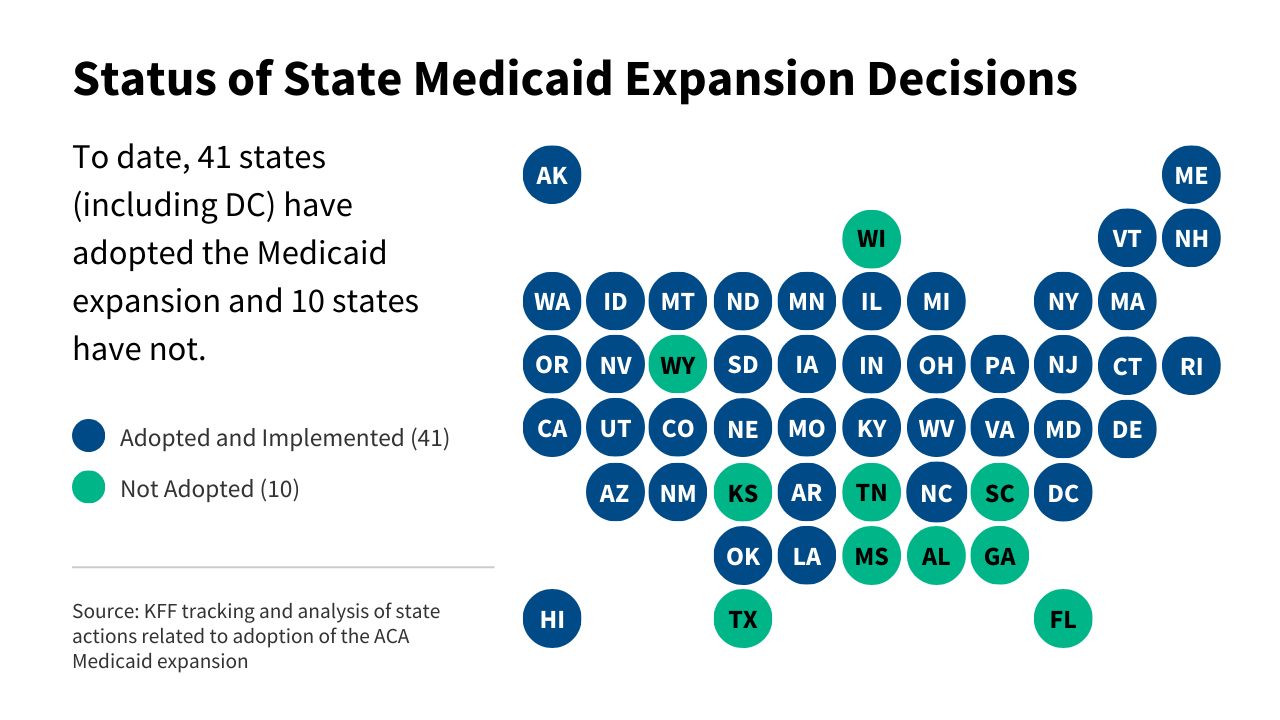
Conversely, for the 41 jurisdictions that have already adopted the expansion, the policy conversation has shifted toward management, sustainability, and regulatory adjustments. States with active expansion programs frequently introduce new measures to place limits or specific requirements on their expansion populations. A primary vehicle for these changes is the Section 1115 waiver process, which allows states to test new approaches within their Medicaid programs, often introducing work requirements, premium contributions, or other enrollment conditions subject to federal approval.
Adding another layer of complexity to the national dialogue are state-level "trigger" laws tied directly to the share of federal funding. These legislative mechanisms are designed to automatically scale back or terminate a state’s Medicaid expansion if the federal government reduces its matching rate below a specified threshold. Recent tracking highlights how these trigger laws have become a focal point of intense legislative scrutiny in several states.
For example, South Dakota and West Virginia have considered or are considering actions to put trigger laws in place, raising concerns among healthcare advocates about the long-term stability of coverage for hundreds of thousands of residents. In Virginia, a budget amendment was introduced that sought to remove the automatic termination of the expansion from the state’s trigger law. Instead of an automatic cutoff, the proposed amendment would have required a legislative committee to develop comprehensive recommendations on how the state might adjust to any potential loss of federal funding. However, that proposal ultimately was not included in the final state budget.
Similar legislative maneuvering has emerged elsewhere. Proposals aimed at removing or scaling back existing trigger laws have been introduced in states such as Illinois and North Carolina, reflecting a growing awareness among lawmakers of the profound financial and human consequences tied to federal funding fluctuations. Public health experts and policy organizations, including the Georgetown Center for Children and Families, have pointed out that sudden federal funding cuts could trigger an automatic loss of health coverage for millions of residents in states that rely heavily on these provisions.
To assist policymakers, researchers, and the public in navigating these shifting dynamics, KFF maintains detailed data repositories, including interactive maps and downloadable resources. The current status of each state can be explored through detailed tracking tables and choropleth maps, which offer a clear visual representation of how state actions have evolved since the ACA’s inception. These tools allow observers to monitor not only which states have implemented the expansion, but also where legislative battles, executive proposals, and waiver requests are actively reshaping the future of healthcare coverage. As state legislatures convene and governors weigh their budget priorities, the ongoing decisions surrounding Medicaid expansion will remain a central pillar of the American healthcare landscape.