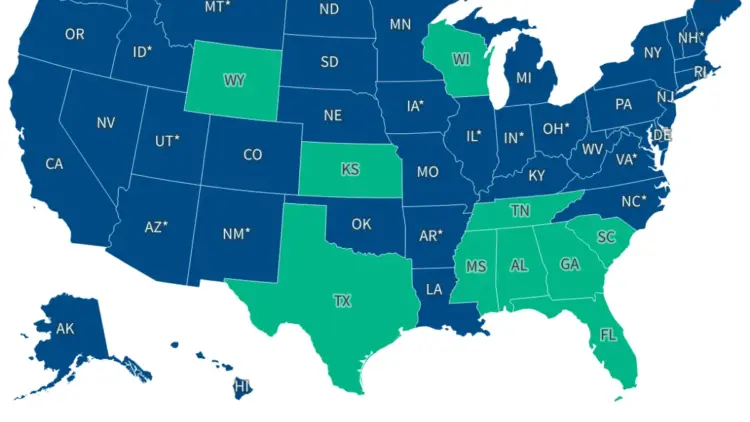
More than a decade after the landmark passage of the Affordable Care Act (ACA), the national landscape of healthcare coverage continues to be defined by a stark geographical divide. At the heart of this ongoing policy debate is the ACA’s Medicaid expansion provision, a mechanism designed to extend vital health insurance coverage to millions of low-income Americans while offering participating state governments a substantial financial incentive through an enhanced federal matching rate, commonly referred to as the FMAP. Yet, despite the availability of federal funding and years of shifting political dynamics, the decision to adopt or reject the expansion remains one of the most consequential health policy choices facing state leaders today.
Under the framework established by the Affordable Care Act, the Medicaid expansion successfully broadens healthcare eligibility to nearly all adults earning up to 138 percent of the Federal Poverty Level. For an individual living in the United States in 2025, this income threshold translates to $21,597 annually. By lowering the barriers to entry into public health insurance programs, the policy aimed to drastically reduce the number of uninsured individuals nationwide, particularly among low-wage workers, young adults, and people working in industries that traditionally do not offer employer-sponsored health benefits. Furthermore, the federal government initially covered the vast majority—and eventually 90 percent—of the costs associated with covering this newly eligible expansion population, making the financial proposition a unique centerpiece of federal-state fiscal cooperation.
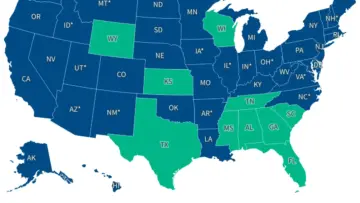
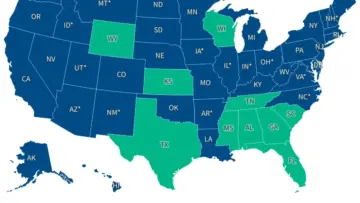
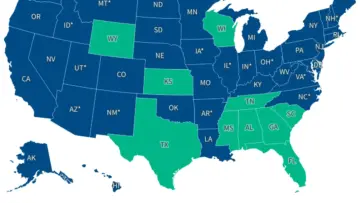
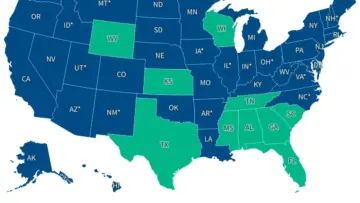
Despite these provisions, the path toward universal adoption has been uneven. According to comprehensive tracking and ongoing analysis conducted by KFF, a prominent healthcare policy research organization, 41 states—including the District of Columbia—have formally adopted the Medicaid expansion. These states have integrated the program into their broader public health infrastructure, extending coverage to significant portions of their vulnerable populations. Conversely, 10 states have chosen not to adopt the expansion, leaving a distinct coverage gap for thousands of low-income residents who earn too much to qualify for traditional Medicaid pathways yet too little to afford private insurance plans available through the ACA marketplaces without substantial financial assistance.
The current policy status for each individual state is meticulously documented through KFF tracking systems, which monitor ongoing legislative sessions, executive decisions, and voter-led initiatives across the country. These critical data sets are made publicly accessible to researchers, policymakers, and the public through detailed tables and visual resources, including downloadable mapping tools that illustrate the geographic dispersion of expansion and non-expansion states. This continuous monitoring highlights how the debate over healthcare coverage is far from static, with states frequently revisiting the issue through legislative proposals, executive budget requests, and grassroots political campaigns.
A closer examination of the national map reveals a complex ecosystem of state-level actions, ongoing policy debates, and administrative adjustments. In states that have successfully implemented the ACA Medicaid expansion, the policy focus has increasingly shifted toward managing the program, refining eligibility requirements, and introducing new stipulations for beneficiaries. Many expansion states have pursued or implemented specialized policy changes through Section 1115 demonstration waivers, which allow state governments to test innovative approaches to Medicaid administration. These waivers often introduce new requirements, coverage limits, or administrative hurdles for the expansion population, sparking vigorous debates among healthcare advocates, state legislators, and federal regulators regarding access to care and administrative burden.
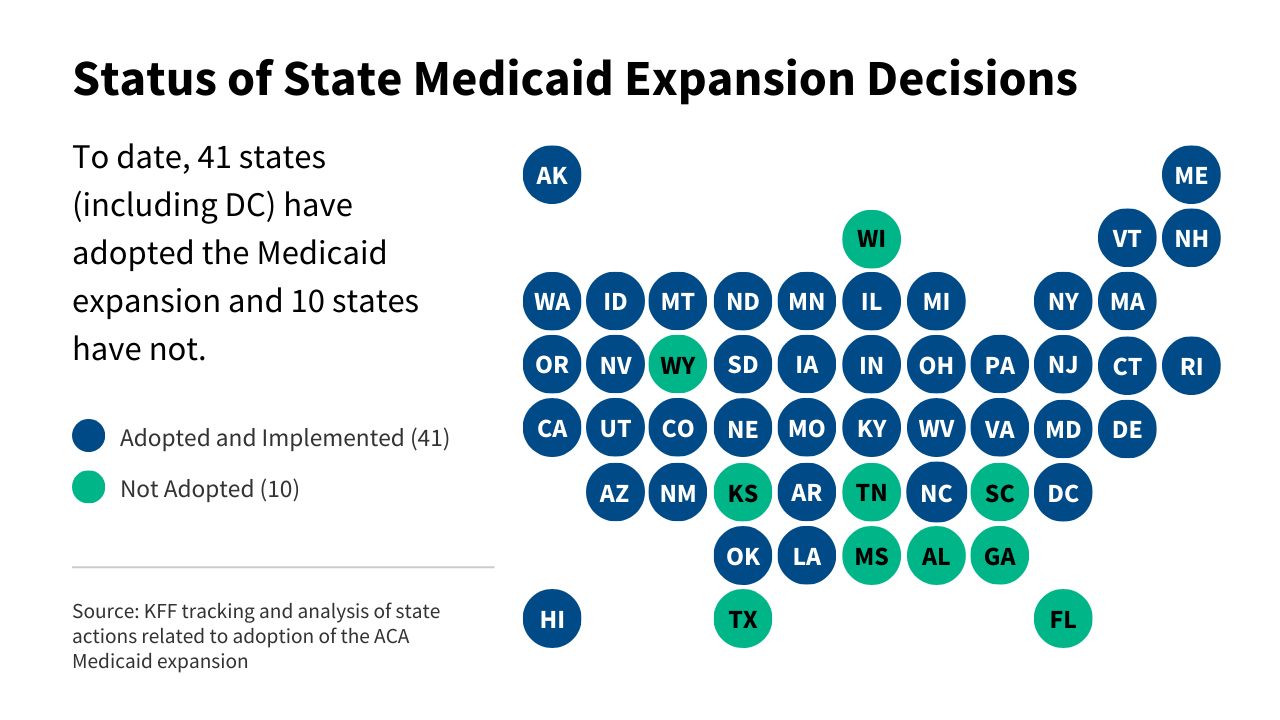
Meanwhile, in the 10 states that have not yet adopted the ACA Medicaid expansion, the political and legislative conversations continue to evolve. In these non-expansion jurisdictions, observers closely monitor recent activity related to the ongoing debate over whether to adopt the federal program. The types of actions captured by modern health policy trackers vary widely depending on the unique political climate of each state. These include formal legislative actions, such as the introduction and passage of expansion-related bills in at least one legislative chamber or committee, as well as high-profile executive actions, ranging from gubernatorial budget proposals to executive orders and major administrative announcements. Additionally, voter-led actions, such as progress toward citizen-driven ballot initiatives, have historically served as a powerful alternative route to adoption in states where legislative leadership has resisted traditional policymaking channels.
Adding another layer of complexity to the national dialogue are various limited coverage expansions pursued by some non-expansion states. While these localized efforts attempt to address specific healthcare access gaps within certain segments of the population, they generally do not qualify as full ACA Medicaid expansions under federal guidelines. Consequently, these limited programs do not qualify for the enhanced federal matching funds that make the full ACA expansion financially attractive to state treasuries, leaving state budgets to shoulder a much heavier share of the financial responsibility.
Adding a new dimension to the fiscal stability of the program in several states are recent legislative developments surrounding so-called trigger laws. These unique statutory provisions are tied directly to the share of federal funding a state receives, establishing mechanisms that could automatically scale back or terminate the Medicaid expansion if federal matching rates decrease or if federal funding cuts occur. South Dakota and West Virginia, for example, are or were actively considering actions to put such trigger laws into place, reflecting underlying anxieties about the long-term reliability of federal fiscal commitments.
In Virginia, policymakers debated a budget amendment that would have removed the automatic termination of the expansion from the state’s existing trigger law. Instead of a sudden, automatic cutoff of coverage, the proposed amendment would have required a legislative committee to carefully develop recommendations on ways to adjust to any potential loss of federal funding. Although this specific amendment was ultimately not included in the final enacted budget, it underscored the growing legislative interest in protecting beneficiaries from abrupt policy shocks. Similar proposals aimed at removing or scaling back restrictive trigger laws have also been introduced in states such as Illinois and North Carolina, demonstrating that lawmakers across the political spectrum are grappling with the delicate balance between state budget protection and health coverage stability for millions of residents.
As healthcare costs continue to rise and the demographic makeup of the nation shifts, the future of the remaining non-expansion states and the regulatory environment within expansion states remain subjects of intense national interest. The comprehensive data provided by ongoing tracking efforts serve as an essential resource for understanding how states navigate these fiscal and political realities, ensuring that policymakers, analysts, and the public stay informed about the ever-changing status of healthcare access across the United States.