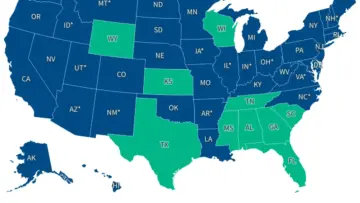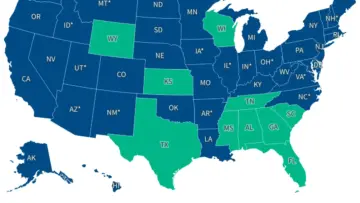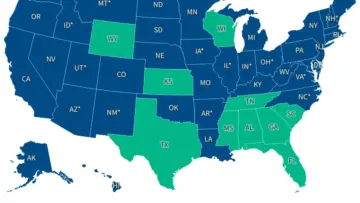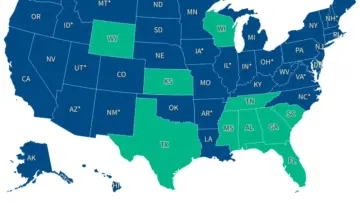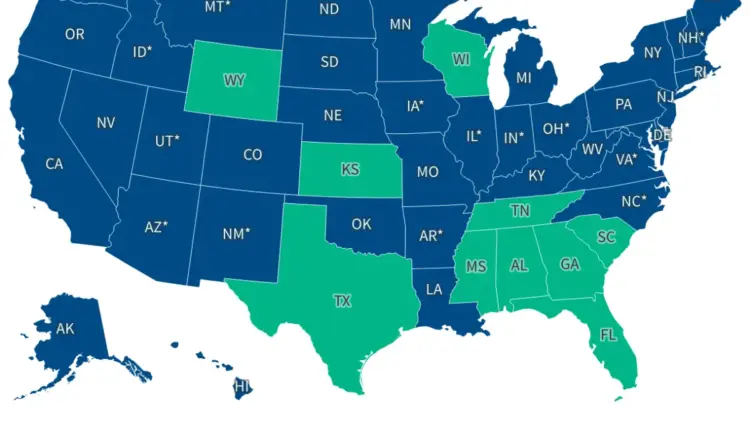
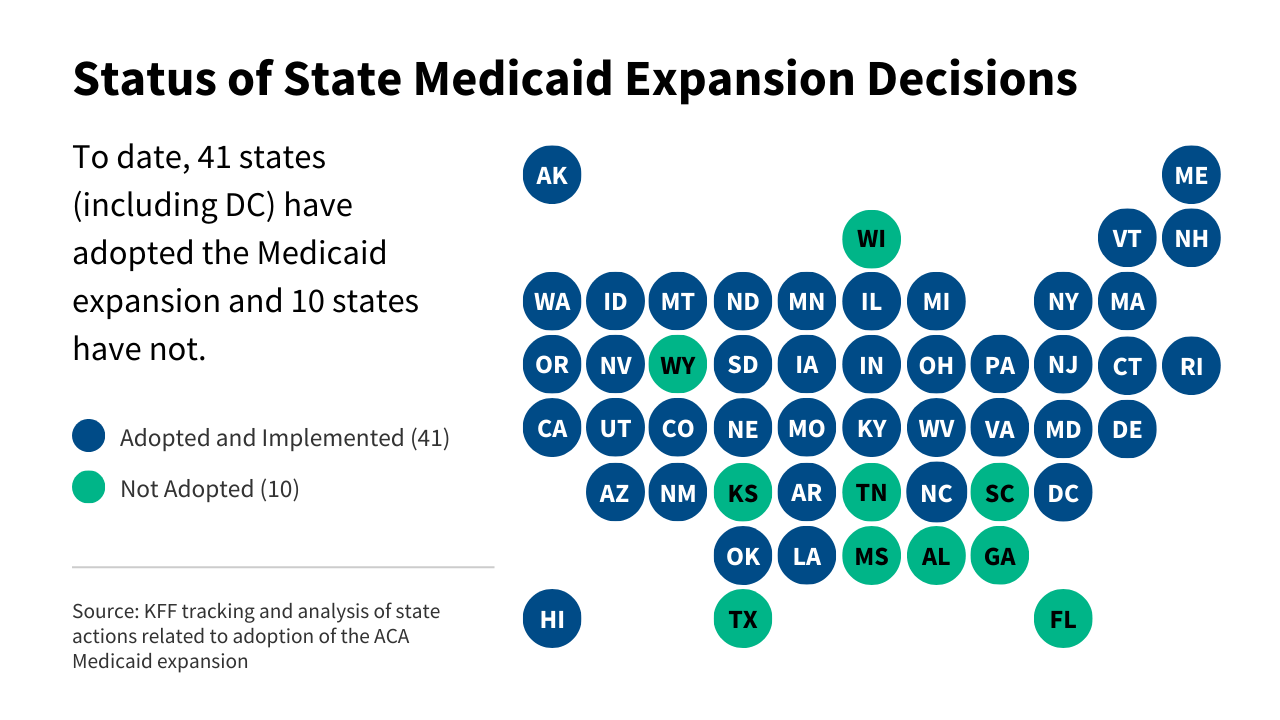
More than a decade after the landmark passage of the Affordable Care Act, the national landscape of healthcare coverage continues to be defined by a stark state-by-state divide over Medicaid expansion. According to the latest tracking data from KFF, a total of 41 states, including the District of Columbia, have officially adopted the ACA Medicaid expansion, while 10 states have chosen not to move forward with the policy. This ongoing policy divergence leaves hundreds of thousands of low-income Americans in non-expansion states without access to federally subsidized health coverage, even as participating states continue to leverage enhanced federal matching funds to protect their vulnerable populations.
The Affordable Care Act’s Medicaid expansion fundamentally transformed the nation’s social safety net by extending health insurance eligibility to nearly all adults with household incomes up to 138 percent of the Federal Poverty Level. For an individual living in the United States in 2025, that income threshold translates to $21,597 annually. Beyond broadening healthcare access to millions of previously uninsured adults, the ACA provided participating states with an enhanced federal medical assistance percentage, commonly known as the FMAP, covering a vast majority of the costs for the newly eligible expansion populations. This financial incentive was designed by federal lawmakers to encourage widespread adoption across the country.
Despite the substantial federal financial backing, the decision to expand Medicaid has remained a lightning rod for political debate since the U.S. Supreme Court ruled the expansion optional for states in 2012. Over the intervening years, tracking data compiled through KFF’s comprehensive state-level analysis reveals a gradual yet steady shift as additional conservative and politically divided states eventually adopted the program through legislative votes, executive actions, or voter-led ballot initiatives. Nevertheless, 10 holdout states maintain their opposition, citing long-term fiscal concerns, philosophical objections to expanding government-subsidized programs, and debates over work requirements and personal responsibility.
The current status for each of the 50 states and the District of Columbia is continuously monitored and updated by KFF through rigorous tracking of state legislative activity, executive proposals, and ballot measures. These extensive tracking data are made publicly available through detailed state indicators and interactive mapping tools, allowing researchers, policymakers, and the public to examine the granular details of state-level healthcare policy. Visual representations of the national map, illustrating the geographic concentration of expansion versus non-expansion states, remain essential resources for understanding how health policy access varies dramatically depending on geographic location.
In states that have not yet adopted the ACA Medicaid expansion, the policy debate remains active, driven by shifting political dynamics, advocacy campaigns, and growing pressure from local healthcare providers and business communities. For these non-expansion states, policy trackers closely monitor a wide variety of recent actions related to the ongoing debate. These actions frequently include legislative maneuvers such as the passage or introduction of expansion bills in at least one legislative chamber or committee, executive branch actions including gubernatorial budget proposals, executive orders, or significant administrative announcements, and grassroots voter-led efforts aimed at advancing constitutional amendments or ballot initiatives through the petition process.
Furthermore, policy analysts note that some non-expansion states have explored or implemented limited coverage expansions that fall short of full ACA Medicaid expansion. These alternative programs typically target specific sub-populations—such as low-income parents or individuals with certain chronic health conditions—with narrower eligibility thresholds. Crucially, these limited coverage models do not qualify for the enhanced federal matching funds provided under the ACA, meaning states often bear a significantly larger share of the financial burden to administer them.
Conversely, in states that have successfully implemented the ACA Medicaid expansion, recent policy actions often focus on the management, modification, or imposition of new requirements on the expansion population. A primary vehicle for these changes has been the pursuit of Section 1115 demonstration waivers. Through these federal waivers, several expansion states have sought approval from the federal government to implement work and community engagement requirements, premium payments, or lock-out periods for non-compliance, introducing new layers of administrative oversight and enrollment conditions for beneficiaries.
Adding a new dimension to the national conversation surrounding Medicaid policy are state-level debates over legislative "trigger" laws tied directly to the share of federal funding. Certain states have enacted or considered trigger laws designed to automatically roll back or terminate their Medicaid expansion programs if the federal government ever reduces its enhanced matching rate or alters the funding formula in the future. South Dakota and West Virginia, for instance, are or were actively considering action to put such trigger mechanisms in place, reflecting deep-seated anxiety among state lawmakers regarding federal budgetary stability.
In Virginia, legislative battles have centered on attempts to dismantle existing safeguard mechanisms. A notable budget amendment was introduced to remove the automatic termination of the expansion from the state’s existing trigger law. Instead of an abrupt, automatic cancellation of health coverage in the event of federal funding cuts, the proposed amendment would have required a designated legislative committee to develop thoughtful recommendations on ways the state could adjust to any potential loss of federal financial support. However, despite intense debate among lawmakers, the amendment was ultimately omitted from the final adopted state budget.
Similar legislative friction is evident in other parts of the country where lawmakers are attempting to reverse course on previously established restrictions. Proposals aimed at either entirely removing or significantly scaling back trigger laws have been formally introduced in states like Illinois and North Carolina. These legislative pushes highlight the ongoing tension between state fiscal planners who worry about absorbing the full cost of healthcare programs if federal subsidies wane, and healthcare advocates who warn that sudden automatic terminations could abruptly strip health insurance away from millions of vulnerable residents.
Public health researchers and policy organizations, including the Georgetown Center for Children and Families, have repeatedly underscored the high stakes involved in these legislative machinations. Analyses focusing on federal funding cuts and state trigger laws emphasize that sudden policy changes or automatic phase-outs could result in the immediate and sweeping loss of health coverage for residents who rely on Medicaid for their primary care, prescription drugs, and management of chronic medical conditions. As federal and state budget priorities continue to shift, the future of health coverage for millions of low-income adults remains inextricably linked to the ongoing legislative battles played out across state capitals nationwide.