More than a decade after the landmark passage of the Affordable Care Act (ACA), the national landscape surrounding Medicaid expansion continues to be a defining issue in American health care policy, state budgeting, and partisan debate. The ACA’s Medicaid expansion framework fundamentally reshaped the nation’s social safety net by extending health insurance coverage to nearly all adults with household incomes up to 138 percent of the Federal Poverty Level. For an individual living in the United States in 2025, that income threshold translates to $21,597 annually. To encourage participation and alleviate the financial burden on state governments, the federal government provided participating states with an enhanced federal matching rate, commonly referred to as the FMAP, covering a substantial majority of the costs associated with the newly eligible expansion populations.
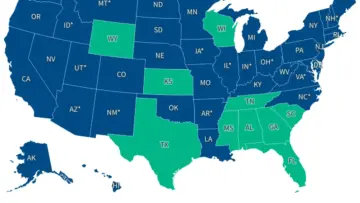
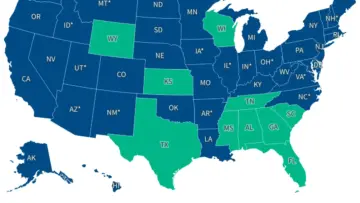
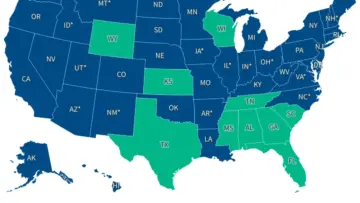
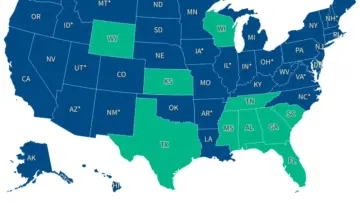
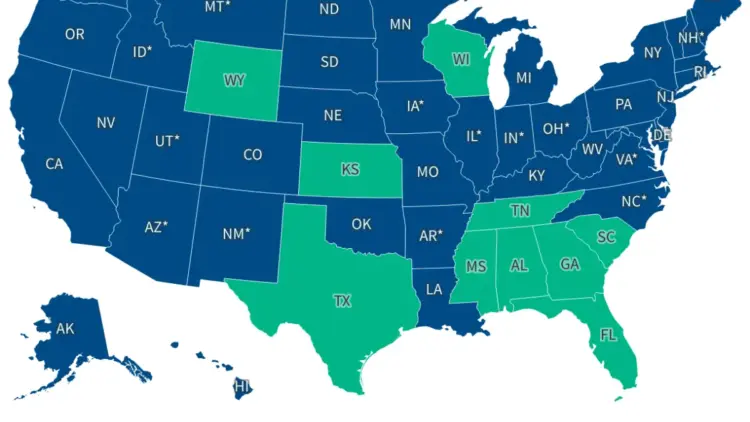
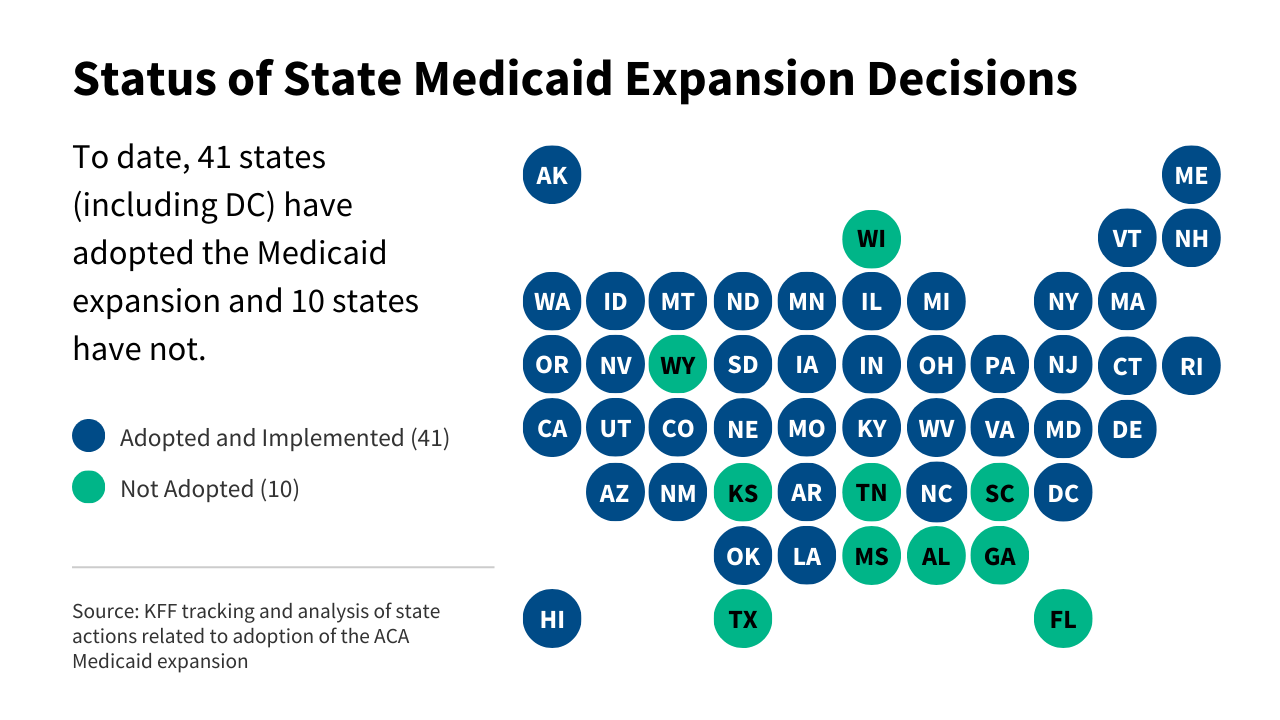
Despite these federal fiscal incentives, the decision to adopt the expansion has remained deeply divided along geographic and political lines. According to the latest tracking and analysis conducted by KFF, a prominent healthcare policy research organization, 41 states—including the District of Columbia—have successfully adopted the Medicaid expansion. Conversely, 10 states have chosen not to adopt the expansion, leaving a significant coverage gap for low-income residents living within those jurisdictions. The current policy status for each individual state is continuously monitored, tracked, and updated by KFF based on comprehensive analyses of state-level legislative sessions, executive actions, and voter-led initiatives.
The ongoing divergence in state policy decisions means that millions of low-income Americans experience vastly different healthcare realities depending entirely on their geographic location. While the data and geographic distribution of these policy choices are publicly accessible through detailed state-level tables and interactive choropleth maps, the underlying policy battles surrounding the expansion remain highly dynamic. Stakeholders, policymakers, and healthcare advocates frequently utilize these visual mapping tools, which are also made available in presentation formats such as PowerPoint for educational and analytical purposes, to illustrate the shifting boundaries of healthcare access across the country.
Beyond the stark binary divide of expansion versus non-expansion states, recent legislative and executive actions reveal a complex web of policy adjustments, ongoing debates, and emerging vulnerabilities even within states that have already embraced the ACA framework. A granular examination of state actions highlights how the debate has evolved far beyond the initial decision to adopt or reject the program. In states that have chosen not to adopt the expansion, political leaders and advocacy groups continue to grapple with the issue through various legislative channels. These non-expansion state activities frequently encompass legislative battles where expansion bills manage to pass through at least one legislative chamber or committee, executive maneuvers such as governors proposing expansion within their annual budget addresses, and direct voter-led actions aimed at advancing ballot initiatives to bypass resistant legislatures.
In some instances, these ongoing policy discussions involve proposals for limited coverage expansions. However, researchers emphasize that these localized or restricted initiatives do not qualify as full ACA Medicaid expansions and, crucially, do not qualify for the lucrative enhanced federal matching funds provided under the original federal statute. These smaller-scale interventions often fail to bridge the comprehensive coverage gap that the full ACA expansion was designed to eliminate, leaving many vulnerable populations without access to essential preventative and acute medical care.
At the same time, the landscape within states that have long since adopted the ACA expansion is experiencing its own unique policy pressures. In recent years, several expansion states have pursued significant policy shifts by implementing new limits, restrictions, and procedural requirements for their expansion populations. These restrictive measures are most frequently operationalized through Section 1115 Medicaid demonstration waivers, which allow states to test new approaches in Medicaid administration. Common proposals within these waivers involve introducing work requirements, regular eligibility verifications, or nominal premium payments for low-income beneficiaries. While proponents argue these measures promote personal responsibility and manage state budget growth, healthcare advocates contend that administrative hurdles often lead to coverage losses for eligible individuals who struggle to navigate complex bureaucratic requirements.
Compounding these regulatory shifts is a growing policy debate surrounding state-level "trigger" laws tied directly to the share of federal funding. These statutory mechanisms are designed to automatically roll back or terminate a state’s Medicaid expansion if the federal government reduces its enhanced matching rate or if federal funding cuts cross specific statutory thresholds. The implications of these trigger laws have sparked intense concern among healthcare economists and policy analysts, who warn that sudden reductions in federal contributions could automatically strip health coverage away from millions of residents almost overnight, dealing a severe blow to state hospital systems and local economies.
Recent developments in several states underscore the contentious nature of these funding-dependent trigger mechanisms. In South Dakota and West Virginia, state officials have actively considered or enacted measures to put trigger laws firmly in place, formalizing a contingency plan to abandon the expansion if federal fiscal parameters shift unfavorably. Meanwhile, other states have seen vigorous legislative battles aimed at dismantling or modifying these automatic termination clauses. In Virginia, for instance, lawmakers introduced a notable budget amendment specifically designed to remove the automatic termination of the expansion from the state’s existing trigger law. Rather than allowing an automatic cutoff of coverage in the event of federal changes, the proposed amendment would have instead required a dedicated legislative committee to study the issue and develop careful recommendations on how the state might adjust to any potential loss of federal funding. However, despite intense debate among lawmakers, this protective amendment ultimately failed to secure inclusion in the final state budget.
Similar legislative pushes to dismantle, scale back, or reform restrictive trigger laws have emerged in other key states, including Illinois and North Carolina. In these jurisdictions, policymakers on both sides of the aisle are increasingly forced to confront the delicate financial interdependence between state health programs and federal budgetary allocations. As federal health policy discussions evolve under changing political administrations, the threat of federal funding reductions remains a persistent Sword of Damocles hanging over expansion and non-expansion states alike.
The comprehensive tracking of these state-level maneuvers—ranging from initial adoption hurdles and Section 1115 waiver restrictions to the precarious mechanics of trigger laws—provides an essential window into the fragile and ever-changing state of American health policy. As KFF and organizations like the Georgetown Center for Children and Families continue to monitor these developments, the future of health coverage for millions of low-income Americans remains inextricably tied to the legislative battles, budgetary negotiations, and executive decisions playing out across state capitols nationwide.