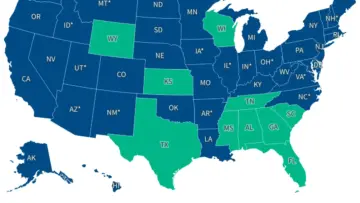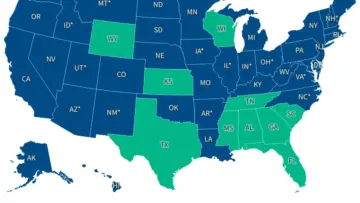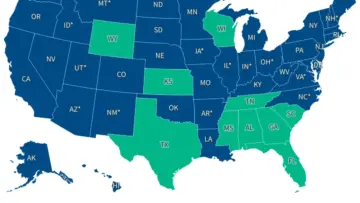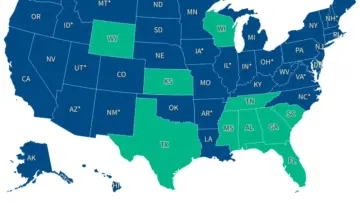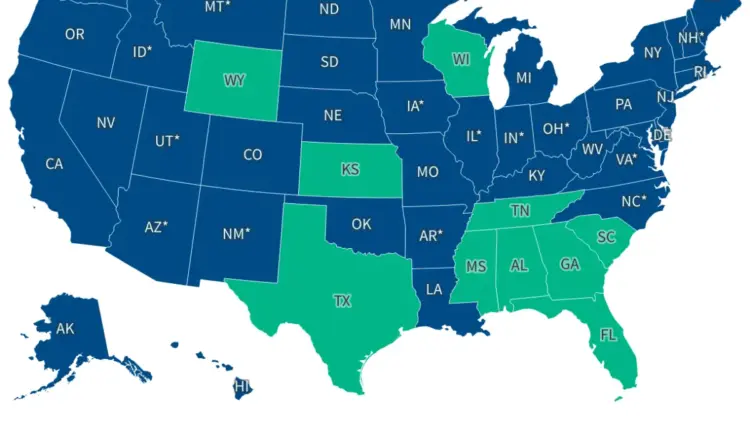
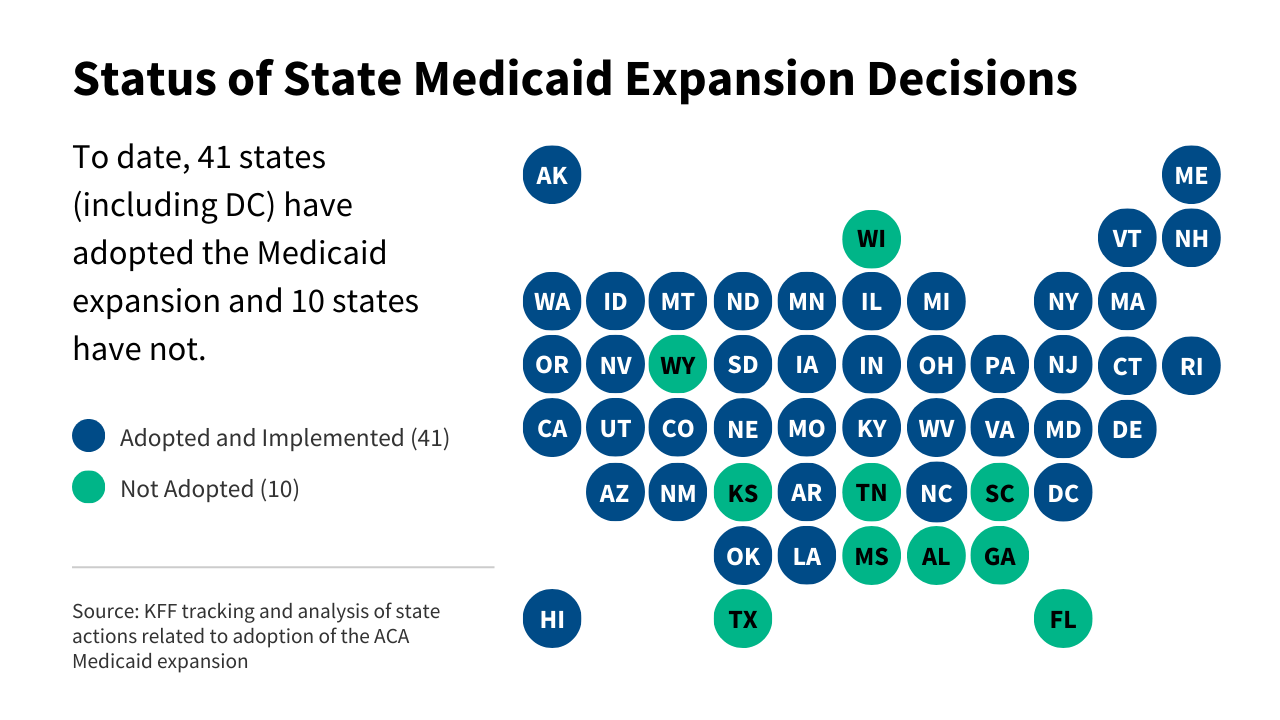
More than a decade after the landmark passage of the Affordable Care Act (ACA), the national landscape surrounding its Medicaid expansion continues to evolve, reflecting a complex tapestry of state-level policy decisions, ongoing legislative battles, and shifting fiscal considerations. To date, 41 states, including the District of Columbia, have officially adopted the Medicaid expansion, extending critical health care coverage to millions of low-income Americans. Meanwhile, 10 states have chosen not to adopt the program, leaving a distinct geographic and political divide in access to public health insurance across the country.
The ACA’s Medicaid expansion fundamentally transformed the nation’s public health safety net by broadening eligibility criteria to encompass nearly all non-elderly adults with household incomes up to 138 percent of the Federal Poverty Level. For an individual living alone, this threshold translates to an annual income of $21,597 based on federal guidelines. Beyond expanding health coverage to historically uninsured populations—such as low-wage workers, young adults, and childless adults who previously fell into coverage gaps—the federal government incentivized participation by offering states an enhanced federal matching rate, known as the FMAP, covering a substantial majority of the costs associated with the expansion population.
The current status of each state, reflecting whether they have embraced or rejected the expansion framework, is meticulously tracked and analyzed through ongoing research by KFF, a prominent health policy organization. These comprehensive tracking data are publicly accessible in detailed table formats, alongside downloadable visual resources such as choropleth maps provided in presentation formats for policymakers, researchers, and public health advocates. This continuous monitoring highlights not only which states have crossed the finish line of adoption but also the dynamic legislative, executive, and grassroots activities unfolding in states that remain outside the expansion fold.
In states that have not yet adopted the ACA Medicaid expansion, the issue remains a prominent and frequently contentious fixture of local politics. Recent activity in these holdout states encompasses a wide array of governance mechanisms. Observers are tracking legislative actions, such as bills successfully passing through at least one legislative chamber or gaining traction within key committees. Additionally, executive actions—including gubernatorial budget proposals, executive orders, and major policy announcements by state leaders—continue to shape the debate. In several instances, voter-led initiatives and progress toward putting expansion questions directly on the ballot have driven the conversation forward, bypassing reluctant state legislatures to let the electorate decide the fate of health care access.
Furthermore, the public discourse in non-expansion states occasionally touches upon limited coverage expansions. Policy analysts note that some jurisdictions contemplate or implement narrow programs aimed at specific vulnerable cohorts. However, health policy experts emphasize that these restricted initiatives do not qualify as full ACA Medicaid expansions and, crucially, do not qualify for the lucrative enhanced federal matching funds provided under the original federal legislation. Consequently, policymakers in these holdout states continue to weigh the financial tradeoffs of leaving billions in federal health care dollars on the table against their broader fiscal and ideological philosophies regarding the role of government-subsidized insurance.
Even among states that long ago embraced the ACA expansion, the policy environment is far from static. In recent years, several expansion states have pursued significant adjustments to their programs, frequently seeking to implement new limitations, work requirements, or procedural hurdles for the expansion population. These modifications are predominantly pursued through Section 1115 demonstration waivers, which allow states to test new approaches within their Medicaid programs subject to federal approval. Such efforts have sparked intense legal, political, and ethical debates over the balance between promoting personal responsibility and preserving access to essential medical services for vulnerable populations.
Compounding these ongoing debates are emerging fiscal concerns related to federal funding structures and state statutory mechanisms. A notable area of recent policy focus involves state-level trigger laws tied directly to the share of federal funding supporting the Medicaid expansion. These legislative provisions are designed to automatically scale back or terminate a state’s expansion program if the federal government reduces its matching rate below a specified threshold, thereby shifting a heavier financial burden onto state treasuries or abruptly stripping coverage from residents.
Recent legislative developments across several states underscore the sensitivity surrounding these funding-dependent trigger mechanisms. For example, South Dakota and West Virginia have considered or enacted measures to put formal trigger laws in place, reflecting deep-seated anxieties about long-term federal fiscal commitments. Conversely, battles have emerged to dismantle or soften these automatic cutoffs. In Virginia, a budget amendment was introduced to remove the automatic termination of the expansion from the state’s trigger law. Instead of an abrupt cancellation of coverage upon any federal reduction, the proposed amendment would have required a designated legislative committee to develop thoughtful recommendations on how the state might adjust to potential losses in federal funding. Although this specific amendment was ultimately excluded from the final state budget, it signaled a growing awareness of the severe risks posed by automatic coverage cliffs. Similar proposals aimed at removing or scaling back trigger laws have surfaced in states such as Illinois and North Carolina, reflecting a broader legislative push to safeguard beneficiaries from sudden policy disruptions.
The implications of these trigger laws and potential federal funding shifts extend far beyond abstract budget balancing. Public health advocates and legal scholars have increasingly raised alarms that sudden funding cuts or rigid statutory triggers could trigger the automatic loss of health insurance coverage for millions of residents who rely on the expansion for routine care, chronic disease management, and emergency medical services. As tracked by legal and policy centers such as the Georgetown Center for Children and Families, the intersection of federal budget dynamics and state-level implementation rules creates a fragile ecosystem where administrative or fiscal adjustments at the national level can have immediate, cascading effects on local populations.
As health care policy continues to intersect with volatile state legislatures, gubernatorial agendas, and shifting federal priorities, the status of the ACA Medicaid expansion remains a central pillar of the American health care debate. With 41 states and the District of Columbia firmly on the side of adoption and 10 states continuing to resist, the divide in health coverage access persists. Researchers, policymakers, and health care advocates will undoubtedly continue relying on detailed tracking mechanisms, comprehensive data tables, and state-level analyses to navigate the next chapter of Medicaid expansion decisions across the country.