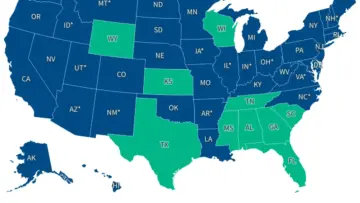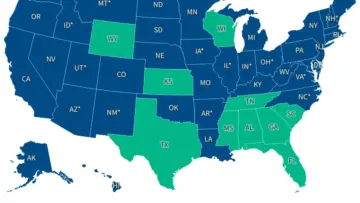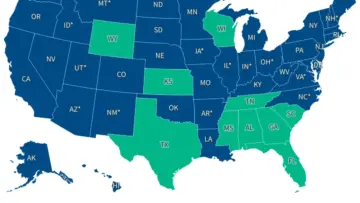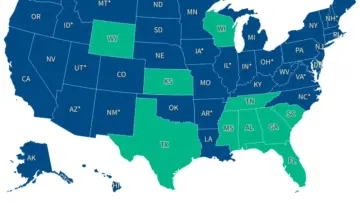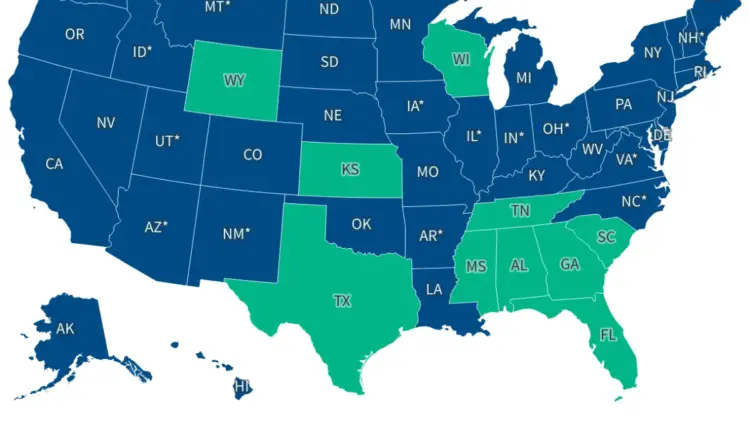
More than a decade after the landmark passage of the Affordable Care Act (ACA), the national landscape surrounding its Medicaid expansion continues to evolve, reflecting a complex patchwork of state-level policy decisions, ongoing legislative battles, and shifting fiscal debates. According to the latest tracking and analysis by KFF, a total of 41 states, including the District of Columbia, have officially adopted the ACA Medicaid expansion. Meanwhile, 10 states have chosen not to adopt the program, leaving a distinct geographic divide in healthcare coverage accessibility across the United States.
The ACA’s Medicaid expansion fundamentally transformed the nation’s healthcare safety net by extending health insurance eligibility to nearly all adults with household incomes up to 138 percent of the Federal Poverty Level. For an individual in 2025, this income threshold equates to $21,597 annually. To incentivize states to broaden their coverage, the federal government provided an enhanced federal matching rate, known as the FMAP, covering a significantly larger share of the costs for the newly eligible expansion populations compared to traditional Medicaid programs.
Despite the substantial federal financial support, the decision to expand Medicaid has remained a focal point of partisan and fiscal debates at the state level since the option became available. Proponents of expansion point to significant reductions in uninsured rates, improved financial security for low-income residents, and economic benefits for rural hospitals and healthcare systems. Conversely, opponents in non-expansion states have frequently raised concerns about long-term state budgetary commitments, potential federal funding shifts, and philosophical objections to expanding entitlement programs.
Current tracking data highlights that the debate is far from static, even within states that have already established their positions. In non-expansion states, policymakers and advocates continue to engage in active debates regarding adoption. These discussions encompass a variety of policy avenues, including legislative actions where bills are introduced and debated in at least one legislative chamber or committee, executive actions such as governor-led budget proposals or executive orders, and voter-led initiatives aimed at placing expansion measures directly on state ballots. In some instances, states have explored or implemented limited coverage expansions that fall short of full ACA Medicaid expansions and therefore do not qualify for the enhanced federal matching funds.
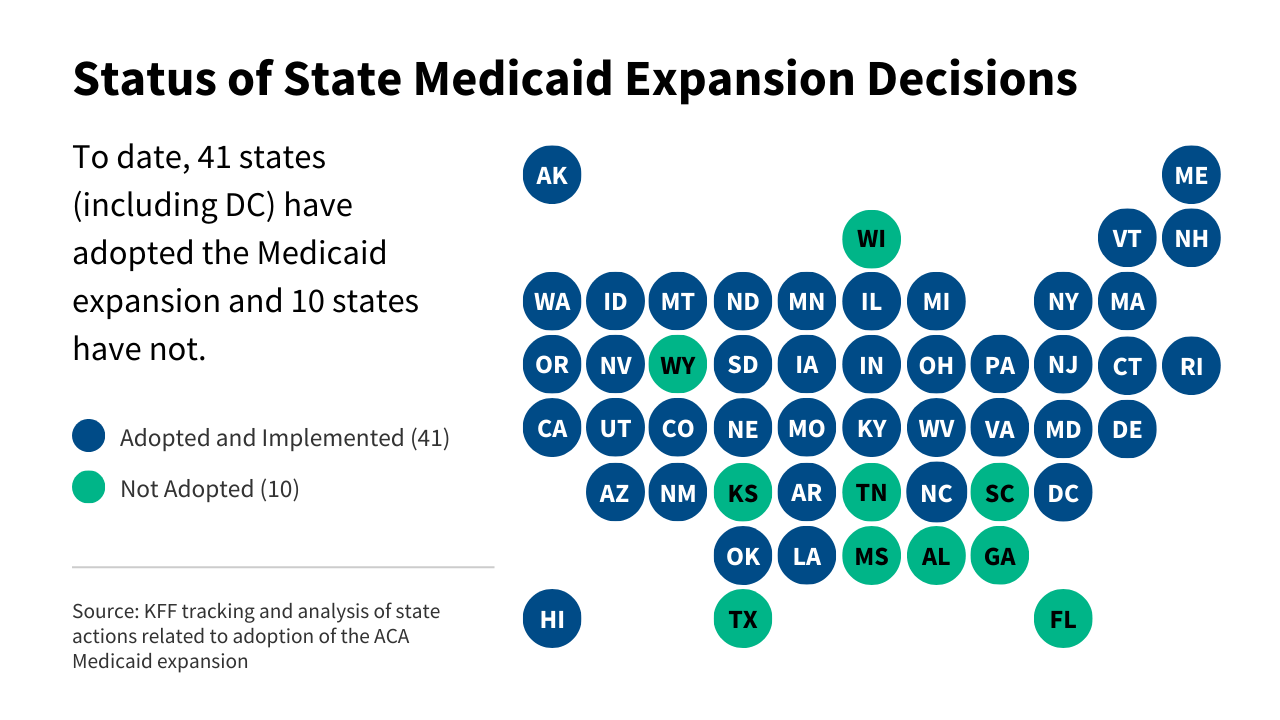
Conversely, states that have successfully adopted the ACA expansion are experiencing ongoing policy adjustments aimed at modifying or regulating their programs. A notable trend in several expansion states involves the introduction of new limits, conditions, or administrative requirements for the expansion population, which are frequently pursued through Section 1115 demonstration waivers. These waivers allow states to test new approaches in Medicaid, often incorporating work requirements, premiums, or enhanced reporting mandates, subject to federal approval.
Adding another layer of complexity to the national dialogue are recent state-level discussions surrounding funding "trigger" laws. Certain states have enacted or proposed legislation tying the continuation of their Medicaid expansion programs directly to the level or share of federal funding they receive. Under these trigger mechanisms, if federal matching rates were to decrease significantly or if federal funding formulas were altered, the state expansion program could automatically terminate, potentially resulting in the sudden loss of health coverage for millions of residents.
Recent legislative and executive tracking reveals that trigger laws are a subject of active legislative friction. South Dakota and West Virginia have considered or implemented actions to establish trigger laws. In Virginia, a notable budget amendment was introduced with the objective of removing the automatic termination of the expansion from the state’s trigger law. Instead of an automatic shutdown, the proposed amendment would have required a legislative committee to develop comprehensive recommendations on how the state could adjust to any potential loss of federal funding. Although introduced, that specific amendment was ultimately excluded from the final budget. Similar proposals aimed at removing or scaling back existing trigger laws have also been introduced in states such as Illinois and North Carolina, reflecting growing concern among lawmakers over the vulnerability of coverage dependent on shifting federal fiscal policies.
The comprehensive data compiled by KFF serves as a critical resource for policymakers, researchers, and healthcare advocates monitoring the trajectory of the ACA. Detailed information regarding both the original adoption timelines of the ACA expansion and contemporary state-level activities is publicly accessible through specialized state health resources and interactive mapping tools. As states continue to navigate budgetary pressures, healthcare demands, and shifting federal priorities, the future of Medicaid expansion remains one of the most consequential domestic policy issues in the United States, directly impacting health coverage and economic stability for millions of low-income Americans.