For hundreds of thousands of residents across the state who rely on Health First Colorado, the state’s official Medicaid program, maintaining active healthcare coverage requires more than just initial enrollment. State health officials are issuing ongoing reminders that members must actively complete their annual renewal process each year to ensure that their benefits remain uninterrupted. Failing to complete this crucial paperwork by the assigned deadline carries significant consequences, potentially resulting in the complete termination of health coverage, which can also jeopardize specialized long-term supports such as waiver programs and Community First Choice (CFC) services.
The annual renewal process is a standard operational requirement for public health programs across the nation, designed to verify ongoing eligibility for participants. However, with the complex landscape of public health administration, state agencies and community advocates frequently emphasize the critical nature of keeping contact information up to date and monitoring mailboxes and online accounts for renewal notices. Because healthcare benefits provide a vital safety net for low-income adults, children, pregnant individuals, seniors, and people with disabilities, a lapse in coverage can create sudden barriers to obtaining necessary medical care, prescription medications, and specialized community-based assistance.
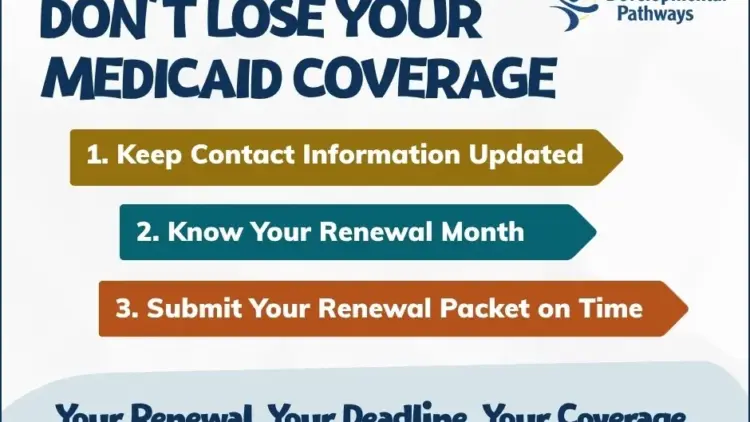
Understanding how these renewals work is essential for anyone enrolled in the program. Health First Colorado operates on a rolling renewal schedule rather than a single universal deadline for all participants. This means that each member has a specific renewal timeline tied to the month they originally enrolled or the month their annual review is scheduled. When a member’s renewal window approaches, notifications are typically dispatched through the mail or electronically to prompt action. The primary objective of the renewal packet is to gather updated financial, household, and demographic information to confirm that the recipient still meets the established income and eligibility criteria mandated by the state and federal government.
For many vulnerable residents, the stakes extend far beyond basic doctor visits and hospital care. Enrollees who depend on specialized waiver programs or Community First Choice services face particularly severe impacts if their coverage lapses. These specialized programs provide essential home and community-based services that allow individuals with significant functional needs to live safely and independently outside of institutional settings. A disruption in Health First Colorado eligibility can temporarily or permanently halt these services, creating immense stress for participants, their families, and the network of caregivers who rely on stable program funding to deliver daily support.
To prevent any interruption in coverage, members must take proactive steps when their renewal period arrives. This involves watching closely for official communications from the state department or local county departments of human services, carefully reviewing any documents sent, and promptly responding with accurate and complete information. Providing outdated details, missing documentation, or failing to respond before the stated deadline are among the most common reasons eligible individuals experience administrative terminations. State officials continually urge enrollees to report any changes in their mailing address, phone number, income, or household size immediately, ensuring that renewal notices reach them without delay and that their files reflect their current life circumstances.
Navigating the administrative requirements of public healthcare programs can occasionally be challenging, which is why a robust network of support systems exists to assist members through the process. For individuals who have questions regarding their renewal timeline, need clarification on what documentation is required, or require hands-on help completing their paperwork, various resources are readily available throughout the state. Members can reach out to designated customer service channels, local county departments of human services, or certified application assistance sites and community organizations that specialize in helping public health beneficiaries maintain their coverage.
In addition to direct assistance from state and county caseworkers, numerous supplemental resources and advocacy organizations offer guidance and educational materials designed to demystify the renewal process. These resources often include informational websites, outreach campaigns, and community workshops aimed at reaching populations that might otherwise struggle with paperwork or digital communication portals. By utilizing these available support networks, enrollees can successfully navigate the administrative hurdles of the annual review, protect their vital healthcare benefits, and ensure continuous access to the medical services and community-based supports they depend on for their health and well-being.