ST. LOUIS — The regular publication of the Wheelchair Travel Newsletter is set to return next week following the conclusion of a series of group trips across Europe led by John Morris. Upon his return, Morris is scheduled to announce a brand-new tour offering slated for the summer of 2027, continuing the platform’s expansion of accessible group travel opportunities.
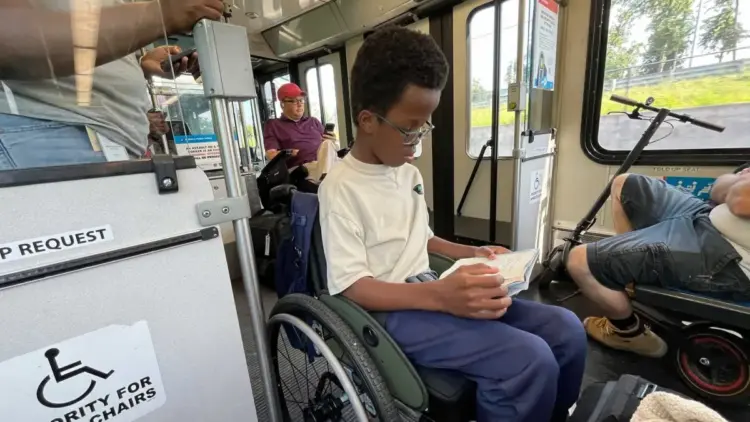
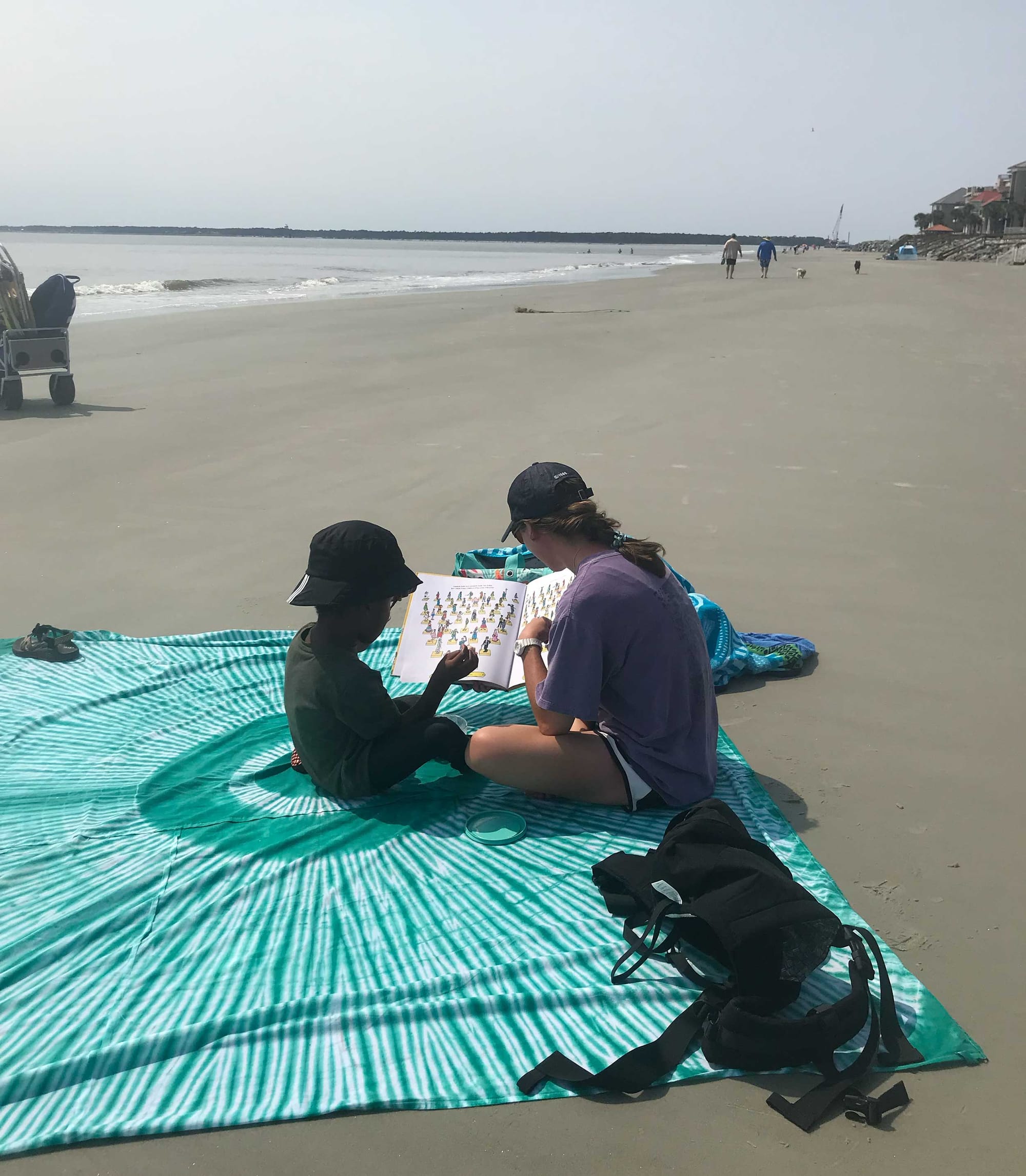
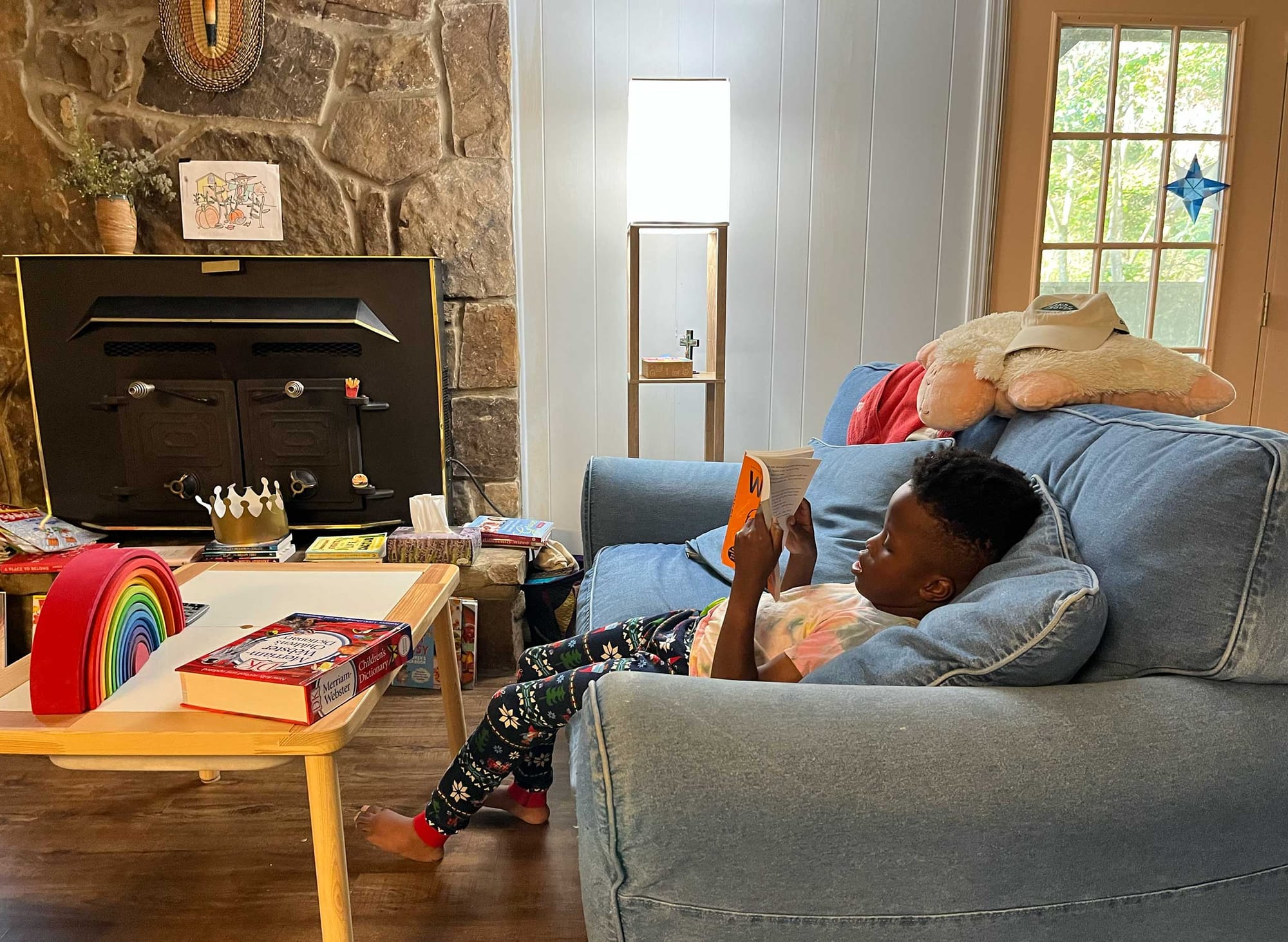
Amid preparations for the newsletter’s return, the editorial team has turned its attention to an activity intrinsically tied to transit, waiting areas, and travel delays: reading. Whether navigating time on trains, waiting at airport boarding gates, or managing air travel delays, literature frequently serves as a reliable companion for travelers of all ages. Current editorial projects include a forthcoming piece examining boredom busters for traveling children, with reading highlighted as a primary engagement activity. For the Morris family, books occupy a central daily role, anchored by nightly reading habits and a long-standing book group that has met among close friends for nearly five years.
The family’s recent relocation to St. Louis has brought them into close proximity with the historic Saint Louis Central Library, a grand architectural space embodying the traditional atmosphere of a civic house of learning. Inscribed on the exterior of the building are numerous quotations honoring the written word, including a prominent reflection from industrialist and philanthropist Andrew Carnegie: "I choose free libraries as the best agencies for improving the masses of the people because they only help those who help themselves. They never pauperize. A taste for reading drives our lower tastes."
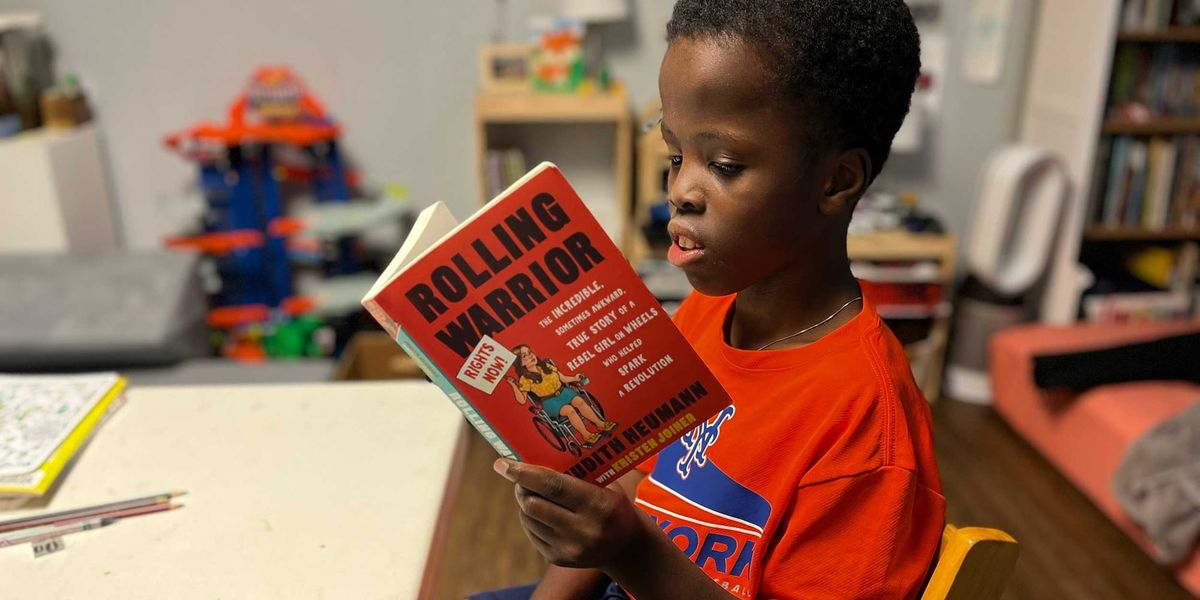
Reflecting a deep-rooted passion for introducing readers to compelling literature, the editorial team has curated a comprehensive selection of disability-focused titles. Drawing from a library of hundreds of books read over the years, the selection highlights four standout works per age grouping, spanning early childhood picture books, middle-grade novels, and titles tailored for young adults and adults.
Early Childhood Picture Books
Introduced first are foundational works aimed at early childhood readers, designed to offer both windows into unfamiliar experiences and mirrors reflecting lived realities.
What Happened to You? by James Catchpole brings a grounded perspective to an unspoken experience familiar to many disabled children. Released in the United States in 2023 following years of digital advocacy by the Catchpole family on Instagram, the book uses its protagonist, Joe, to address the systemic presence of ingrained ableism in a manner accessible to young audiences. The narrative provides clear language to articulate social interactions that many families previously lacked the phrasing to address.

Marilyn Singer’s Best Day Ever approaches representation through a gentle, upbeat lens, focusing on an enthusiastic puppy and her owner, a boy who happens to use a wheelchair. Illustrated by Leah Nixon, the book delivers disability representation naturally, without explicitly drawing clinical focus to the chair. The work directly addresses the historical void of "mirror books"—literature reflecting a child’s own lived experience—complementing the traditional "window books" used to understand alternative perspectives.
I Talk Like a River by Jordan Scott offers a poetic and visually striking exploration of a boy navigating a speech stutter with his father’s guidance. Supported by acclaimed illustrations, the narrative captures the emotional reality of speech differences and employs a writing style capable of bridging generational audiences, making it an ideal shared reading experience for parents and children.
Rounding out the early childhood category is Annette Bay Pimentel’s All the Way to the Top, an illustrated biography chronicling the childhood activism of Jennifer Keelan-Chaffins. The book introduces young readers to disability history through the lens of the historic Capitol Crawl, emphasizing that civic participation and the pursuit of accessibility are not exclusively adult endeavors.
Middle Grade Novels
Transitioning to middle-grade literature, the selected chapter books explore identity, community, and personal growth through narrative fiction and biography.
Dusti Bowling’s Insignificant Events in the Life of a Cactus has emerged as a household favorite, frequently reread by young readers. The protagonist, Aven, was born without arms, a characteristic central to the plot but balanced by themes of humor, mystery, and adolescent friendship, which includes a secondary character with Tourette Syndrome. The novel provides a springboard for discussions regarding realistic disability characterizations in contemporary fiction.
Rob Harrell’s Wink draws directly from the author’s childhood experience with a rare form of eye cancer. Chronicling the middle school journey of a protagonist named Ross following a sudden diagnosis, the novel blends humor, music, and social navigation. It resonates strongly with readers who may feel outside typical adolescent norms, offering both levity and reflection.
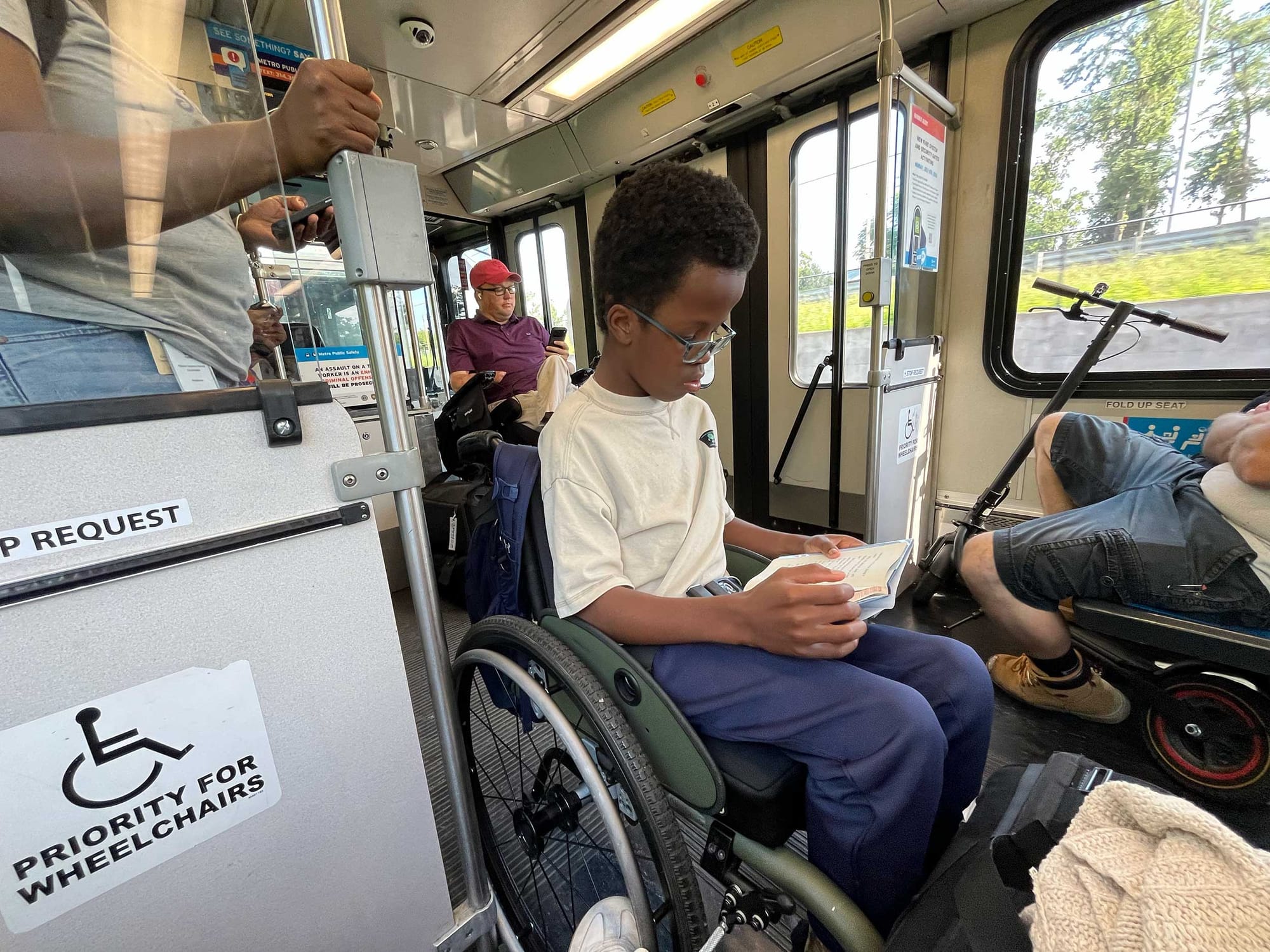
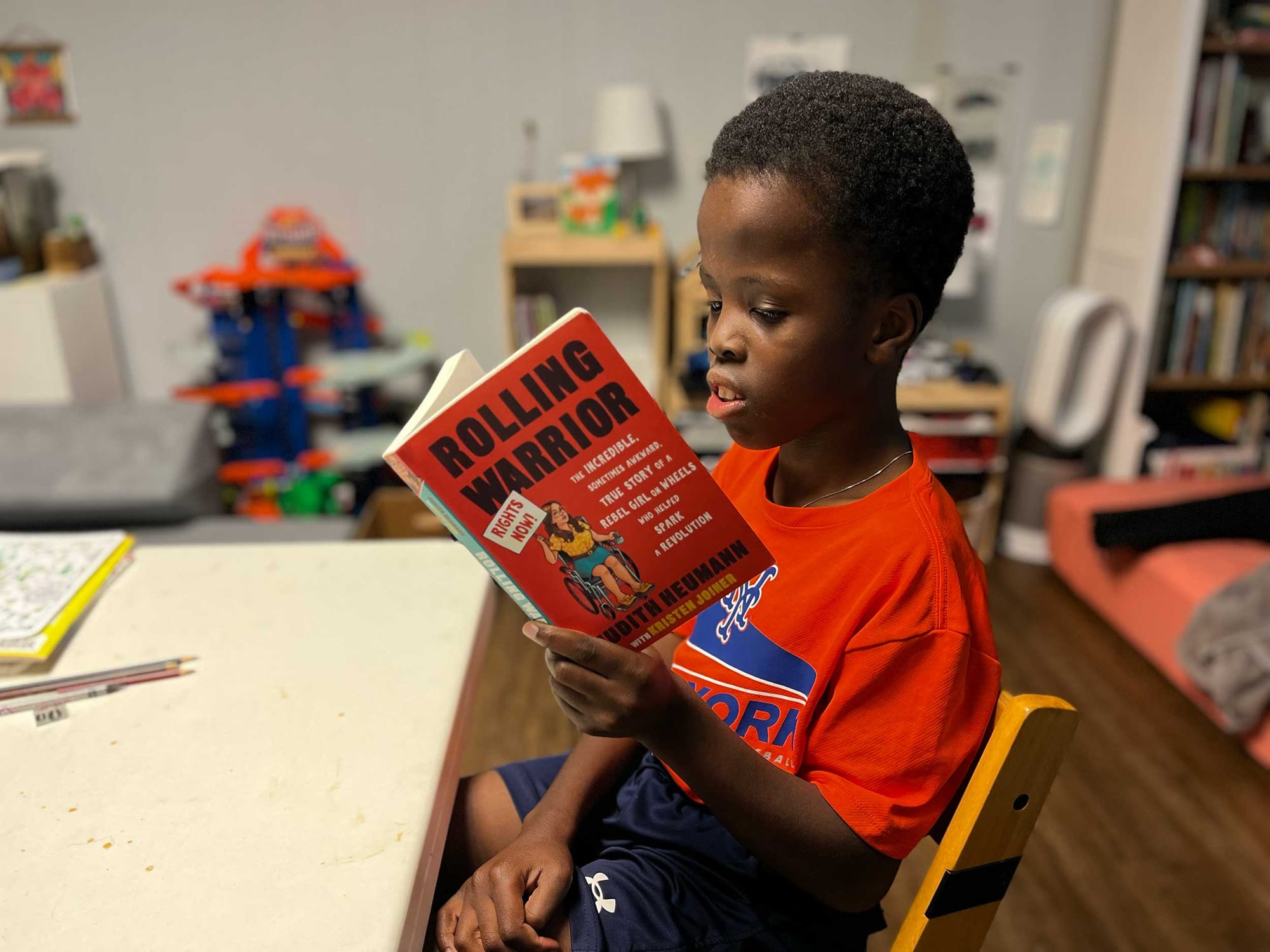
Judith Heumann and Kristen Joiner’s Rolling Warrior, adapted for younger readers from Heumann’s adult memoir, chronicles the advocacy that helped shape the modern disability rights movement. Through the true story of a young activist navigating structural barriers, the book encourages civic engagement and highlights the historical foundations of accessibility rights.
Cerrie Burnell’s I Am Not a Label profiles more than 30 contemporary and historical disabled artists, thinkers, and activists. By showcasing diverse accomplishments, the collection challenges narrow societal definitions and offers role models across various creative and professional disciplines.
Titles for Young Adults and Adults
The curated list concludes with memoirs and non-fiction works designed for mature readers, exploring systemic ableism, personal identity, and civil rights history.
Rebekah Taussig’s Sitting Pretty offers a collection of personal essays examining disability through a nuanced, modern lens. The memoir avoids oversimplified narratives, analyzing the physical and social structures of the world while maintaining an honest perspective on daily life as a wheelchair user.
Ariel Henley’s A Face for Picasso presents a raw account of growing up with Crouzon Syndrome, a rare craniofacial condition. The memoir explores societal perceptions of beauty, identity, and personal resilience, challenging readers to reexamine underlying cultural assumptions.
Judith Heumann’s memoir, Being Heumann: An Unrepentant Memoir of a Disability Rights Activist, co-written with Kristen Joiner, details the author’s decades-long leadership in the disability rights movement. From the historic 504 Sit-In to the passage of the Americans with Disabilities Act and her tenure as Special Advisor on Disability Rights for the U.S. State Department, the book provides a definitive firsthand account of twentieth-century civil rights history.
Haben Girma’s Haben: The Deafblind Woman who Conquered Harvard Law chronicles the author’s journey through higher education and professional advocacy. Rather than framing disability strictly as an obstacle to be overcome, Girma’s narrative emphasizes systemic adaptation and portrays disability as a catalyst for innovation.
As readers explore these titles through local public library systems, the platform notes that many municipal libraries offer extended benefits beyond book lending, including free or discounted admission tickets to regional museums and cultural attractions for cardholders. Further information regarding library card perks and upcoming travel announcements will accompany the resumption of the regular newsletter schedule next week.