
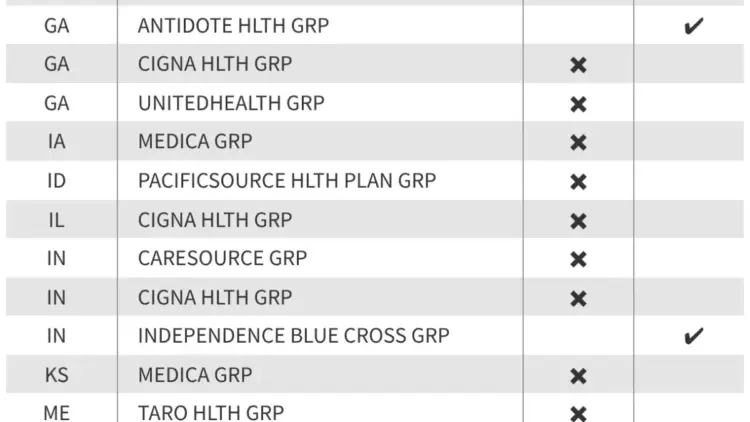
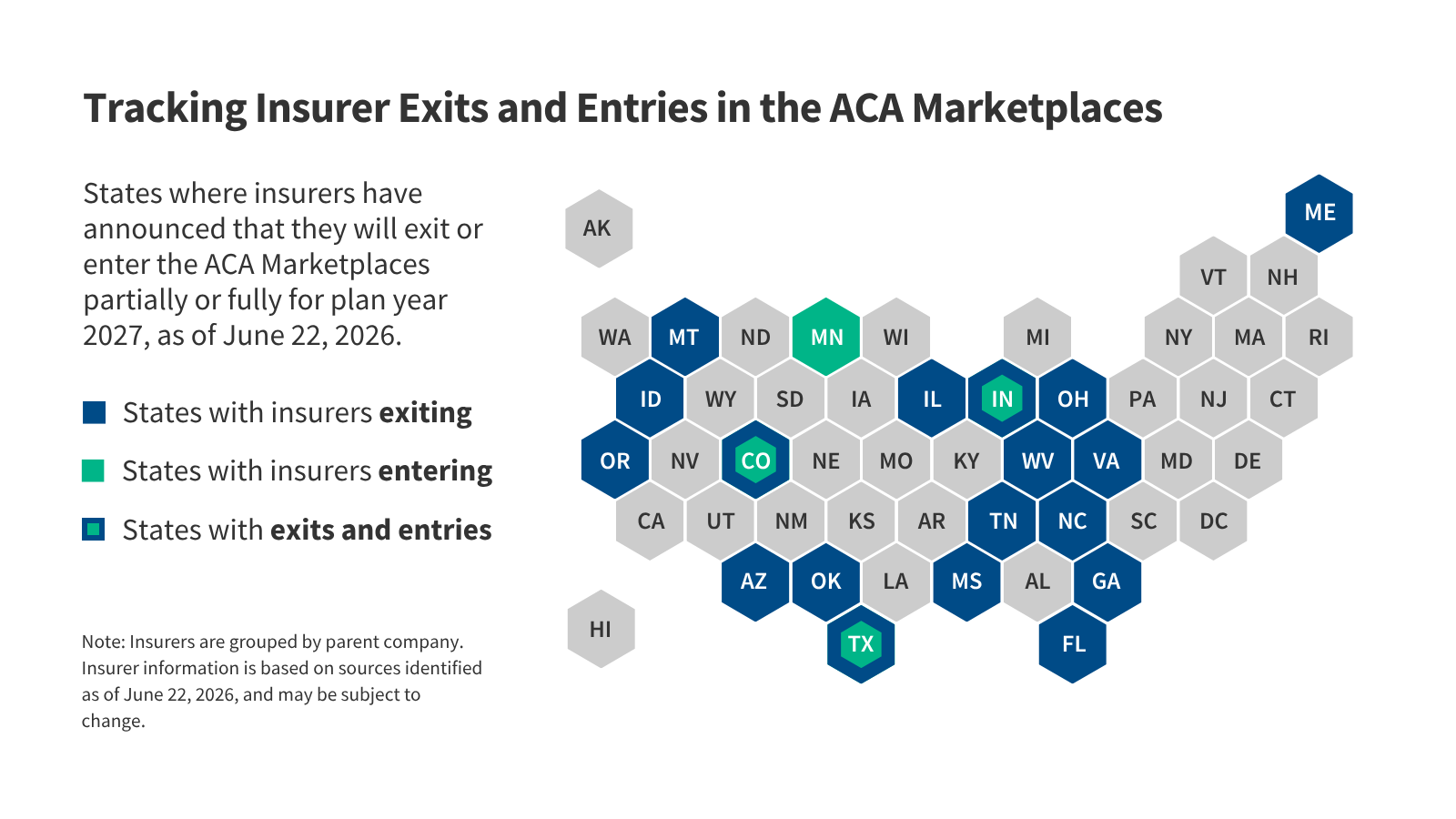
As the healthcare landscape continues to adjust to major federal policy shifts, the Affordable Care Act (ACA) Marketplaces are facing a wave of insurer participation changes for the upcoming 2027 plan year. According to the latest tracking data, 11 carriers have officially announced that they will exit the ACA Marketplaces either entirely or in select states where they currently offer plans. At the same time, a smaller counter-movement is underway, with six carriers announcing plans to enter new state Marketplaces.
These strategic pivots by health insurance companies follow a turbulent period marked by the expiration of enhanced premium tax credits at the end of 2025. The loss of these financial subsidies dealt an immediate blow to consumer enrollment, driving sign-ups down by over a million people during the transition from the 2025 to the 2026 Open Enrollment Periods. Industry experts and health policy analysts note that further membership declines within the ACA Marketplaces are expected to unfold as the year progresses, creating a vastly different operating environment for insurers writing individual market policies.
The broader implications of these declining enrollment figures extend far beyond simple membership tallies. A shrinking marketplace directly affects the overall size of the potential market available to insurers, while also raising critical questions regarding the stability of the risk pool. Health economists have long warned that premium increases and the removal of enhanced subsidies disproportionately drive healthier-than-average enrollees to drop their coverage. When younger and healthier individuals exit the risk pool, the remaining population tends to skew older and sicker, which can trigger adverse selection spirals and force insurers to raise premiums even further to cover rising medical costs.
Faced with shrinking potential customer bases and shifting risk pools, health plans are actively reassessing the long-term profitability and viability of maintaining their ACA Marketplace footprints. Among the most notable departures is Cigna, which has made the definitive decision to exit the individual market entirely in 2027. Company executives have pointed to the lack of sufficient growth potential within the ACA Marketplace segment as the primary driver behind the move, choosing instead to concentrate corporate resources on other core areas of the enterprise.
Cigna reported first-quarter on-exchange enrollment of over 350,000 individuals prior to the announcement. Under its upcoming exit strategy, the company will withdraw from all 11 states in which it currently participates, cutting off both on-exchange and off-exchange individual market offerings. Cigna’s perspective was underscored by leadership commentary noting that the individual exchange business represents a relatively small segment of their overall portfolio that has been steadily contracting in recent years, making a complete reallocation of capital to core growth platforms across the broader Cigna Group a strategic necessity.
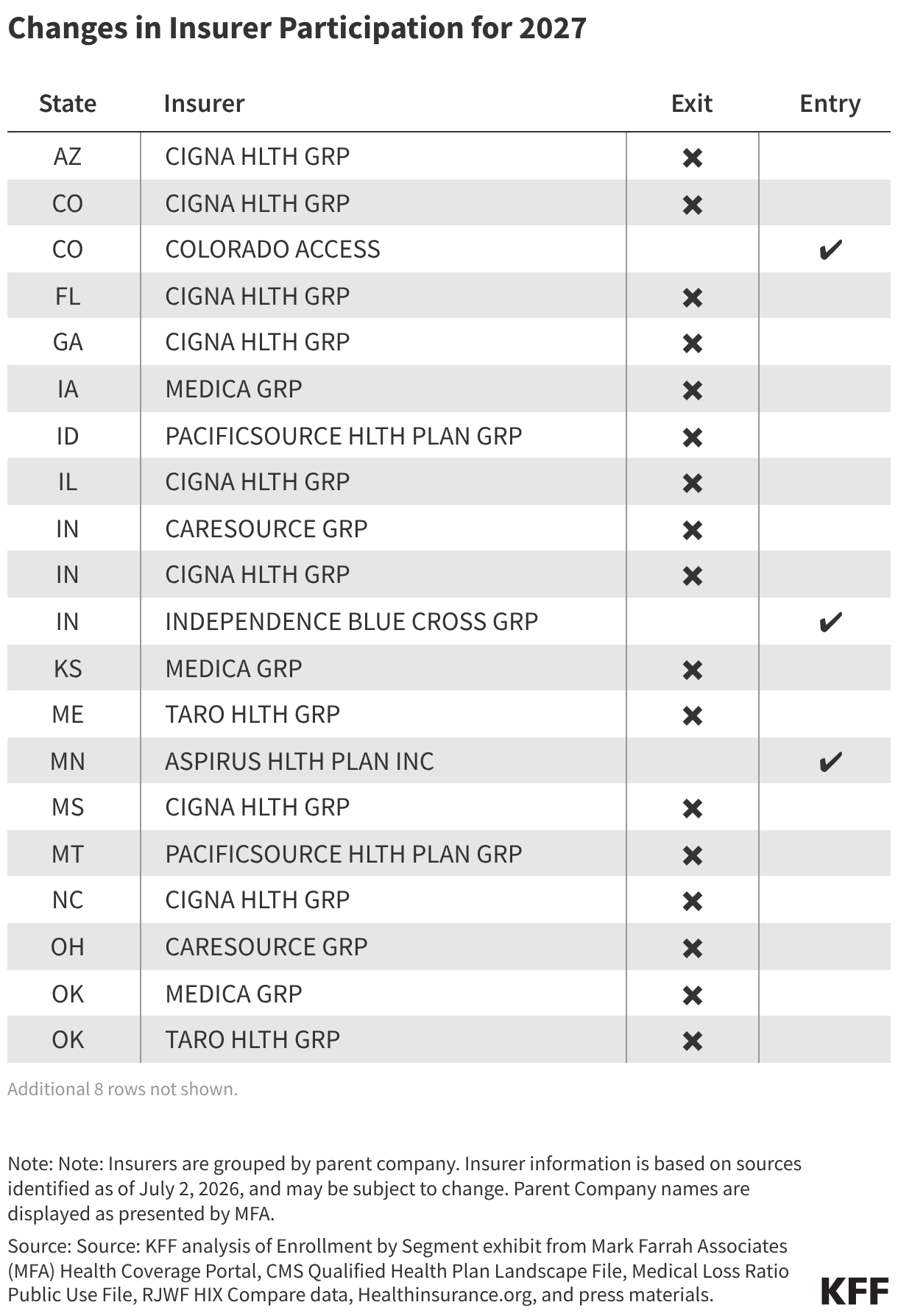
The departures are not occurring in a vacuum, and the cumulative impact is beginning to concentrate in specific geographic regions. In several instances, multiple insurers are simultaneously announcing withdrawals from the same state markets. This compounding loss of participation is introducing significant structural vulnerabilities to regional health insurance exchanges. In states where multiple carriers are pulling back, the remaining insurers will face significantly less market competition, which could diminish plan variety, remove downward pressure on premium pricing, and ultimately leave consumers with fewer meaningful healthcare choices when selecting coverage.
While the net balance of carrier movements points toward a contraction in overall market availability for 2027, the entry of six new carriers into various state Marketplaces demonstrates that pockets of opportunity still exist. Regional dynamics, local provider networks, and state-specific regulatory environments continue to influence how individual insurers evaluate their risk tolerance and growth strategies in the post-enhanced-subsidy era.
These ongoing structural adjustments and market realignments are occurring against the backdrop of heightened public and political attention regarding the future of healthcare affordability and insurance access. As policy debates continue to unfold regarding the long-term funding of individual health insurance markets, the decisions made by carriers for the 2027 plan year will play a pivotal role in shaping consumer access, affordability, and market stability for millions of Americans seeking coverage outside of traditional employer-sponsored plans.



