
The federal government has released its initial roadmap for Medicare Part D prescription drug plans for the upcoming year, pointing toward a marketplace defined by overall stability, shrinking plan choices, and a wide divergence in what individual beneficiaries will pay for their coverage.
According to data recently published by the Centers for Medicare & Medicaid Services (CMS), the average monthly premium for stand-alone prescription drug plans (PDPs) is expected to rise by a modest dollar, moving from $35 in 2026 to $36 in 2027. For the second consecutive year, federal regulators have emphasized a broad sense of stability across the Part D marketplace, aiming to reassure millions of older Americans and individuals with disabilities as they prepare for the annual open enrollment period.
However, a detailed independent analysis of the 2027 landscape by KFF reveals a much more nuanced reality beneath the federal averages. While the national average premium increase appears minimal, the broader picture shows a mixed bag for enrollees. Many beneficiaries will experience relatively modest adjustments or even premium decreases if they remain in their current plans, but others face steep, substantial price hikes. At the same time, the marketplace is shrinking for the fourth consecutive year, leaving beneficiaries with fewer stand-alone plan options to choose from as major insurance providers scale back their regional footprints.
Shrinking Plan Availability Across the Country
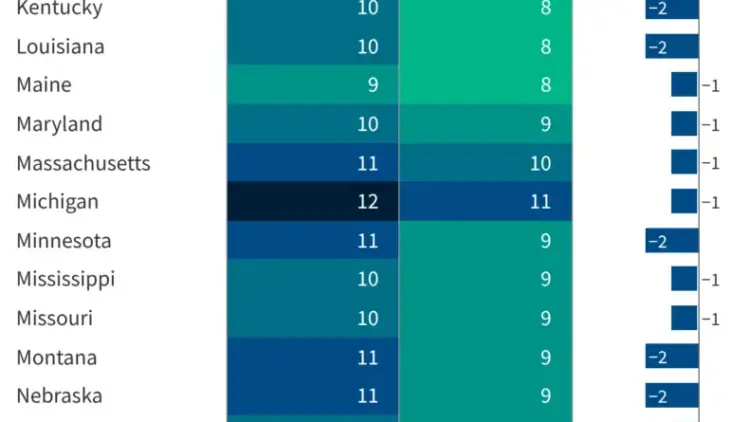
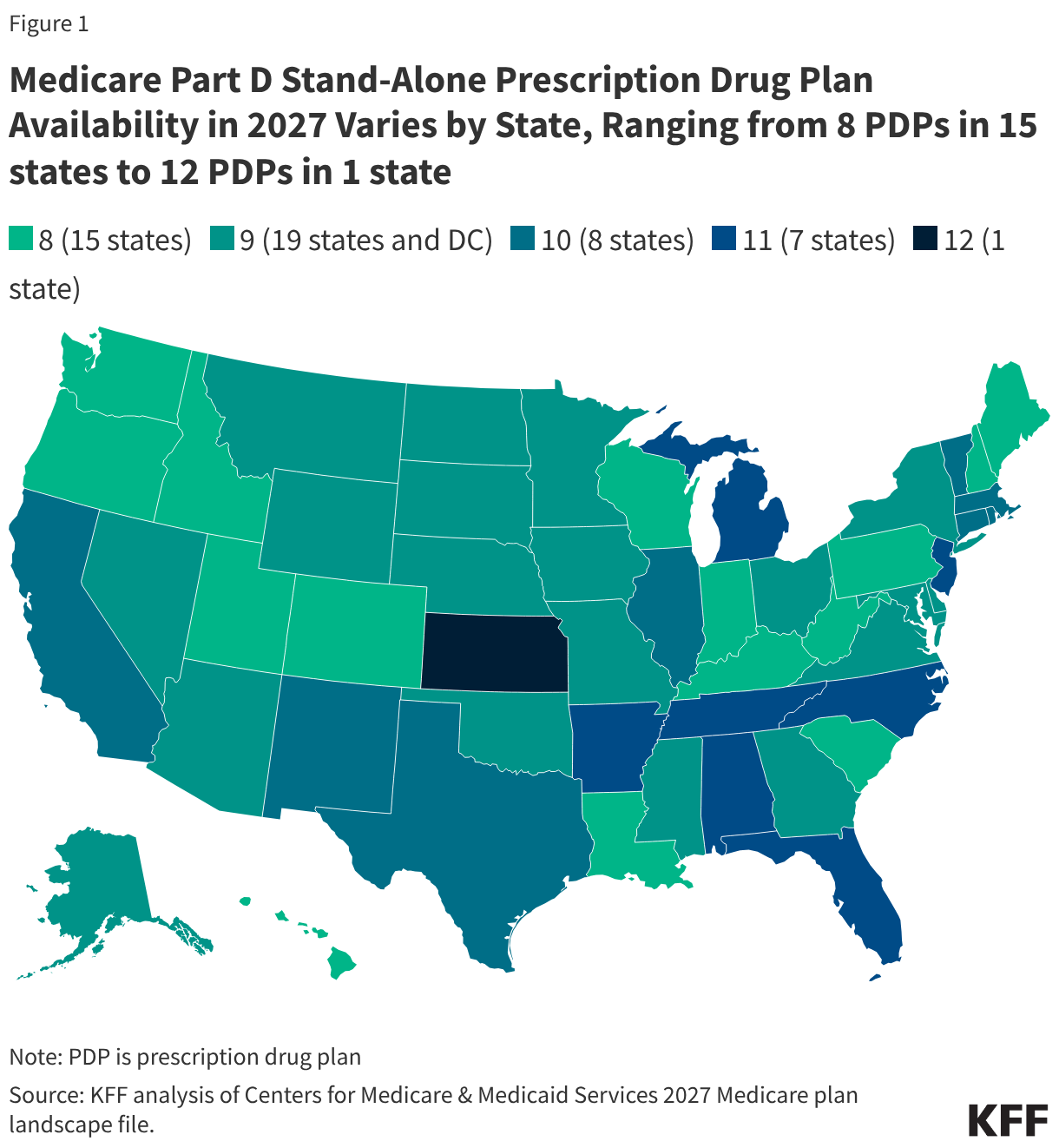
For beneficiaries who rely on stand-alone prescription drug plans rather than integrated health coverage, choice continues to contract. The number of stand-alone PDPs available to the average beneficiary is set to drop from 11 in 2026 down to 9 in 2027. On a national level, the total number of distinct stand-alone drug plans is falling from 360 plans—offered by 17 parent organizations—down to 316 plans offered by just 15 parent organizations.
This steady reduction in choices is largely driven by strategic retreats from several major plan sponsors. Most notably, Health Care Service Corporation is withdrawing its HealthSpring Extra Rx PDP from 22 regions, while CVS Health is pulling the Silverscript Choice PDP from 13 regions. Amid these industry-wide pullbacks, Humana stands out as the only major insurer continuing to offer three distinct PDP options across all 34 designated PDP regions nationwide.
Geographic availability for 2027 varies widely depending on where a beneficiary lives, though the overall state-by-state spread remains consistent with the previous year. The number of available plans ranges from a low of 8 PDPs in 15 different states up to a high of 12 PDPs in a single state. However, the distribution has shifted slightly downward, with the vast majority of states now offering either 8 or 9 plans, compared to previous years where 10 or more options were more common. Nearly every state in the nation will experience a slight reduction in plan choices for 2027, with the notable exception of Florida, which is gaining a single PDP option, and four other states that will see no change in their available plan counts.
Diverging Premium Realities for Enrollees
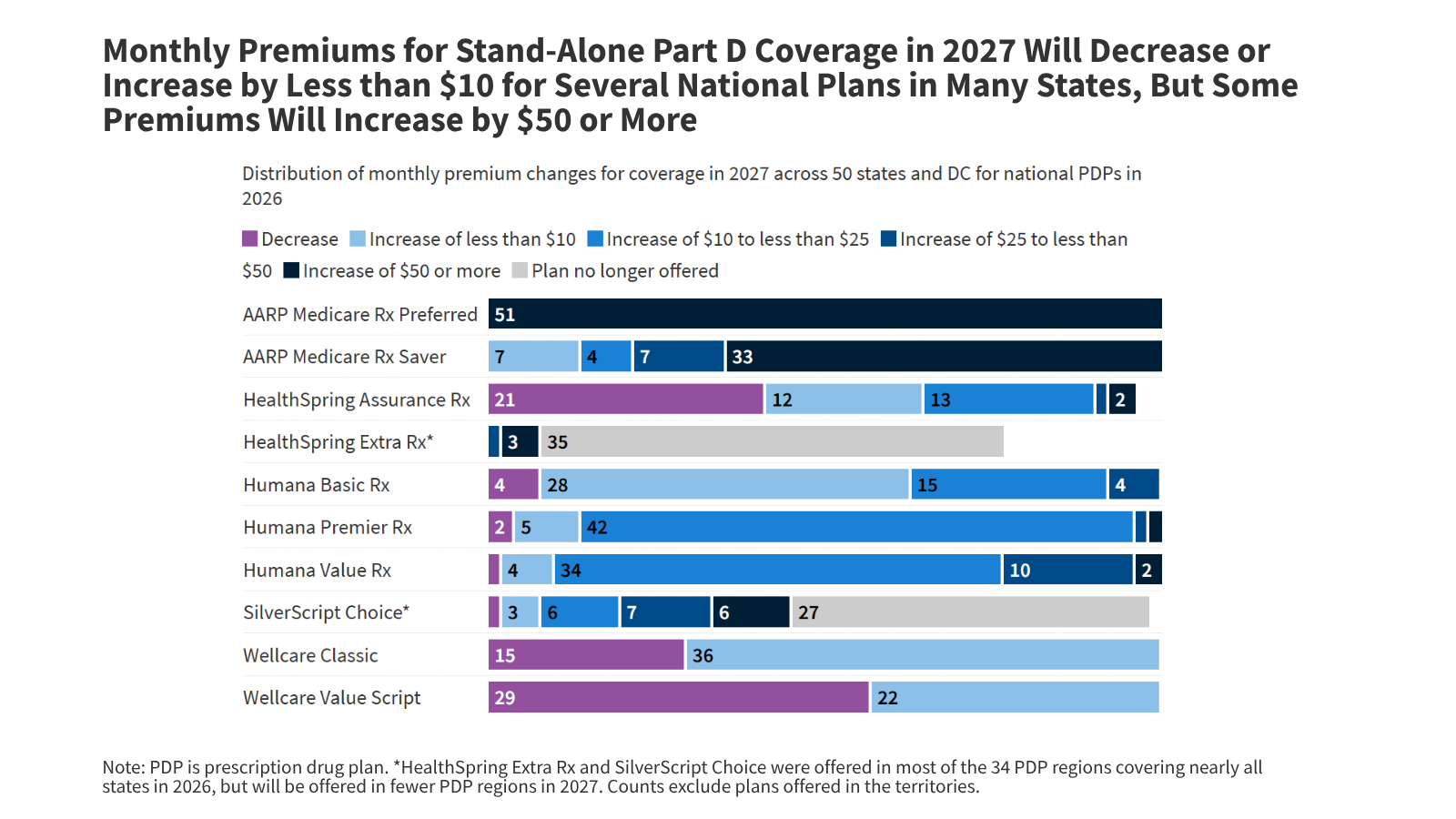
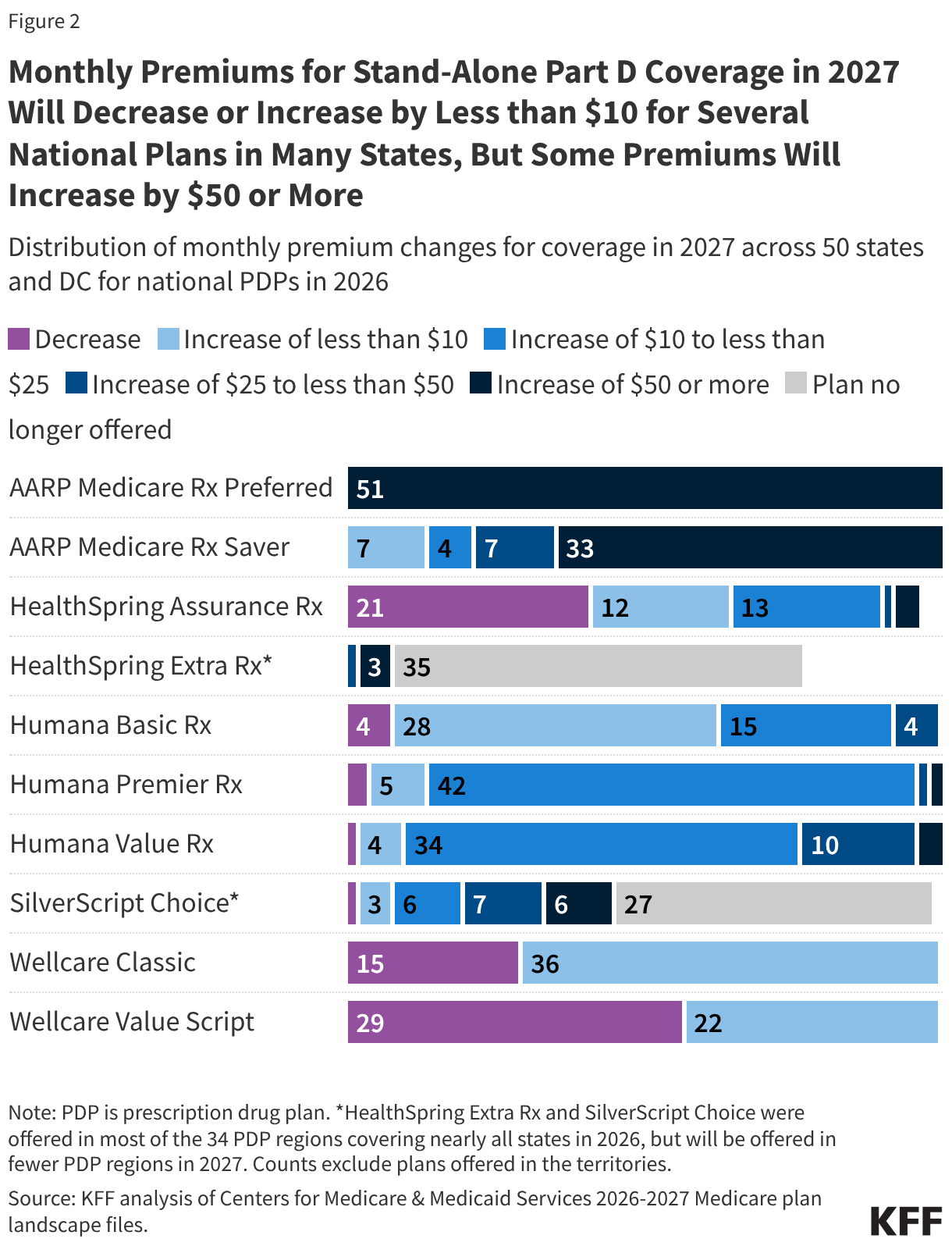
While CMS highlights a nearly flat national average premium, individual experiences will depend heavily on geographic location and specific plan selection. Many PDP enrollees will find that staying in their current plan yields either a premium reduction or only a minor price increase for 2027. For instance, enrollees across several states who are currently signed up for any of the eight major PDPs that continue to operate on a national basis may see their monthly costs drop if they stay put.
Conversely, enrollees in other states who subscribe to those exact same national plans could face significantly higher bills if they fail to shop around and switch coverage. Because premium adjustments vary drastically by region, consumers cannot rely on national averages to accurately predict their personal healthcare expenses for the coming year.
A major structural shift influencing these costs is the conclusion of the Part D Premium Stabilization Demonstration. When CMS initially introduced the temporary program, it provided crucial financial subsidies to plan sponsors through two primary mechanisms: reducing the base beneficiary premium used to calculate individual plan costs, and capping year-over-year monthly premium increases.
CMS ultimately determined that this extra financial bolstering was no longer necessary following the 2026 plan year, opting to let the demonstration expire. While the termination of the temporary subsidies did not trigger the widespread, catastrophic premium spikes that some industry observers initially feared, it has still left a distinct mark on the 2027 marketplace. The expiration of the program has contributed to the disappearance of zero-premium stand-alone plans for many enrollees who do not qualify for low-income subsidies. Furthermore, without the federal cap limiting annual premium growth, certain beneficiaries who remain in their current plans could see their monthly bills jump by $50 or more.
The Medicare Advantage Dynamic
A critical factor shaping the broader Part D landscape is the massive enrollment shift toward Medicare Advantage plans that include built-in prescription drug coverage, known as MA-PDs. In 2026, approximately 56 percent of all Medicare Part D enrollees were housed within Medicare Advantage plans rather than stand-alone prescription drug plans, a trend expected to heavily influence the impact of upcoming policy and cost changes.
Because a majority of Part D participants are enrolled in Medicare Advantage, most enrollees will bypass the specific premium adjustments affecting stand-alone PDPs entirely. Federal data indicates that average monthly premiums for Medicare Advantage drug plans will remain substantially lower than stand-alone equivalents for 2027. Furthermore, the vast majority of MA-PD enrollees who do not receive low-income subsidies are expected to pay zero monthly premiums for their prescription drug coverage, mirroring patterns seen in prior years.
This financial advantage is made possible because Medicare Advantage plan sponsors can leverage federal rebate dollars to directly subsidize and reduce prescription drug premiums—a funding mechanism that is fundamentally unavailable to sponsors who offer traditional stand-alone PDPs.
Looking Beyond the Monthly Premium
As the open enrollment season approaches, healthcare consumer advocates emphasize that monthly premiums tell only part of the story. Even when a drug plan features a decreasing or modestly rising monthly cost, beneficiaries must evaluate the entire scope of their coverage to ensure their medical needs are adequately met.
Critical factors extending beyond the monthly bill include a plan’s specific formulary—the official list of covered and excluded medications—along with the tier placement of those drugs, annual deductibles, and out-of-pocket cost-sharing requirements. With overall healthcare and prescription drug costs continuing to rise across the national economy, plans that manage to keep their monthly premiums flat or low may simultaneously tighten their benefits in other areas. This often manifests as reduced drug coverage, stricter utilization management rules, higher cost-sharing burdens, or a combination of these measures.
For millions of older adults and individuals navigating the Medicare system, the 2027 landscape reinforces the longstanding recommendation to carefully review annual notice of change documents, compare all available options within their state, and weigh the total value of a plan rather than focusing solely on the baseline monthly premium.



