As the winter season sets in, bringing with it shifting daily routines, extended periods indoors, and the anticipation of holiday breaks, educators and parents frequently notice a distinct change in the behavior of children and young adults. The transition periods immediately preceding and following major winter breaks are often marked by heightened stress, difficulty with focus, and emotional dysregulation. To counter these challenges, schools and homes are increasingly adopting targeted self-regulation strategies designed to help kids effectively manage their thoughts, feelings, and behaviors during the colder months.

Self-regulation is broadly defined as the critical ability that enables children to navigate everyday emotions, maintain concentration on assigned tasks, and foster positive social connections with their peers. While these skills are foundational throughout the entire calendar year, experts emphasize that they become especially vital during winter. The combination of disrupted schedules and confined indoor environments means that children and young adults often require additional structural support to maintain their emotional equilibrium. Rather than treating emotional management as a rigid chore, contemporary approaches advocate for embedding self-regulation practices into fun, engaging, and age-appropriate winter activities.

Among the foundational strategies being implemented across classrooms and households are winter-themed breathing exercises. Mindful breathing serves as a neurological pause button, allowing young people to step back from immediate impulses or emotional reactions and focus instead on deliberate inhales and exhales. Educational leaders explain that this practice activates the parasympathetic nervous system, the biological mechanism responsible for enabling genuine rest and relaxation. Extensive research underscores that focusing on the breath supports foundational self-regulation, enhances cognitive focus, and cultivates an overarching sense of calm that children can access at any time.

Complementing indoor breathing techniques, outdoor nature walks provide another vital avenue for emotional regulation during the winter months. Educators encourage children to bundle up and explore outdoor environments while paying close attention to their immediate sensory experiences—observing the chilly breeze, listening to the environment, and noticing wildlife. This form of active engagement merges physical exercise with mindfulness. Scientific studies consistently demonstrate that spending time outdoors helps reduce stress, strengthens attention spans, and improves overall mood and well-being, addressing the seasonal deficit of fresh air and sunshine.

Gratitude practices have similarly emerged as a powerful tool for shifting emotional states during the winter season. By reflecting on what they appreciate—ranging from seasonal traditions like hot cocoa and winter sports to simple comforts like the warmth of sunlight on a cold day—children learn to redirect their cognitive focus toward the positive. Psychological research indicates that practicing gratitude yields numerous benefits, including reduced stress, improved mood, stronger resilience, better sleep quality, and an overall enhancement in emotional well-being.

For children who benefit from creative outlets, mindful winter coloring offers a valuable bridge between relaxation and engagement. Unlike strict forms of meditation that require prolonged stillness, coloring allows for gentle movement while still promoting focus. By utilizing coloring pages featuring positive self-talk phrases or winter motifs, students are encouraged to slow down and prioritize the process of relaxation over artistic perfection, effectively reducing anxiety and improving daily mood.

Similarly, cozy reading time creates a structured environment for calm and connection. Whether through independent silent reading or group read-aloud sessions, immersing children in a good book helps lower stress levels, ease physical muscle tension, and foster empathy. Group reading initiatives offer the added advantage of co-regulation, allowing children and adults to share a collective moment of calm that shields them from the various stressors encountered throughout the day.

Hands-on sensory exploration provides yet another tactile method for building focus and emotional stability. Winter-themed sensory bins filled with specialized materials engage fine motor skills while naturally encouraging curiosity and mindful exploration. These tactile experiences help ground children, offering a physical outlet that supports self-control and concentration in both classroom and home settings.

Integrating mindfulness into everyday routines has also highlighted simple rituals, such as mindfully sipping hot cocoa. By encouraging children to focus intensely on the physical sensations of holding a warm mug, smelling the aroma, and tasting the drink slowly between pauses, adults can utilize a comforting treat as a practical exercise in mindfulness. Warm beverages naturally signal the central nervous system to relax and assist in relieving muscular tension.

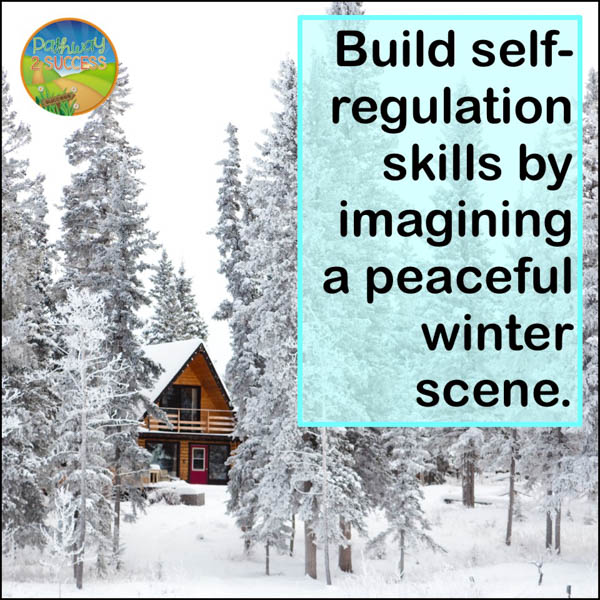
To further harness the power of focus, educators often turn to winter imagination and visualization exercises. Guiding children to close their eyes and mentally picture a serene, relaxing winter scene prompts them to engage their senses and shift their internal state toward calm. This mental imagery acts as a portable coping mechanism that young people can invoke whenever they feel overwhelmed by their environment.
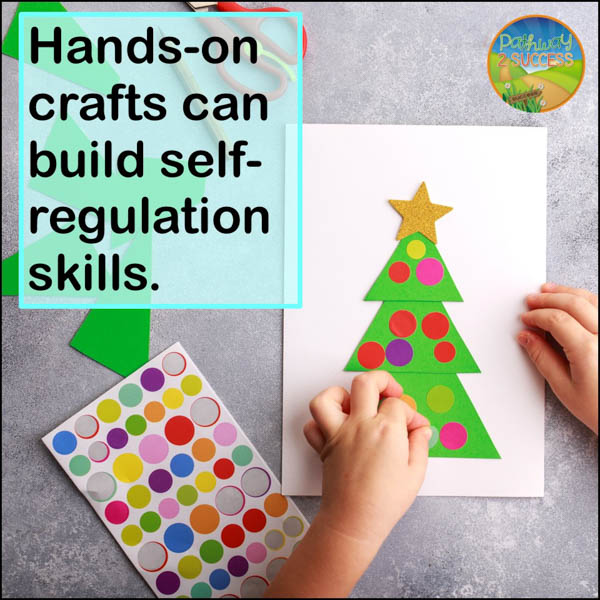
Creative arts and crafts provide structured avenues for emotional regulation as well. Engaging in hands-on winter projects allows learners to refine their fine motor skills while navigating the emotional hurdles that arise when creative endeavors do not go according to plan. By focusing attention on sequential steps and managing frustration constructively, children build resilience through creative expression.
Finally, auditory and movement-based activities round out the comprehensive approach to winter self-regulation. Playing gentle, winter-themed instrumental music creates a soothing backdrop for independent work and smooth transitions, leveraging the power of sound to trigger a relaxation response. Conversely, active games like winter freeze dance channel physical energy into a playful format, requiring children to practice self-control by instantly freezing their bodies upon hearing designated seasonal vocabulary words. Through this diverse array of engaging strategies, educators and families are finding effective ways to support children’s emotional needs throughout the challenges of the winter season.