

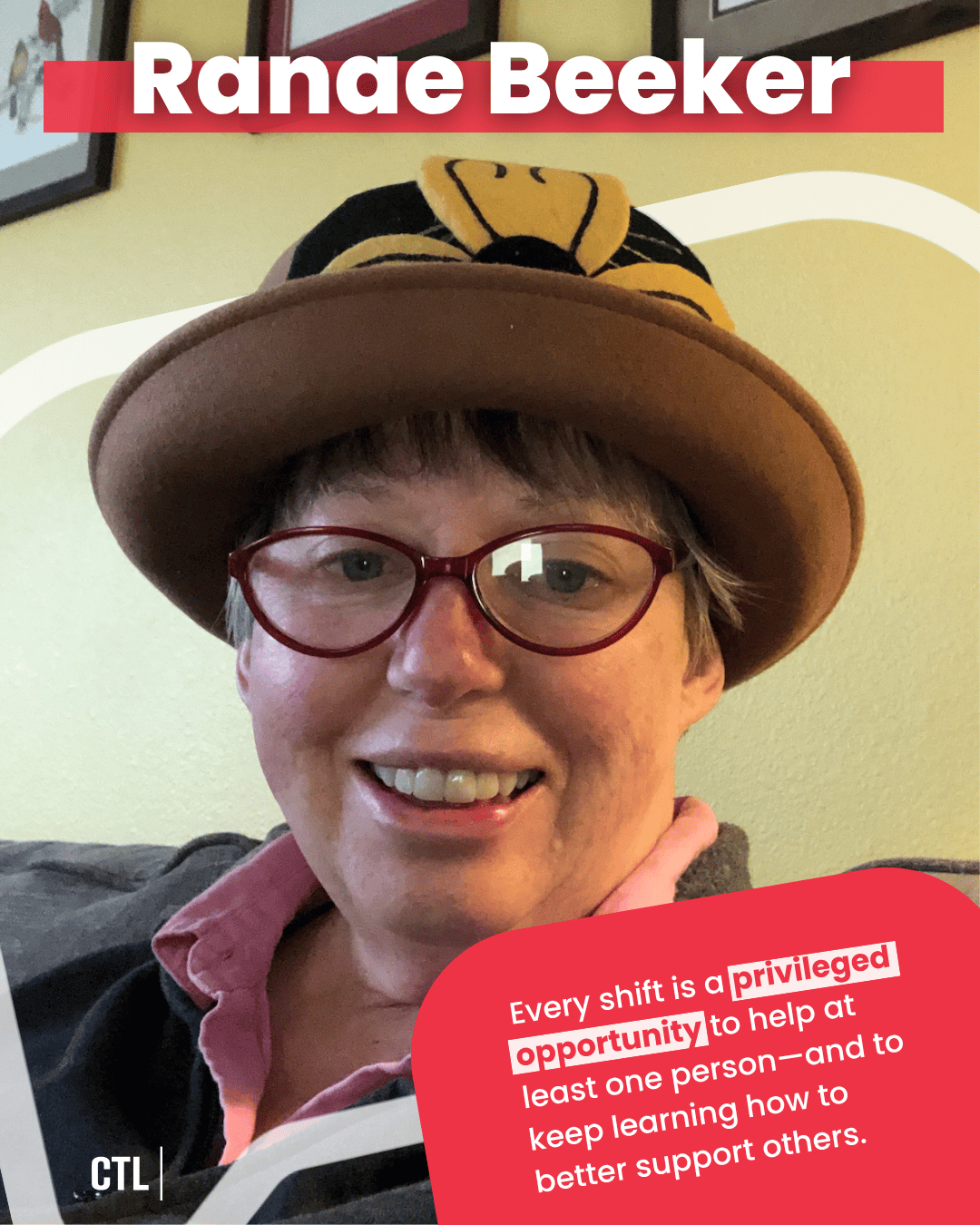
This Volunteer Appreciation Month, organizations across the globe are turning their focus toward the vital contributions of unpaid workers who form the backbone of critical public services. Among them, Crisis Text Line is celebrating the extraordinary dedication of its volunteer Crisis Counselors, whose commitment has driven millions of meaningful connections during moments of acute emotional distress. Described by participants as uniquely fulfilling, a privileged opportunity, and deeply satisfying, the work of these volunteers underscores the profound value of community-driven support systems.
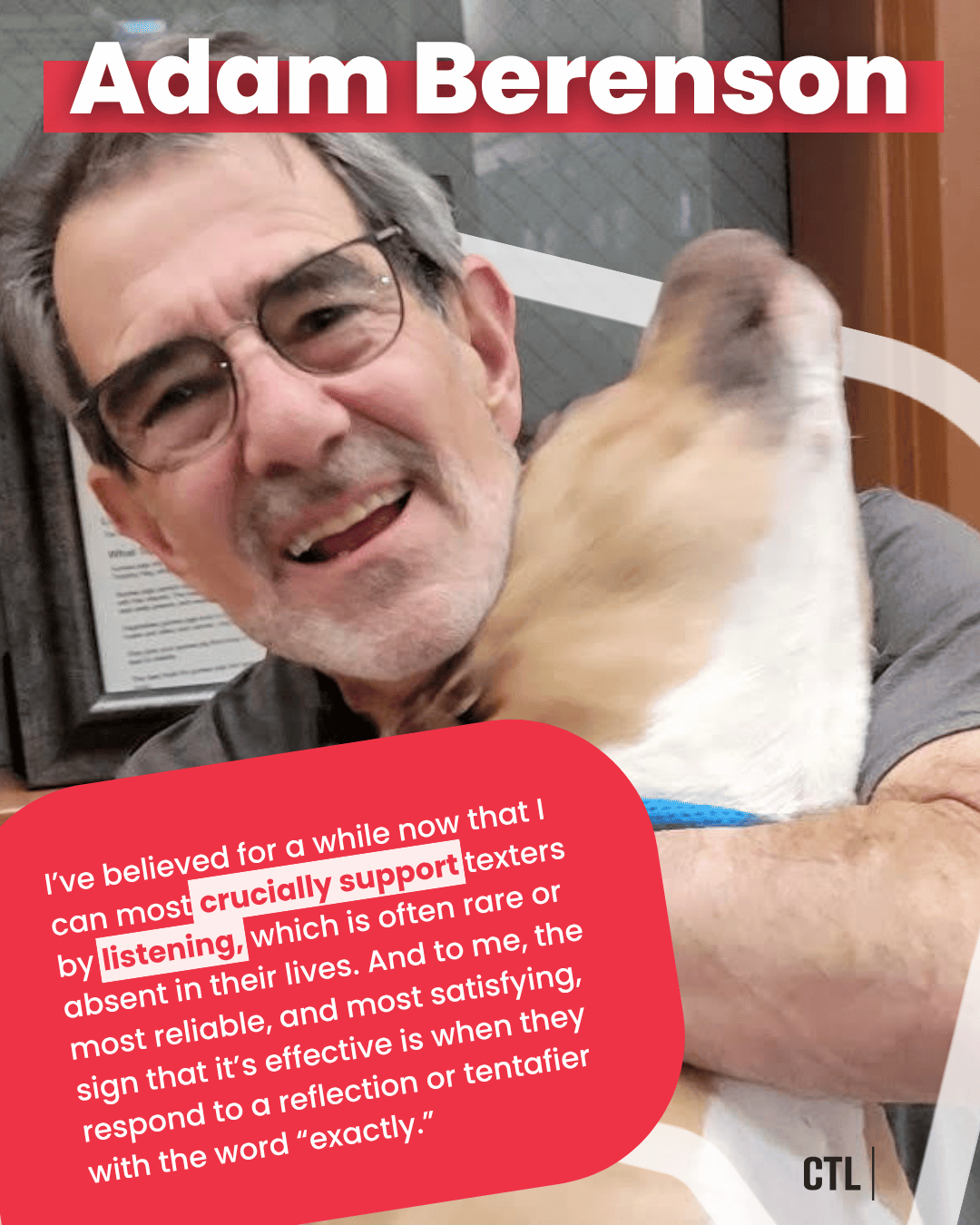
According to the organization’s impact data, dedicated volunteers helped support over 1.5 million individual conversations in 2025 alone. On a global scale, these compassionate individuals have collectively donated more than 9 million hours of their time to ensure that people facing their darkest moments do not have to face them alone. To mark Volunteer Appreciation Month, the organization has highlighted the personal stories and motivations of several volunteers, including Adam, Ranae, Stacey, and Myth, showcasing the diverse human faces behind the screens and the deeply personal reasons why people choose to dedicate their time and energy to helping others.
The ripple effects of this work highlight a fundamental truth about modern volunteerism: it is rarely a one-way street. While those seeking help receive essential emotional support, the volunteers themselves frequently experience profound personal growth, a heightened sense of purpose, and measurable improvements in their own mental and emotional well-being.
At its core, volunteerism is defined as the act of giving time, energy, or skills to support an individual, cause, or organization without financial compensation. Rooted in compassion, care, and collective support, volunteering has evolved significantly in recent years. While traditional views of volunteering often center on physical, hands-on community service, contemporary volunteerism encompasses a wide array of activities tailored to an individual’s unique strengths, professional expertise, and life experiences. Whether it involves lending technical skills, providing emotional support behind a keyboard, or showing up consistently for a marginalized community, modern volunteerism offers a versatile outlet for those seeking to feel more connected and useful in an increasingly fast-paced and sometimes isolating world.
Experts note that volunteerism plays a critical role in filling societal gaps where institutional support may be limited or entirely inaccessible. Communities and non-profit organizations heavily rely on volunteers to deliver essential services, educational resources, and emotional care. Beyond expanding an organization’s operational reach, volunteerism fosters greater public awareness around pressing social issues and strengthens the underlying networks of care that allow communities to weather everyday challenges and extraordinary crises alike.
For the individuals who step forward to volunteer, the motivations are often deeply personal. Some feel a powerful urge to give back to the community after receiving vital support during their own times of need. Others view volunteering as a direct method to transform abstract empathy into concrete, constructive action. Yet, one of the most frequently overlooked aspects of community service is the extensive array of benefits experienced by the volunteers themselves.
Chief among these personal benefits is a renewed sense of purpose. Contributing to a cause larger than oneself provides a steady anchor, particularly during times of widespread societal stress or personal uncertainty. Knowing that one’s time and attention are actively making a tangible difference can significantly bolster personal confidence and inner motivation. Furthermore, active volunteering has been consistently linked to positive mental health outcomes. Engaging regularly with others in a supportive capacity can help alleviate chronic stress, mitigate feelings of isolation, and foster a healthy, structured daily routine.

There is also a powerful psychological comfort in feeling needed and connected. Acts of service serve as a poignant reminder that, even in the midst of personal difficulties, individuals retain the profound capacity to uplift those around them. Depending on the nature of the volunteer work—ranging from community gardening and environmental cleanups to event coordination—physical health can also benefit from increased movement and active engagement. Additionally, volunteering serves as a natural networking hub, bringing together diverse groups of people to form lasting friendships and deepen local community ties, a benefit particularly valued by individuals who have recently relocated to a new area.
Beyond social and mental health advantages, volunteerism acts as an incubator for practical skill development. Volunteers frequently build and refine essential competencies such as active listening, problem-solving, team collaboration, leadership, and crisis communication. These acquired skills often translate into valuable assets for personal development and professional growth.

The dual impact of volunteerism is perhaps most vividly demonstrated within crisis support organizations like Crisis Text Line. In these environments, volunteer Crisis Counselors undergo rigorous training to master empathy, active listening, and de-escalation techniques. When texters reach out in moments of emotional turmoil or struggles with mental well-being, these volunteers provide a safe, non-judgmental space where individuals can feel truly heard and supported. This direct form of service highlights how an investment of time, compassion, and emotional presence can fundamentally alter the trajectory of a person’s day, or even save a life.
As communities continue to navigate complex social challenges, the value of those who willingly offer their time remains immeasurable. Organizations emphasize that while volunteering should be impactful, it must also remain sustainable and manageable for the individual. For those unable to commit direct time as a volunteer, alternative forms of participation, such as financial contributions to organizations like Crisis Text Line, ensure that vital support infrastructure remains operational, enabling trained counselors to continue answering the call whenever someone reaches out for help.



