
Published: October 8, 2025
KFF Authors: Cubanski, J., Freed, M., Ochieng, N., Cottrill, A., Fuglesten Biniek, J., & Neuman, T.
Medicare, the foundational federal health insurance program established in 1965 under Title XVIII of the Social Security Act, stands at a critical juncture as it navigates demographic shifts, escalating private plan enrollment, and mounting fiscal pressures. Originally created to protect Americans age 65 or older regardless of income or medical history—and later expanded to cover younger individuals with long-term disabilities—the program now provides comprehensive health insurance coverage to 68 million people. This total comprises 61 million older adults and 7 million beneficiaries under age 65. Offering a wide array of services ranging from hospitalizations and physician visits to prescription drugs, post-acute care, home health, and preventive services, Medicare represents a massive pillar of the American health care system. In 2024, Medicare spending accounted for 13.5 percent of the federal budget and comprised 21.2 percent of national health care spending in 2023. Funded primarily by government contributions, payroll tax revenues, and beneficiary premiums, the program faces long-term structural challenges driven by rising health care costs, accelerating enrollment, and an aging national population.

Who is Covered by Medicare and How the Population is Changing
Most Americans become eligible for Medicare upon turning 65, independent of their income, health status, or medical history. U.S. citizens and permanent residents qualify for premium-free Part A if they or their spouses have worked at least 40 quarters—equivalent to 10 years—in jobs where they paid Medicare payroll taxes. Individuals under 65 who receive Social Security Disability Insurance generally qualify after a mandatory two-year waiting period, while those diagnosed with end-stage renal disease or amyotrophic lateral sclerosis face no waiting period at all.
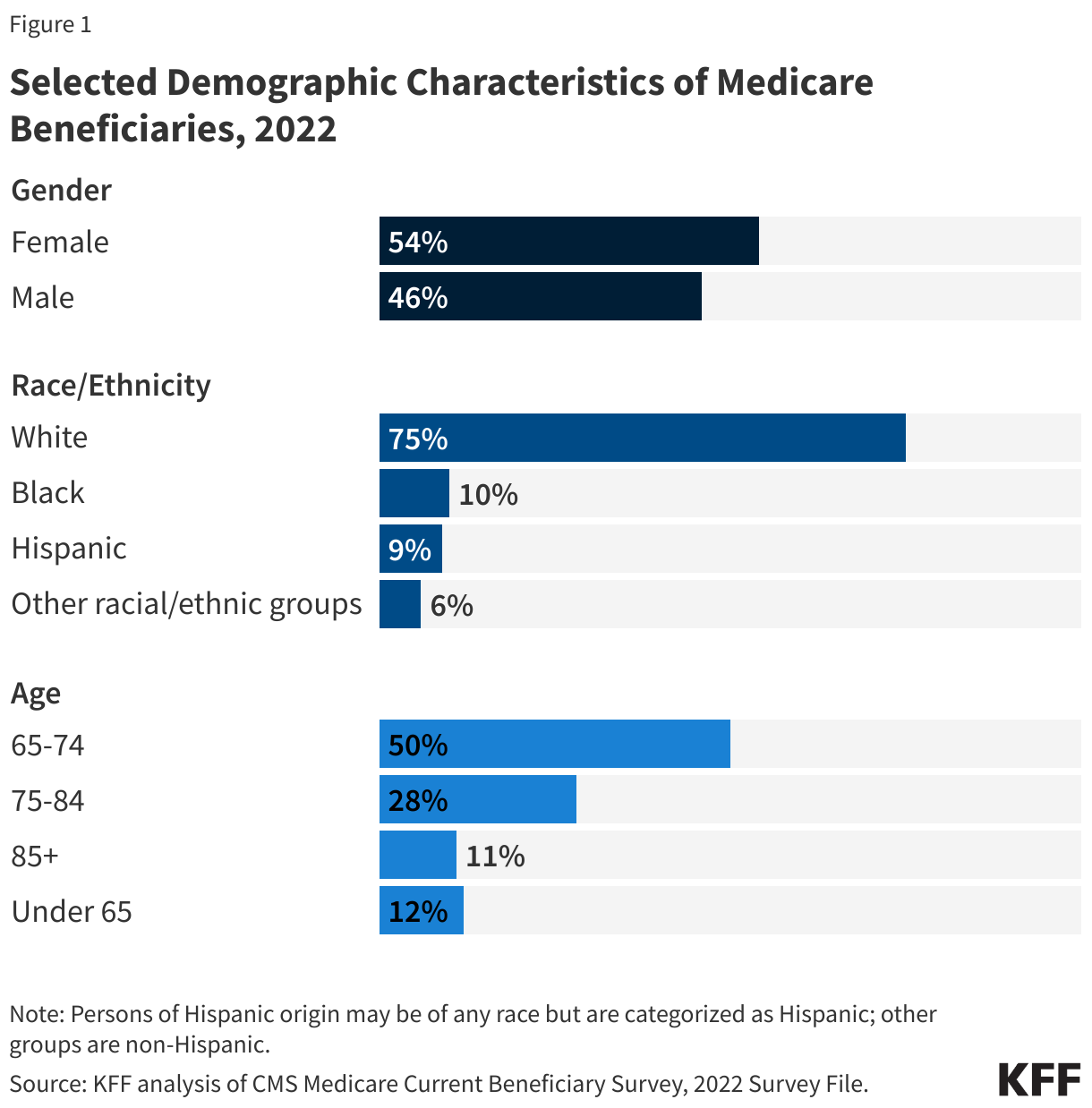
The demographics of the Medicare population are shifting profoundly. As the broader U.S. population ages, the share of adults aged 65 and older is projected to climb from 17 percent in 2022 to nearly a quarter, or 24 percent, of the total population by 2060. Within this older cohort, the proportion of individuals aged 80 and older will surge from 23 percent to 34 percent over the same period. Consequently, total Medicare enrollment is projected to expand by more than a third, climbing from 68 million in 2024 to over 93 million by 2060. Simultaneously, the program is becoming increasingly diverse; people of color are expected to comprise 44 percent of the U.S. population aged 65 and older by 2060, up from a quarter in 2022.
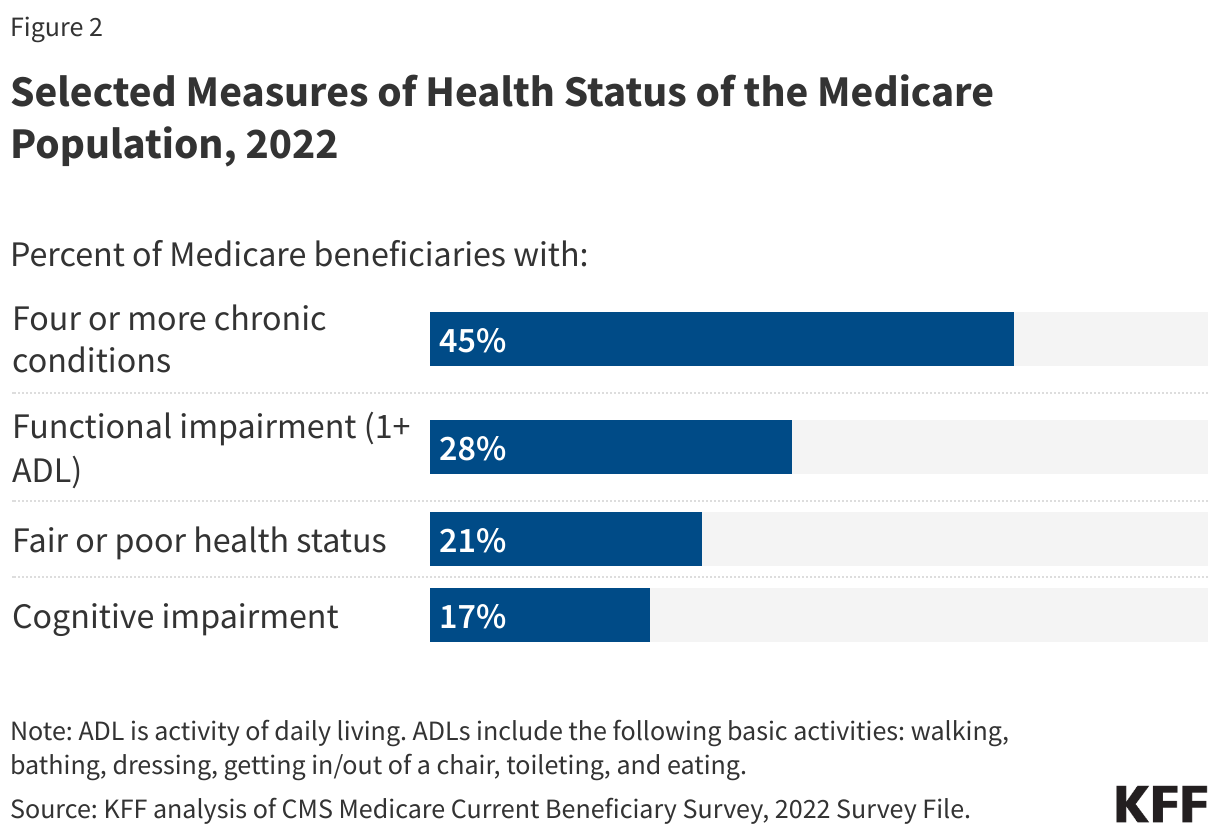
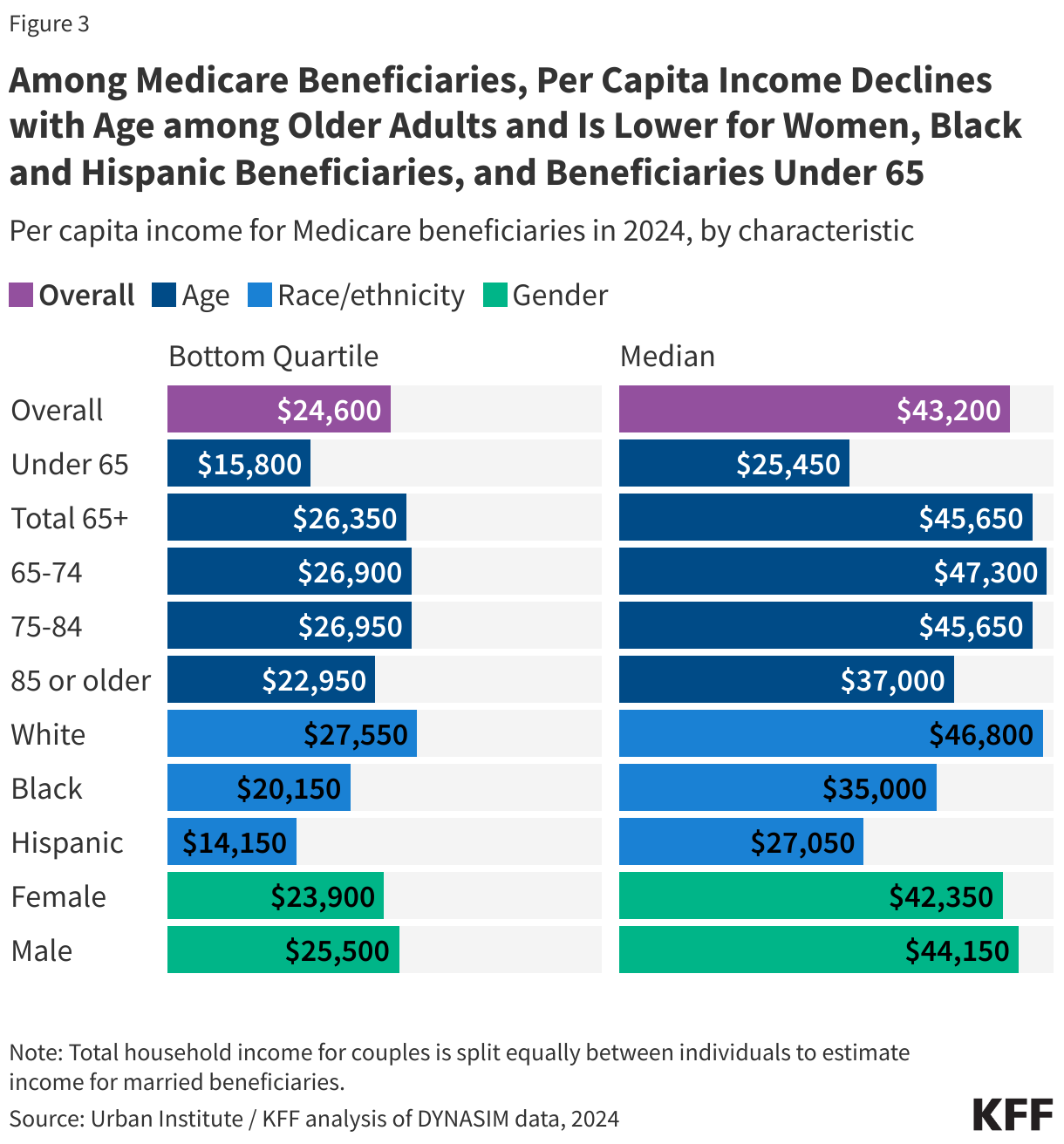
While many beneficiaries maintain robust health, a substantial share lives with complex medical conditions that diminish their quality of life. In 2022, nearly half, or 45 percent, of beneficiaries managed four or more chronic conditions, over a quarter experienced functional limitations in activities of daily living, and 17 percent dealt with cognitive impairments. Financial resources among beneficiaries also remain constrained. In 2024, one in four beneficiaries lived on incomes below $24,600 per person, while half lived on incomes under $43,200. Savings were similarly modest: a quarter of beneficiaries held savings below $18,950 per person, and half had less than $110,100. Economic vulnerability is disproportionately concentrated among women, people of color, and younger beneficiaries with disabilities.
Benefits, Premiums, and Sources of Coverage
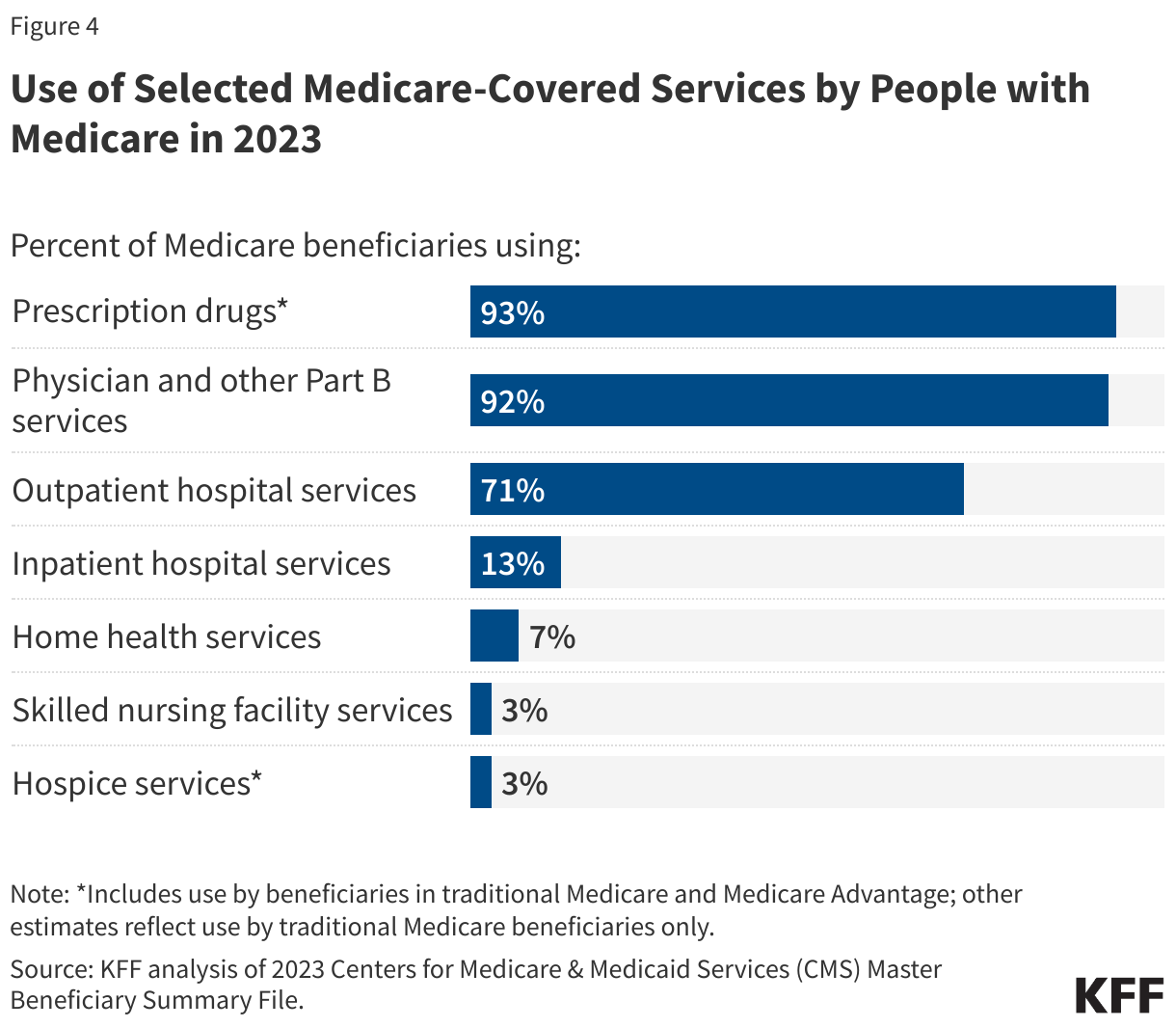
Medicare provides a comprehensive safety net through its structured parts, covering hospital stays, physician visits, and outpatient prescription drugs. Despite this breadth, traditional Medicare excludes long-term care services, routine dental care, vision exams, and hearing aids, though many private Medicare Advantage plans have stepped in to offer supplemental coverage for these extra services. Beneficiaries face varying premiums, deductibles, and cost-sharing obligations that adjust annually to reflect program cost fluctuations.
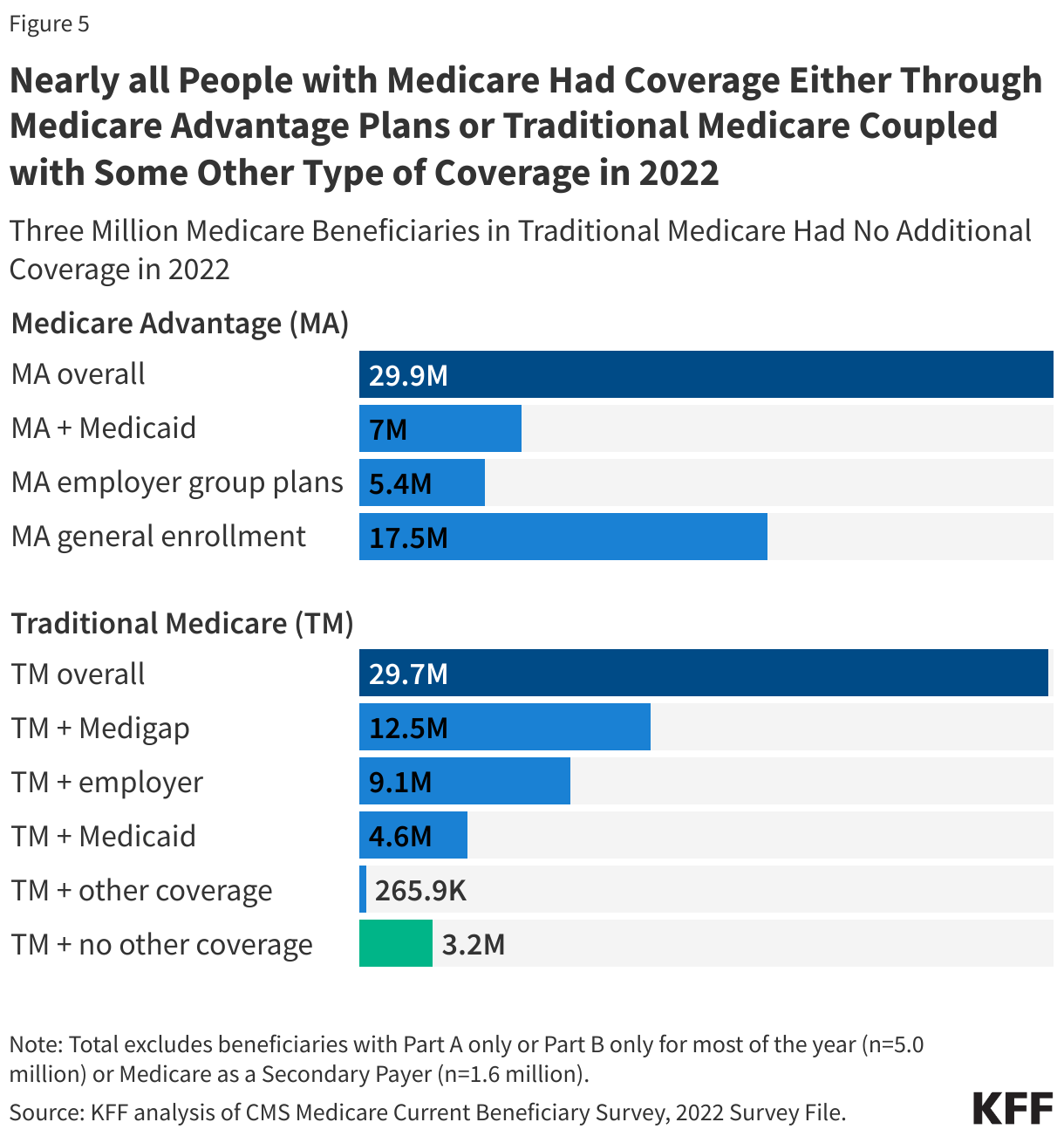
To protect against catastrophic financial losses, nearly all beneficiaries secure supplemental coverage. While many pair traditional Medicare with employer-sponsored retiree plans, Medigap policies, or Medicaid, millions transition fully into Medicare Advantage. However, a KFF analysis of the 2022 Medicare Current Beneficiary Survey revealed that roughly 3.2 million beneficiaries maintain no additional coverage, leaving them vulnerable to exorbitant out-of-pocket expenses or forcing them to forgo necessary medical care due to cost barriers.
The Rise of Medicare Advantage and Structural Differences
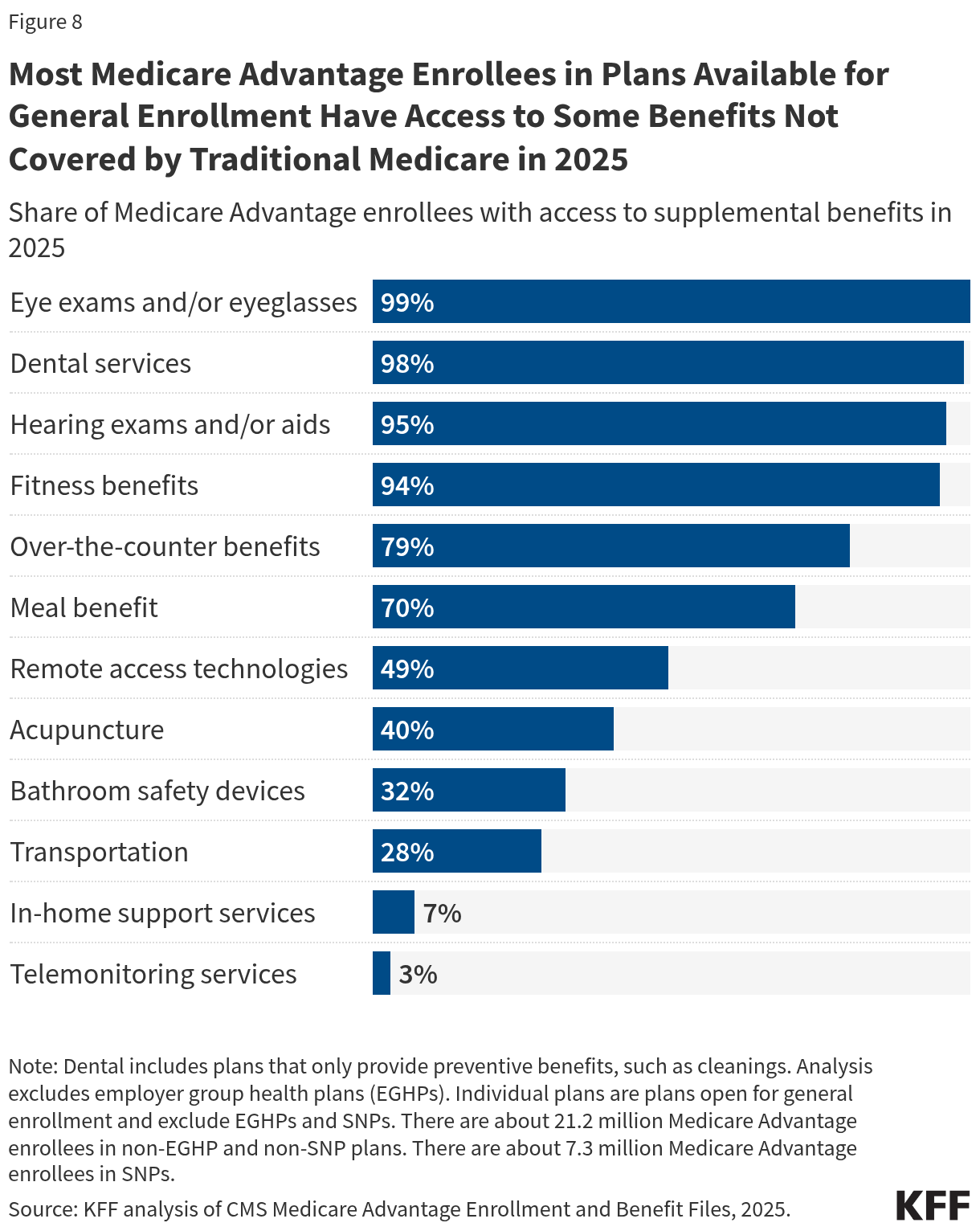
Medicare Advantage, or Part C, allows beneficiaries to receive their federal benefits through private health maintenance organizations or preferred provider organizations. Private insurers contract with the federal government to administer Part A, Part B, and frequently Part D benefits. Virtually all Medicare Advantage plans include an out-of-pocket spending limit and offer extra benefits such as vision, dental, and hearing coverage that traditional Medicare omits. In 2025, the average beneficiary can choose from 34 Medicare Advantage plans offered by eight different insurance companies.
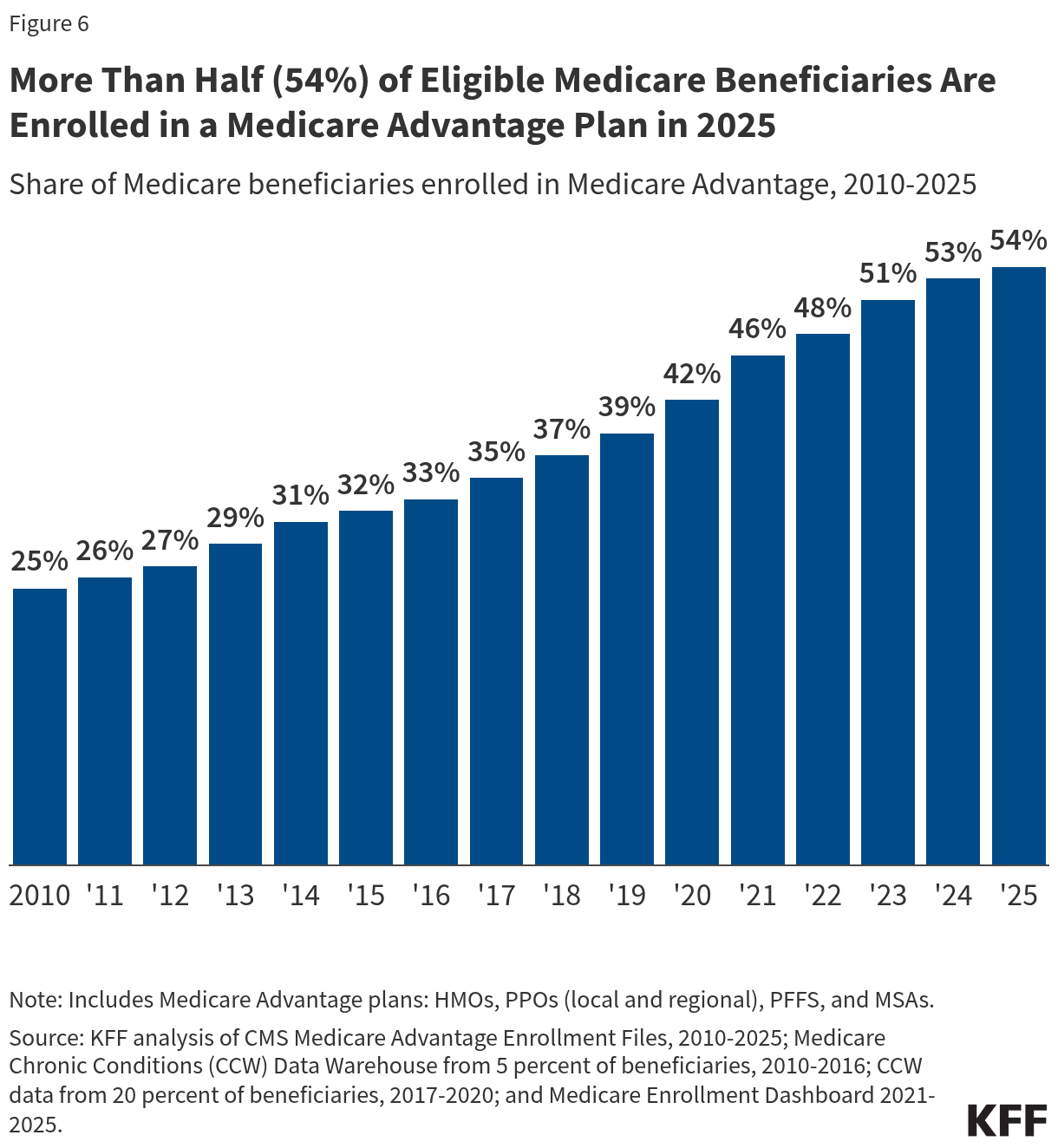
Enrollment in Medicare Advantage has surged dramatically, climbing from 25 percent of eligible beneficiaries in 2010 to 54 percent in 2025. Regional adoption varies wildly, ranging from just 2 percent in Alaska to 63 percent in Alabama and Michigan. This growth is propelled by aggressive insurer marketing, the convenience of consolidated benefits, and the availability of zero-premium plans.
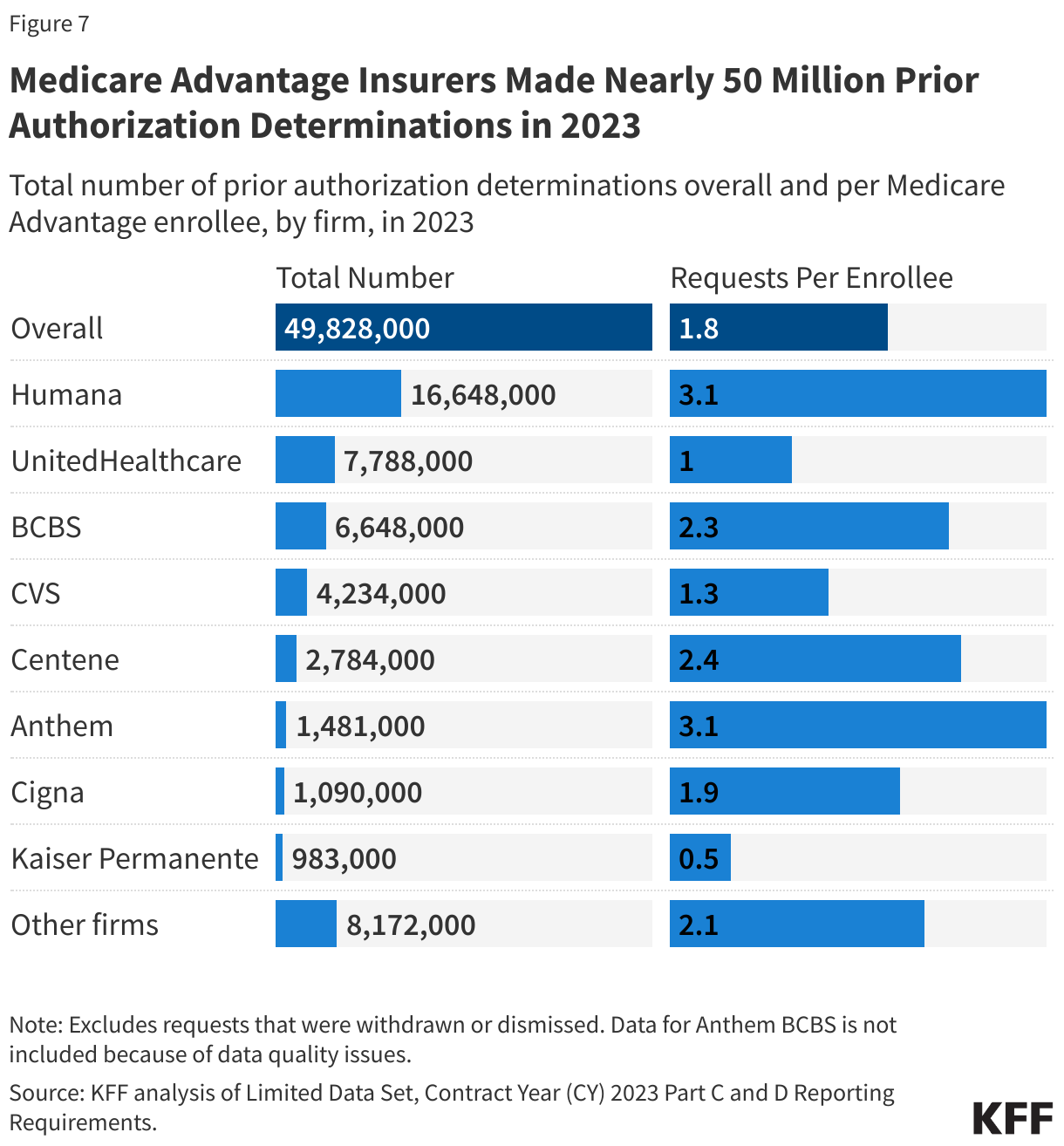
Important operational differences distinguish Medicare Advantage from traditional Medicare. Medicare Advantage plans utilize restrictive provider networks, meaning enrollees seeking out-of-network care frequently face steep cost-sharing penalties or total out-of-pocket liability. In contrast, traditional Medicare beneficiaries can visit any doctor or hospital that accepts Medicare. Furthermore, Medicare Advantage plans routinely deploy utilization management tools, such as prior authorization requirements for high-cost services and specialist referrals. Insurers handled nearly 50 million prior authorization requests in 2023 alone, a hurdle rarely encountered in traditional Medicare.
The Evolution of the Medicare Part D Prescription Drug Benefit
Established by the Medicare Modernization Act of 2003, the voluntary Part D outpatient prescription drug benefit transformed coverage by allowing private insurers to deliver drug benefits. Today, 54.8 million people are enrolled in Part D plans, with nearly six in 10 participating through Medicare Advantage drug plans. More than 13 million low-income beneficiaries receive financial assistance through the Part D Low-Income Subsidy Program.
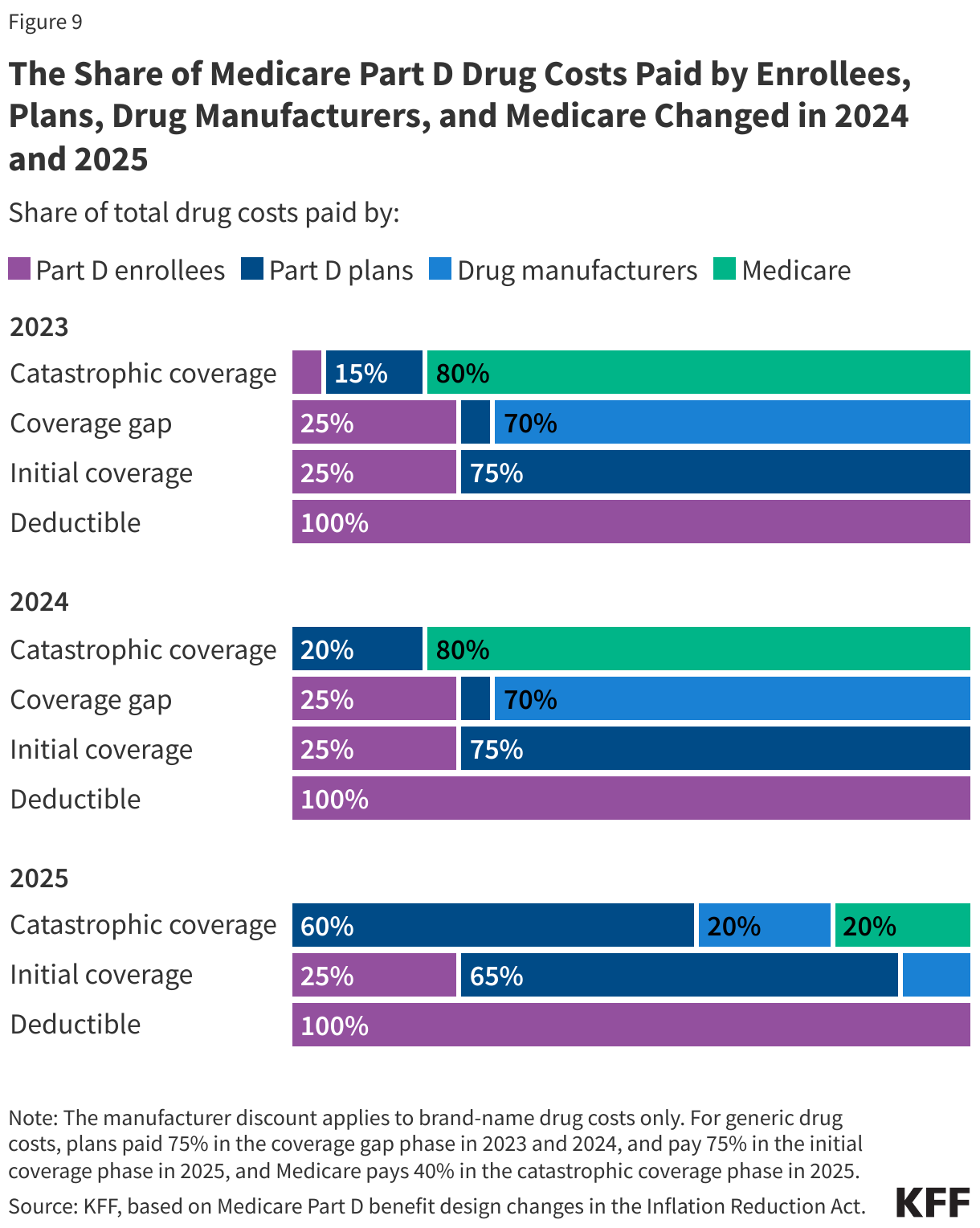
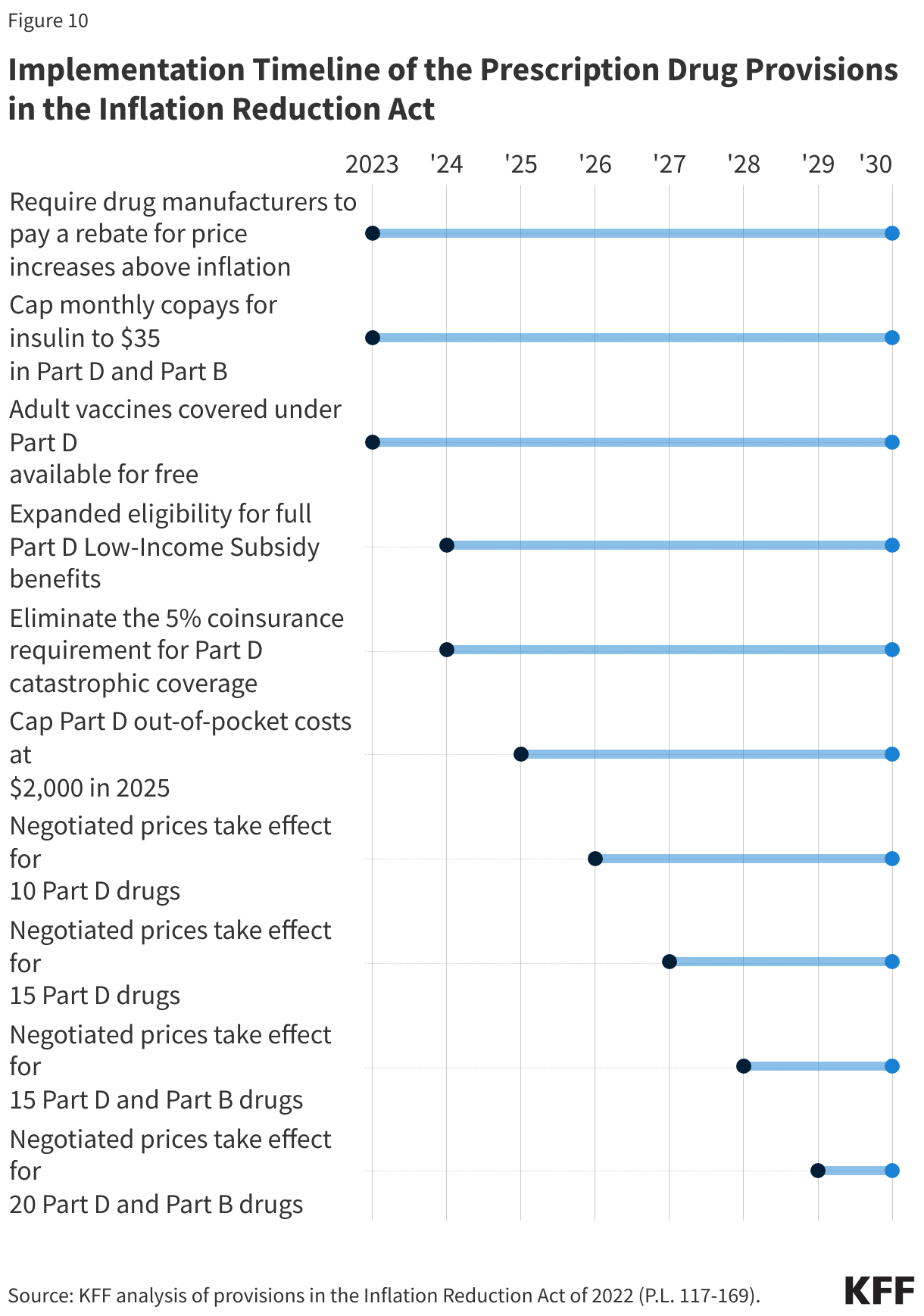
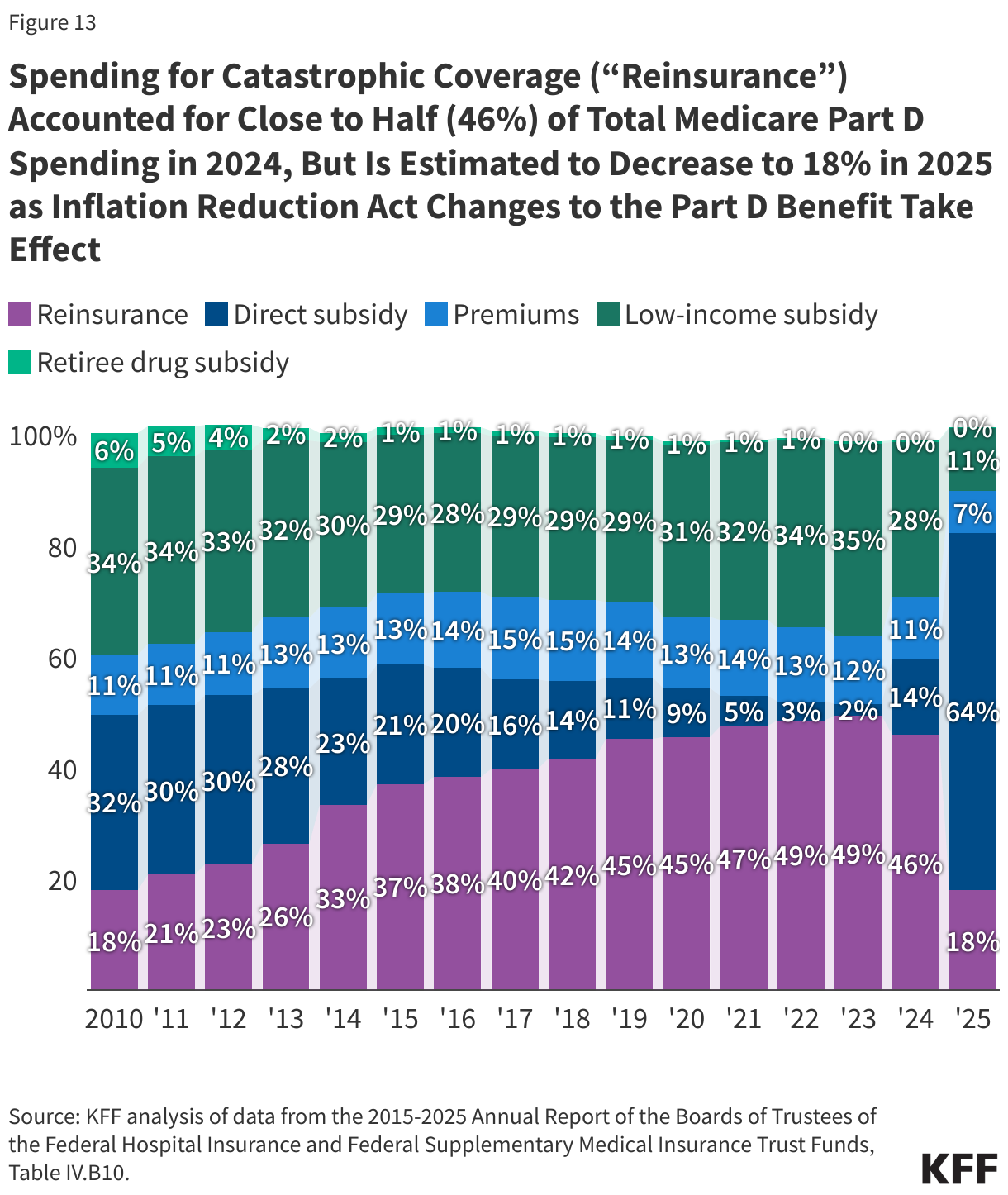
Significant legislative reforms under the Inflation Reduction Act of 2022 have fundamentally reshaped Part D. Most notably, the law instituted a hard $2,000 out-of-pocket spending cap for enrollees in 2025, a change projected to benefit roughly 11 million individuals. The legislation also fundamentally altered cost-sharing responsibilities among enrollees, plans, drug manufacturers, and the federal government, shifting a larger share of catastrophic coverage liability onto private insurers and manufacturers while sharply reducing Medicare’s reinsurance outlays.
Payment Models and Alternative Approaches
Traditional Medicare compensates hospitals, physicians, and other providers primarily through prospective payment systems, pre-determining base rates adjusted for geographic location and patient complexity. Beyond fee-for-service, Medicare increasingly promotes alternative payment models designed to reward quality and care coordination rather than sheer volume of services.
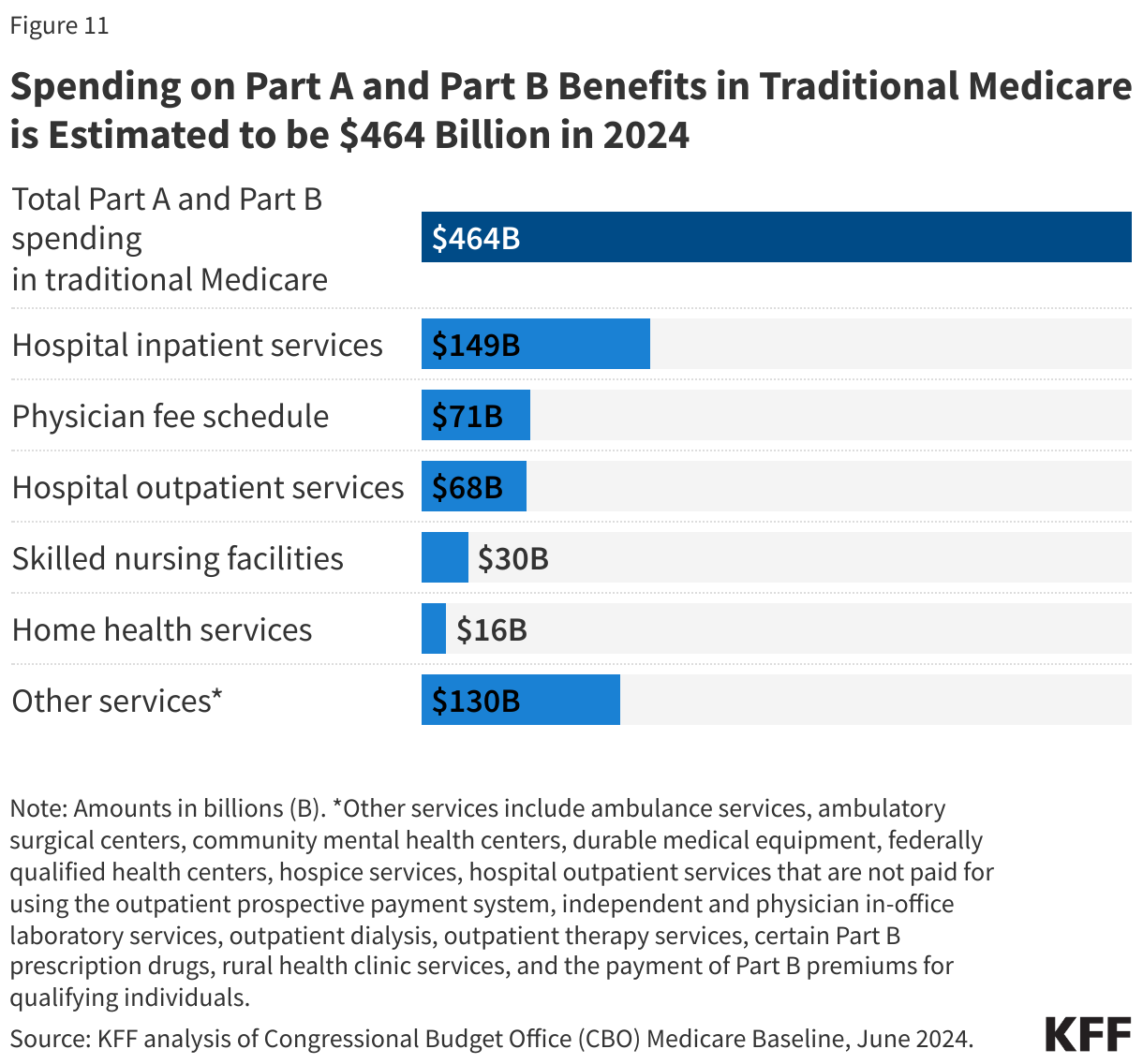
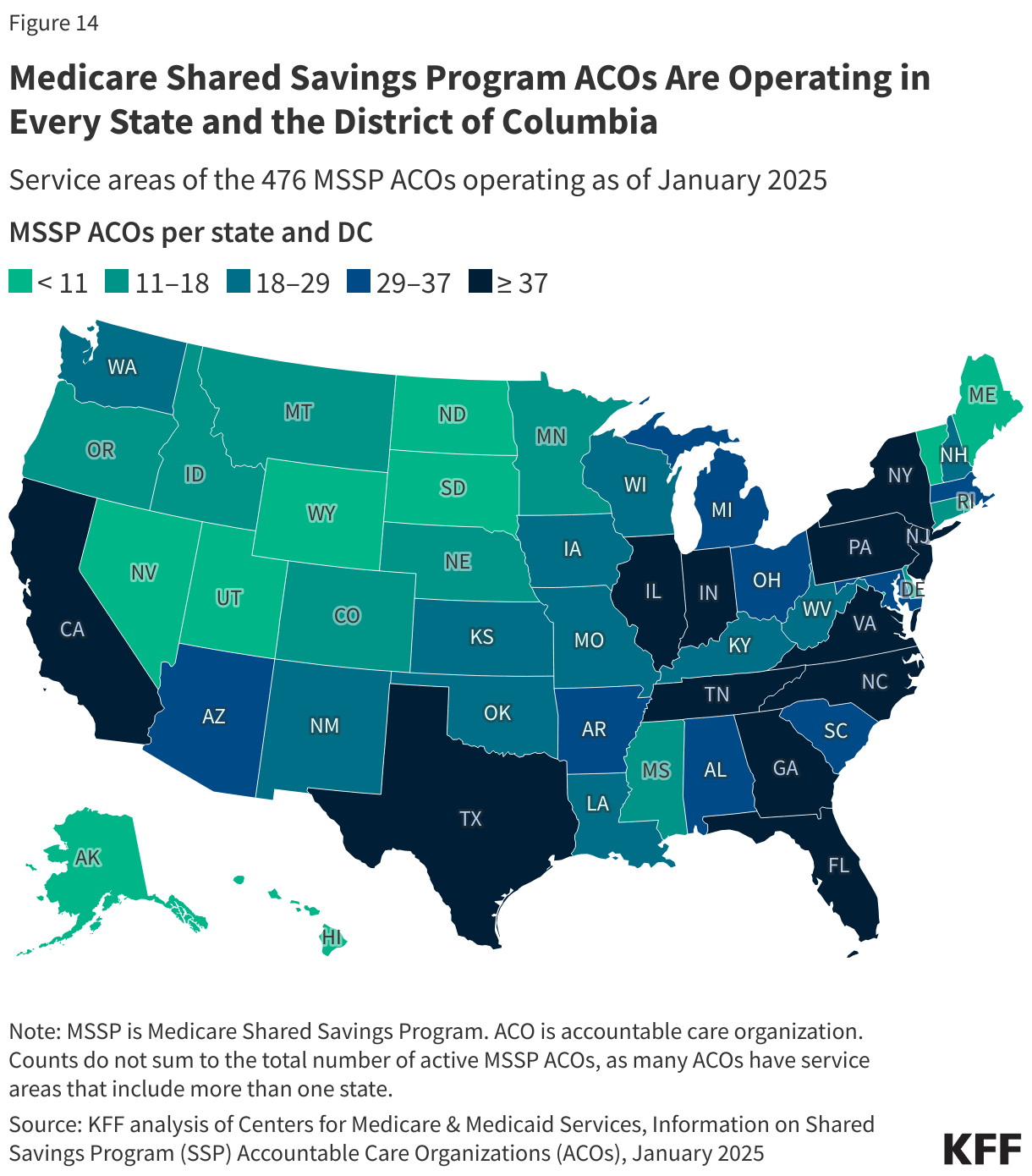
The Medicare Shared Savings Program stands as a prominent example, uniting doctors and hospitals into Accountable Care Organizations that share financial accountability for patient care costs and quality outcomes. In 2023, the program generated an estimated $2.1 billion in savings relative to spending targets. By 2025, the program encompassed 476 ACOs nationwide, engaging over 643,000 clinicians and covering 10.8 million beneficiaries. Meanwhile, the Center for Medicare and Medicaid Innovation continues to test dozens of pilot models aimed at curbing spending growth and enhancing health equity and preventive care delivery.
Spending, Financing, and the Future Outlook
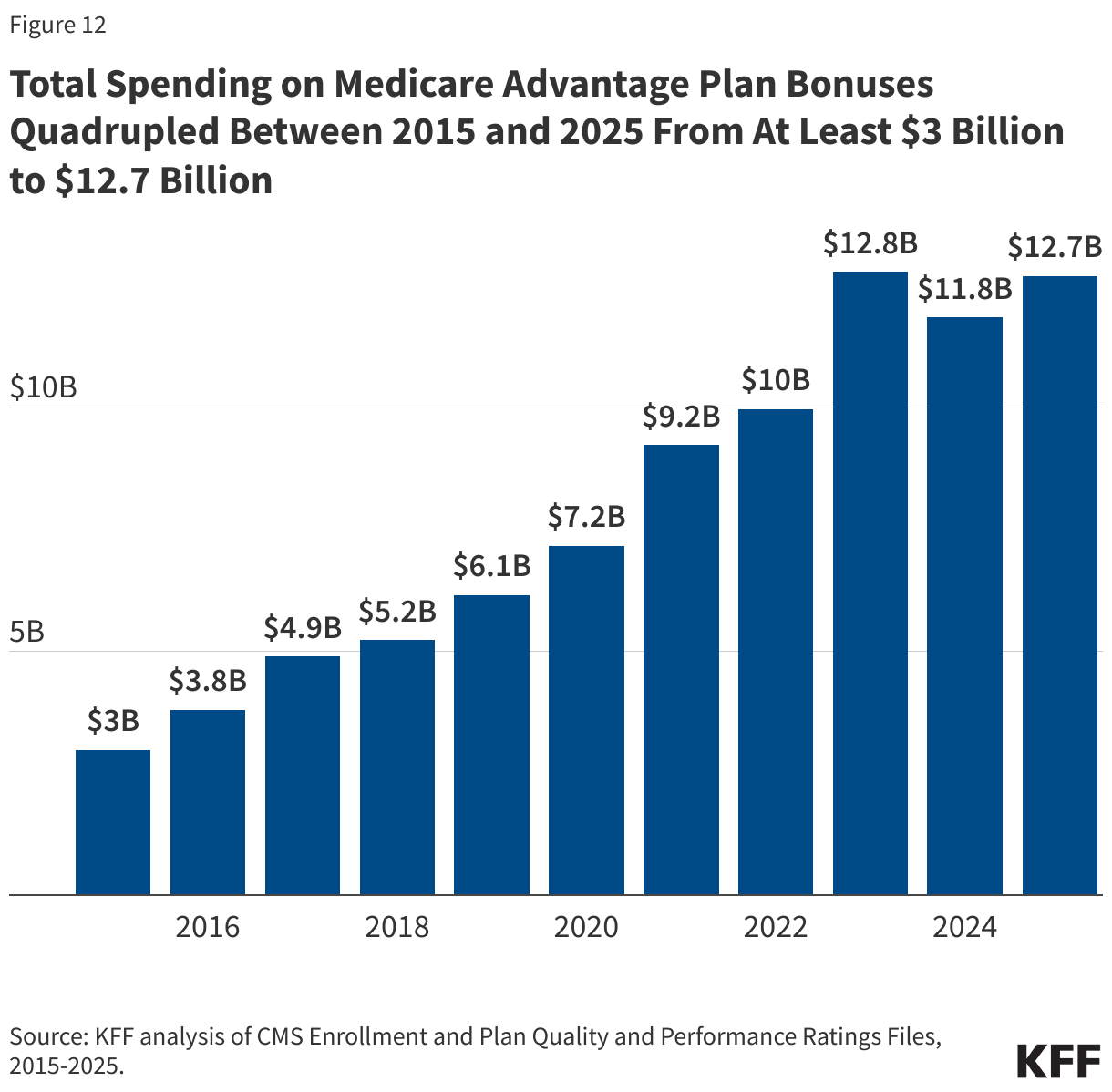
Medicare remains a monumental financial engine within the U.S. economy, consuming $910 billion in net outlays in 2024 and accounting for 13 percent of the federal budget. Funding is derived primarily from government general revenues, payroll taxes, and beneficiary premiums.
The financial health of the program is frequently evaluated through the reserves of the Medicare Hospital Insurance Trust Fund, which finances Part A hospital benefits. In 2025, Medicare actuaries projected that trust fund reserves would be fully depleted in 2033—eight years away and three years earlier than prior estimates—at which point payroll taxes would cover 89 percent of costs in the absence of congressional intervention. Conversely, the Congressional Budget Office projected a later depletion date of 2052 based on differing economic and spending models.
As the baby boom generation continues to age and the ratio of workers to beneficiaries narrows, Medicare faces profound challenges in balancing fiscal sustainability, taxpayer burden, and access to affordable, high-quality medical care for millions of Americans.



